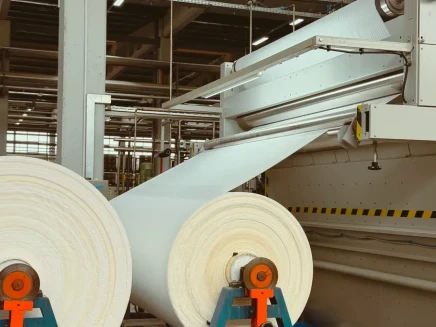
What Is a Foam Slitting Machine and How Does It Work
A foam Slitting Machine is a factory tool that cuts big foam blocks or rolls into thinner sheets or strips. This machine meets the need for exact foam cutting in modern manufacturing. You use it to turn bulky foam into even sizes for many uses. The machine matters because it saves time, keeps cuts accurate, and cuts down on waste. Without it, cutting foam by hand gives uneven results and wastes material. The Polyurethane Processing Machine Market report by Strategic Market Research says the global market for these machines hit USD 6.2 Billion in 2024. That growth shows more demand for foam processing in packaging, insulation, and furniture industries.
Key Takeaways
-
A foam slitting machine slices big foam blocks into thin sheets or strips.
-
The machine uses blades or hot wires to make exact cuts.
-
Automation makes production faster and cuts down on waste.
-
Vertical machines work best with thick blocks, while horizontal machines are made for long rolls.
-
Automatic tension control keeps the quality steady and even.
-
Choose a machine based on your material and how much you produce.
-
Think about all the costs, like upkeep and power usage.
-
A dependable machine from a well-known maker helps you get more work done.
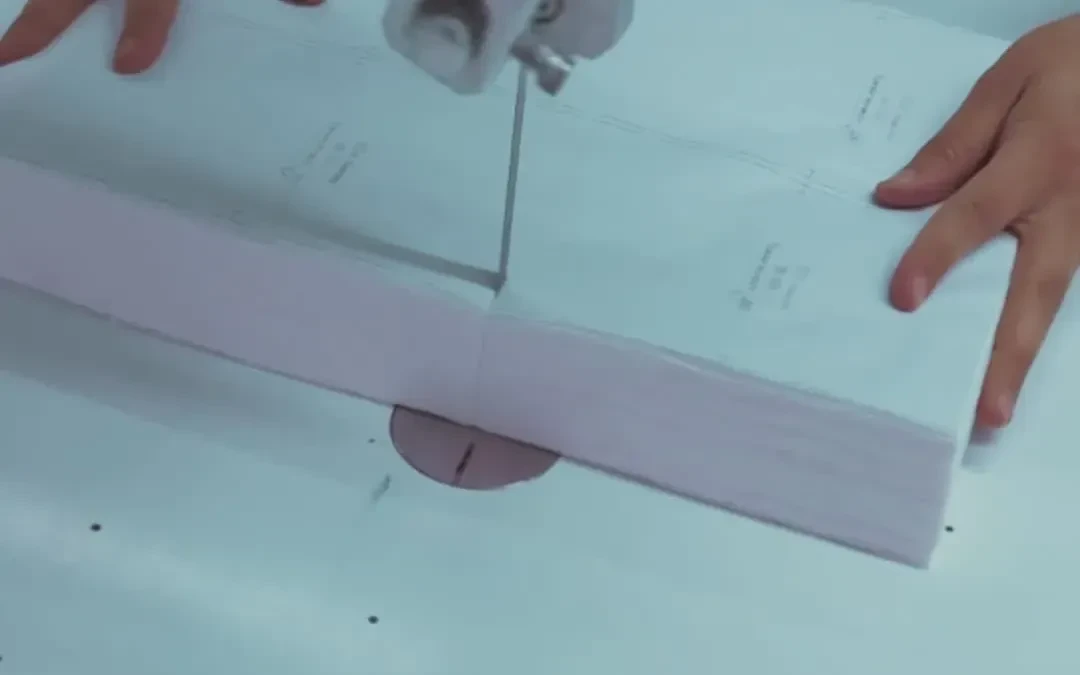
What Is a Foam Slitting Machine
Definition and Core Function
A foam slitting machine takes large, bulky foam buns or rolls and turns them into even sheets or strips. You feed a big block of polyurethane foam into the machine, and it comes out as thin, exact pieces ready for your production line. The main job is simple: change oversized foam into useful sizes without wasting material. Cutting foam by hand with knives or saws gives uneven edges, uneven thickness, and a lot of waste. A slitting machine fixes those problems with controlled, repeatable cuts.
The machine works with many foam types, like polyurethane, polyethylene, and EVA foam. You can change the settings to make sheets as thin as a few millimeters or as thick as several centimeters. This flexibility makes the equipment vital for makers who need different foam sizes for different products. The machine also handles foam rolls, which are long, continuous sheets wrapped around a core. Whether you process blocks or rolls, the slitting machine gives steady results every time.
Key Components and Their Roles
Every foam slitting machine depends on several key parts working together. Knowing these parts helps you see how the machine gets its accuracy and speed.
Cutting Blades and Wire Systems
The cutting part decides the quality of your final product. Most machines use either round blades or hot wire systems. Round blades spin fast and cut through the foam as it moves through the machine. Hot wire systems use a heated wire that melts through the foam, making a smooth, sealed edge. The choice depends on your material and the finish you want.
Blade material matters a lot for performance and how long it lasts. High-Speed Steel (HSS) blades stay very sharp, making them good for general foam tape slitting. Tungsten Carbide blades resist wear well, perfect for high-volume or rough foam materials. Carbide blades are great at cutting metal foils and films. D2 Tool Steel handles plastic, laminated paper, or other rough surfaces. M2 Steel suits tough cuts of softer materials, offering heat resistance and durability at high speeds. You should pick the blade material for your specific job to get the longest blade life and best cut quality.
Feed and Control Mechanisms
The feed system moves the foam through the machine at a set speed. Rollers grip the material and pull it toward the cutting area. Tension control keeps the foam tight during the process, stopping wrinkles or bending. Without proper tension, your cuts become uneven and the material may stretch or tear.
Modern machines have electronic controls that let you set cutting width, speed, and tension exactly. A touchscreen shows all settings, and you can save them for different jobs. This automation cuts setup time and keeps quality steady across production runs. The control system also watches blade position and adjusts it on its own to keep accuracy.
Industries That Rely on Foam Slitting
Many industries depend on foam slitting machines for their daily work. The packaging industry uses foam sheets for protective inserts and cushioning materials. Furniture makers cut foam for seat cushions, armrests, and backrests. The insulation industry uses foam panels for heat and sound insulation in buildings. Car companies use foam for noise reduction and inside parts. Medical device makers cut foam for padding and support products. Each industry needs different foam densities, thicknesses, and sizes, and the slitting machine adjusts to meet those needs.
Cutting tolerance is a key spec across these industries. Industry standards show that normal tolerance ranges from ±1/32 inch to ±0.010 to ±0.031 inch, depending on the use. High-precision work can reach tolerances down to ±0.005 inch. Adhesive-backed foam usually needs tolerances of ±0.015 to ±0.030 inch. You should check the tolerance ability of any machine you look at, because tighter tolerances cut waste and improve product quality.
Foam cutting machines have become essential tools in modern manufacturing. They lower labor costs, improve consistency, and reduce material waste. Whether you run a small shop or a big factory, a reliable slitting machine changes how you process foam. The investment pays for itself through less waste and more output.
How a Slitting Machine Work
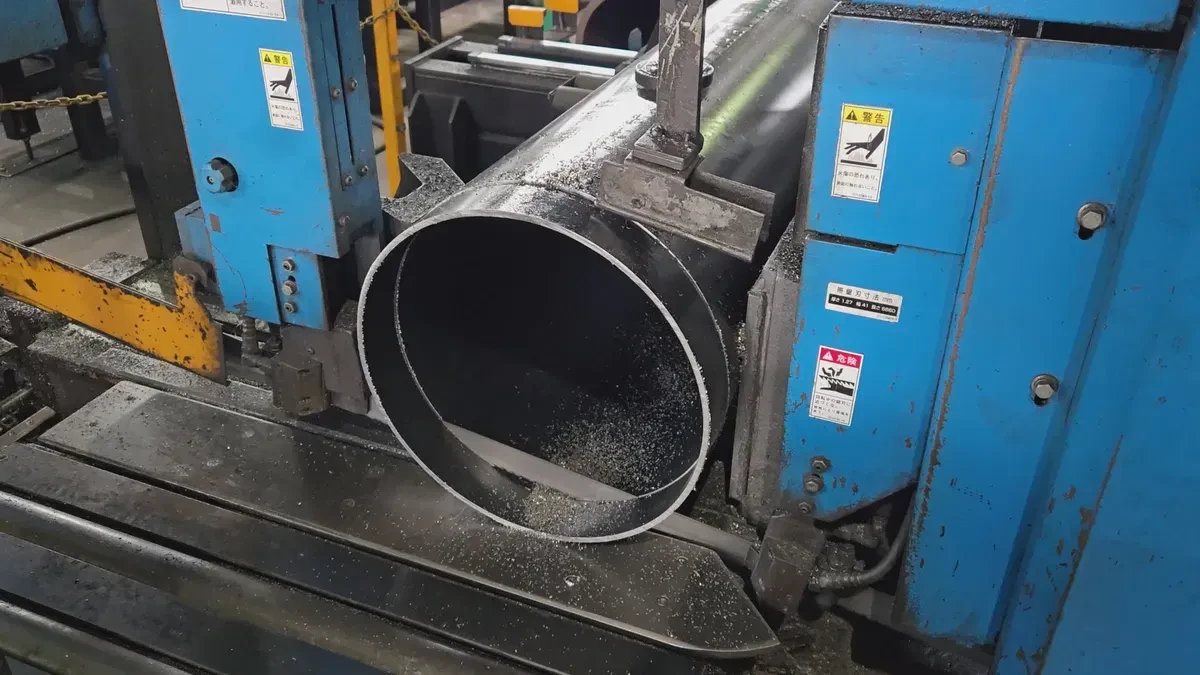
Basic Working Principle
A foam slitting machine works on a simple idea: cutting foam while keeping it under steady tension. You put a big foam block or roll into the machine. The equipment then slices it into thinner, even pieces. The whole process depends on three main steps working together — feeding, tensioning, and cutting.
The feeding system pulls the foam toward the cutting area at a fixed speed. Rollers grip the foam surface and move it forward without slipping. The speed of these rollers controls how fast the foam travels. This speed directly affects the quality of each cut. If the feed speed changes during a run, you get sheets with uneven thickness.
Tension control keeps the foam tight and flat during the whole operation. The machine applies just enough pull to stop wrinkles, folds, or stretching. Too little tension makes the foam bunch up at the cutting point. Too much tension stretches the foam, making sheets that are thinner than you want. Modern machines check tension all the time and adjust it on their own.
The cutting mechanism does the actual work. Round blades spin fast and cut through the foam as it passes. Hot wire systems use a heated element that melts through the foam, creating a smooth sealed edge. The choice between these methods depends on your foam type and the finish you need. Each approach gives clean cuts when the machine keeps the right speed and tension.
Step-by-Step Slitting Process
Knowing the full slitting process helps you run the machine well and fix problems when they happen. Here is how a typical run works from start to finish:
-
Load the material. You put the foam block or roll onto the unwinding shaft. The operator locks it in place and feeds the starting edge through the guide rollers.
-
Set the parameters. You type the desired sheet width, cutting speed, and tension values into the control panel. The machine saves these settings for repeat jobs, so you can call them up with one touch.
-
Start the feed system. The rollers begin pulling the foam toward the cutting station. The tension control system turns on and keeps the correct pull force by itself.
-
Engage the cutting blades. The blades lower into place and start cutting the moving foam. Each blade makes one strip, so the number of blades decides how many pieces you get from one pass.
-
Separate and wind the output. The cut foam sheets move to the rewinding station. Each strip winds onto its own core, making finished rolls ready for your production line.
-
Monitor and adjust. You watch the operation on the touchscreen display. The system tells you about any change in tension, speed, or blade position. That way you can fix problems before they hurt product quality.
The whole cycle runs without stopping. You only stop the machine to change material rolls or switch to a different cutting setup. This non-stop operation is what makes the slitting process much more efficient than cutting by hand.
Role of Automation and Control Systems
Automation turns a basic cutting machine into a precise production tool. The control system manages every factor that affects cut quality. This lets you focus on other tasks. A real case study from a mattress maker in Southeast Asia shows the effect clearly. Upgrading to a carousel foam splitting machine gave a 60% increase in throughput compared to their old manual operation. The same upgrade cut labor costs by 40%. This proves that automation boosts production without needing extra workers.
The benefits of automation go beyond just speed:
-
Automated foam cutting lines process three times more volume per shift than semi-manual setups with the same number of workers. That means a 200% increase in throughput when you switch from manual to automated operations.
-
The control system keeps steady tension throughout the run. This removes the changes that come from human operation.
-
Blade position adjusts on its own. This keeps cuts accurate even as the blades wear down over time.
-
The touchscreen interface stores job profiles. So switching between different foam types or sheet sizes takes seconds instead of minutes.
A modern slitting machine with full automation gives you steady quality across every shift. The system checks itself, catches problems early, and keeps production running smoothly. For any business that processes foam sheets regularly, this level of control directly improves your bottom line through less waste and higher output.
The control system also tracks production data. You can see how much material you processed, how many sheets you made, and where any waste happened. This information helps you improve your processes and find areas to do better. With the right automation, your cutting machine becomes more than a tool — it becomes a source of competitive advantage.
Types of Foam Slitting Machines
Foam slitting machines come in several types, each built for specific production needs. You pick the type based on your material, the shape you need, and how much you produce. Knowing the main categories helps you match the right equipment to your workflow.
Vertical Slitting Machines
A vertical foam cutting machine holds the foam upright while the cutting part moves across it. This design works well for tall blocks that need slicing into vertical sheets. The cutting part travels from top to bottom, making uniform panels in one pass.
The vertical setup excels at handling thick foam buns. You can cut through material up to 1200 mm in height with a standard vertical machine. This makes it great for producing large panels for furniture cushions or mattress cores. The vertical position also saves floor space because the machine footprint stays small.
Most vertical machines use hot wire technology. The wire heats up and melts through the foam, creating a clean, sealed edge. This method makes little debris and leaves a smooth surface that needs no extra finishing. For automotive uses, a vertical foam cutting machine handles detailed designs like dashboard cushions with precision. The hot wire follows complex shapes without tearing or crushing the material.
An automatic vertical foam cutting machine adds programmable controls to this setup. You set the cutting path, speed, and wire temperature through a touchscreen. The machine then repeats the same cut cycle the same way across every batch. This automation reduces operator fatigue and ensures every panel matches the previous one exactly.
Horizontal Slitting Machines
A horizontal foam cutting machine places the foam flat on a conveyor or table. The cutting blade moves across the material from side to side, slicing it into horizontal layers. This setup suits long, continuous rolls and wide sheets that need even thickness.
Horizontal machines typically use oscillating blades or band saws rather than hot wires. These blades cut through the foam quickly, giving you a major speed advantage for high-demand production. If you process large volumes daily, a horizontal setup keeps your line moving without delays.
The edge quality differs from hot wire cutting. Blades produce smoother results on large sections, though the edges may show slight roughness compared to a sealed hot wire cut. For construction materials where you cut large sheets to exact sizes, this trade-off rarely matters. The speed and output outweigh the small edge differences.
An automatic horizontal foam cutting machine handles wide rolls of foam well. You load the roll onto the unwinding shaft, set the desired sheet thickness, and let the machine work. The blade adjusts on its own to keep even thickness across the entire width. This makes the horizontal setup the top choice for packaging companies that produce protective sheets in bulk.
|
Aspect |
Vertical Foam Cutting Machine |
Horizontal Foam Cutting Machine |
|---|---|---|
|
Cutting Method |
Hot wire (melts through foam) |
Blade or band saw (oscillating blades) |
|
Edge Quality |
Clean edges, sealed, little debris |
Smoother on large sections, but may be less clean than hot wire |
|
Operating Speed |
Not highlighted as main advantage |
Major speed advantage for high-demand production |
|
Typical Application |
Automotive (e.g., dashboard cushions with detailed designs) |
Construction materials (large sheets cut evenly to sizes) |
CNC and Hot Wire Cutting Systems
CNC systems bring computer control to foam cutting machines. You program the cutting path into the machine, and it follows that path on its own. This opens up options for complex shapes that manual machines cannot make.
CNC hot wire cutting works best with certain foam types. Expanded Polystyrene (EPS) has low density between 15-30 kg/m³, making it cheap and common in packaging and insulation. It cuts cleanly with a hot wire and stays recyclable. Extruded Polystyrene (XPS) has a more even structure with smaller air pockets. You often see it colored pink, blue, or green, and it works well for demonstration panels and architectural models.
These systems excel at making custom shapes. You can cut tapered pieces, angled panels, or three-dimensional forms with repeatable accuracy. The computer controls the wire path precisely, so every piece matches the digital design. This ability proves valuable for custom packaging inserts, architectural elements, and specialty insulation parts.
Sanhui Machinery offers slitting solutions that handle various materials beyond foam. Their slitting machine range covers paper, plastic film, aluminum foil, and non-woven fabrics. This flexibility means you can invest in one machine that serves multiple production lines. The advanced tension control and precision blades ensure steady quality across all material types.
Vertical vs. Horizontal Slitting
Picking between a vertical and horizontal setup changes how your whole production line works. Each design is best at different things, and the right choice depends on your material, how much you need to make, and how much room you have. Knowing these differences helps you spend your money well.
Speed and Cutting Precision
Speed works differently in the two designs. A vertical foam cutting machine can run from 0 to 30 meters per minute. A horizontal foam cutting machine runs from 5 to 30 meters per minute. Both have the same top speed, but the vertical one gives you better control at slow speeds. You can slow it down almost to a stop for careful cuts. The horizontal machine cannot go slower than 5 meters per minute, so it is not good for very soft or fragile foam.
Precision is similar. Vertical machines use hot wire technology that melts through the foam. This makes clean, sealed edges with very little waste. The wire moves in a straight line, so each sheet has the same thickness. Horizontal machines use moving blades that cut faster but may leave edges that are a bit rough. For jobs where edge finish matters, like visible cushioning in furniture, the vertical design is better. For bulk production where speed matters more than edge quality, the horizontal design works better.
|
Machine Type |
Cutting Speed Range (m/min) |
|---|---|
|
Vertical |
0 - 30 |
|
Horizontal |
5 - 30 |
Material Handling and Flexibility
Large foam blocks are handled differently by each machine type. A hot-wire CNC system can handle blocks up to 150 inches in one pass. It processes whole sheets without moving them, which saves a lot of time. The automation cuts down on manual adjustments, so you do less work guiding the material. Circular cutting systems use vacuum technology to hold foam in place during cutting. This stops movement and keeps cuts accurate even on slippery surfaces.
A vertical blade system cuts accurately but has trouble with soft foam. The blade presses down on the material as it cuts, which can change the final shape. A rail-mounted system helps keep things aligned, but the pressing problem stays. If you work with high-density foam, this is less of an issue. If you cut soft, low-density foam often, you should think about a horizontal or CNC option instead.
Your material type also affects flexibility. Vertical machines handle thick buns well, making them great for furniture panels. Horizontal machines are best with long rolls and wide sheets, which suits packaging work. Some makers, like Sanhui Machinery, offer slitting machines that handle many materials beyond foam. This flexibility lets you use one machine for paper, film, and foam, getting the most from your equipment investment.
Space and Cost Considerations
Floor space needs are very different between the two designs. A vertical foam cutting machine takes up less room because the foam stands upright during cutting. This saves valuable floor area in smaller workshops. A horizontal machine needs more space for the conveyor and blade assembly. You should measure your available area before you decide.
Cost also differs between the two types. Entry-level horizontal machines start around $8,000, while vertical models begin near $6,000. Mid-range options cost between $15,000 and $30,000 for horizontal units and $12,000 to $25,000 for vertical ones. High-end industrial models go over $50,000 for horizontal and $40,000 for vertical setups. The price gap grows at the top end, where horizontal machines cost over $10,000 more.
An automatic vertical foam cutting machine gives the best value for small to medium operations. It combines precision with a lower starting price. An automatic horizontal foam cutting machine suits high-volume producers who need maximum output. Your production volume and budget should guide this choice. A smaller operation benefits from the lower cost and compact size of a vertical unit. A larger facility gains more from the speed and capacity of a horizontal system.
Automatic Foam Cutting Machine Benefits
Improved Efficiency and Throughput
Switching from manual work to an automatic foam cutting machine boosts your output by a lot. A manual vertical cutter makes only 3 to 5 cuts per hour. A semi-automatic horizontal cutter reaches 20 to 30 sheets per hour. A fully automatic block cutting line produces over 100 sheets per hour. Sheet cutting automation pushes that number past 200 sheets per hour. That means you can process more than 40 times the volume with the same number of workers.
The speed gain comes from several factors. The automatic foam cutting machine feeds material continuously without stopping. You do not need to pause between cuts to reposition the material. The system handles the entire cycle from loading to winding. This non-stop operation lets you run production through multiple shifts without extra labor costs.
A vertical foam cutting machine works well for thick blocks. A horizontal foam cutting machine handles long rolls efficiently. If you need automated handling, an automatic vertical foam cutting machine saves even more time. An automatic horizontal foam cutting machine suits high-volume sheet production. Each type delivers the same benefit of higher throughput.
Consistent Quality and Reduced Waste
Automatic tension control makes a big difference in output quality. The system provides:
-
Uniform tension that prevents slack or overstretching during the process
-
Prevention of errors such as crooked cuts or uneven edges
-
Precision slicing that ensures dimensional accuracy, especially for thin materials
-
Improved roll quality through tension control that maintains alignment and clean edges
-
Consistent speed control that helps maintain edge quality and roll density during long production runs
These benefits mean you produce fewer rejects and less scrap. Foam cutting machines with automatic tension control give you consistent results across every batch. You can trust that each sheet matches the specifications exactly. This consistency reduces waste and saves material costs over time. A reliable cutting machine delivers these results shift after shift.
Sanhui's Slitting Machine for Reliable Performance
Sanhui Machinery offers a slitting machine that delivers these automation benefits. The unit features PLC controls and a touch screen interface. You set the parameters and the system handles the rest. The full-automatic closed-loop tension control keeps constant tension throughout the process. This prevents material deviation, wrinkling, or deformation. The EPC edge correction device makes sure the material runs straight.
The unit handles a wide range of materials beyond standard types. You can process paper, plastic film, aluminum foil, and non-woven fabrics. This versatility makes it a valuable investment for manufacturers who work with multiple materials. The slitting machine achieves speeds up to 800 meters per minute with slitting accuracy of ±0.1 mm. The automatic foam cutting machine from Sanhui includes advanced features that boost your productivity.
An automatic foam cutting machine like Sanhui's model also includes safety features and emergency stop devices. The modular design makes maintenance easy. You get a 1-year warranty on the unit and 2 years on core components. This support ensures your investment stays productive for years. Foam cutting machines from Sanhui give you the reliability you need for consistent output. This cutting machine supports both small-batch and large-scale production needs.
Choosing the Right Foam Slitting Machine
Assessing Production Volume and Material Type
Your production volume drives the first major decision. A small workshop that cuts a few foam blocks daily needs a different machine than a factory producing hundreds of sheets per shift. Match the equipment to your actual output, not your future goals. Overbuying wastes capital. Underbuying creates bottlenecks that slow your entire operation.
Material type matters just as much. Different foam densities, sizes, and compositions respond differently to cutting methods. Soft, low-density foam may compress under blade pressure. High-density foam requires more powerful cutting systems. You should test your specific material on any machine you consider. This testing confirms the cut quality and shows you the real production speed.
For a medium-scale facility producing 10 to 50 mattresses per day, a horizontal band saw with automation fits well. This setup handles consistent volume without the high cost of a fully automated line. The investment range sits between $60,000 and $90,000, with a return on investment timeline of 18 to 24 months. These figures give you a concrete benchmark when you compare options.
Evaluating Machine Specifications and Automation
Machine specifications tell you what the equipment can actually do. Look at cutting width, maximum block height, and blade speed. Check the tolerance rating. A machine with tighter tolerances produces less waste and better product quality. You should also examine the control system. A user-friendly interface reduces training time and operator errors.
Automation levels vary widely across foam cutting machines. Basic models require manual adjustments between cuts. Semi-automatic units handle some steps on their own. Fully automatic systems manage the entire cycle from feeding to winding. Each step up in automation increases throughput but also raises the purchase price. You must weigh this trade-off against your labor costs and production targets.
An automatic horizontal foam cutting machine suits high-volume operations that need consistent output. The automation maintains steady tension and blade position without operator input. This consistency reduces rejects and keeps quality uniform across every batch. For businesses that run multiple shifts, this reliability directly improves profitability.
Budget, Space, and Maintenance Considerations
Your budget extends beyond the purchase price. You must account for operating costs, including power consumption, blade replacements, and routine maintenance. Medium-sized foam cutting machines typically consume between 1,500 watts and 3,000 watts of power. This range helps you estimate monthly energy expenses and check whether your electrical infrastructure can support the equipment.
Floor space constraints affect your choice as well. Vertical machines take up less room because the foam stands upright during cutting. Horizontal machines need more space for the conveyor and blade assembly. Measure your available area before you commit to a specific model. Remember to leave room for material storage and operator movement around the machine.
Maintenance requirements differ between machine types. Hot wire systems need periodic wire replacement. Blade systems require sharpening or replacement as they wear. Check the manufacturer's recommended service intervals and parts availability. A machine with readily available spare parts minimizes downtime when something fails.
Consider these key factors when you evaluate any slitting machine:
-
Material Compatibility: Match the machine to your specific foam density, size, and composition.
-
Production Volume: High-volume operations need continuous-operation machines with automation.
-
Machine Size & Capacity: Ensure the maximum block size aligns with your production needs and floor space.
-
Total Cost of Ownership: Include power, maintenance, blade replacements, and downtime costs.
-
Automation & Integration: User-friendly interfaces integrate better with digital workflows.
-
Manufacturer Support: Reliable after-sales support and spare parts availability minimize disruptions.
These factors form a complete framework for your decision. The right slitting machine balances upfront cost against long-term efficiency. A reliable cutting machine from a trusted manufacturer like Sanhui Machinery delivers consistent performance for years. Take time to evaluate your needs honestly, and you will find the equipment that fits your operation.
Foam slitting machines turn bulky foam into precise sheets and strips for packaging, furniture, and insulation. You can choose vertical, horizontal, or automated systems based on your production needs. An automatic foam cutting machine delivers the greatest benefits: higher throughput, consistent quality, and less material waste. Precision cutting reduces rejects and saves money over time. Foam cutting machines with automation also lower labor costs and improve safety. Before you buy, evaluate your production volume, material type, and floor space. A reliable cutting machine from a trusted manufacturer makes a lasting difference. Sanhui Machinery offers advanced slitting solutions with strong support. Explore their product range or contact them for a quote today.
FAQ
What is the main difference between a vertical and a horizontal foam slitting machine?
A vertical machine cuts tall foam blocks with a hot wire. This makes clean, sealed edges. A horizontal machine cuts wide rolls or sheets using blades. This method is faster for making a lot of product.
What materials can you process with a slitting machine?
You can process polyurethane, polyethylene, and EVA foam. Sanhui's slitting machine also handles paper, plastic film, aluminum foil, and non-woven fabrics. This flexibility makes it a useful tool for many industries.
How does an automatic foam cutting machine reduce waste?
It uses automatic tension control to stop wrinkles and stretching. Precise blades cut with an accuracy of ±0.1 mm. This consistency ensures every sheet meets the required size, reducing waste and rejects.
What is the slitting accuracy of a high-quality slitter rewinder?
A high-quality slitter rewinder can cut with an accuracy of up to ±0.1 mm. The rewinding end face flatness is ≤0.5 mm. This precision is important for making uniform rolls for the next steps.
What safety features do foam cutting machines include?
Look for safety protection systems and emergency stop devices. These features protect workers during high-speed operation. Foam cutting machines from Sanhui include these safety parts as standard.
How do you choose the right blade material for your cutting machine?
The blade material depends on your foam type. High-Speed Steel (HSS) blades stay sharp for general use. Tungsten Carbide blades resist wear for rough materials. Choose the material that fits your job.
What is the warranty period for Sanhui's slitting machine?
Sanhui offers a 1-year warranty for the whole machine and a 2-year warranty for main parts. This coverage keeps your investment working and gives you support if problems happen.
Can a slitting machine handle custom widths?
Yes. You can set the desired sheet width on the control panel. The machine can cut strips as narrow as 10 mm. You can save job profiles for different widths, making setup quick and easy.