How Does a Carbon Fiber Slitting Machine Work?
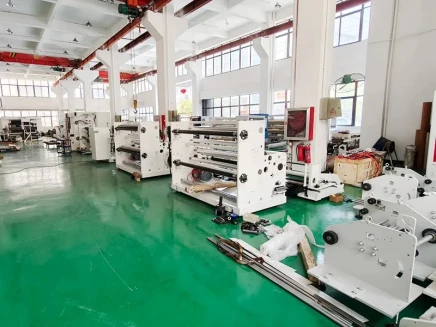
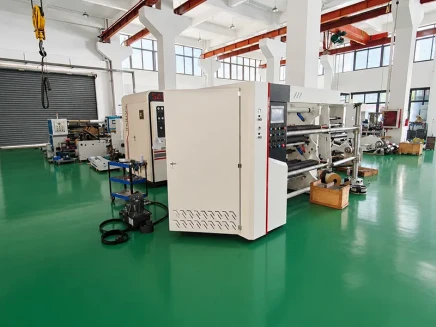
A carbon fiber Slitting Machine uses sharp round blades and careful tension to cut wide rolls of carbon fabric or prepreg into narrow strips. This process turns big master rolls into finished rolls for fields like aerospace, automotive, and wind energy. Demand in aerospace grows 7.4% each year, and automotive grows 8.9%, so efficient slitting is needed more than ever. Modern machines are very precise, with shear slitting keeping a tolerance of ±0.1 mm. This article covers the main parts, step-by-step operation, and key technologies behind that accuracy. You will also learn about important safety features and useful maintenance tips.
Key Takeaways
-
Rotary shear blades cut carbon fiber with ±0.1mm accuracy for clean edges.
-
Three main systems—unwinding, slitting, rewinding—work together under tension control.
-
Automated slitting improves consistency, reduces labor needed, and cuts down on material waste.
-
Replace blades every 4 to 10 days and clean them daily to keep the machine running well.
-
Safety features, such as emergency stops and light curtains, keep you safe from dust and blades.
-
Closed-loop tension control and edge sensors make sure every strip meets the required specs.
-
One machine handles many materials, from prepreg to dry fiber, for multiple industries.
-
Diamond-coated blades with a 30-degree angle last longer and cut rough carbon fiber cleanly.
Core Components of a Carbon Fiber Slitting Machine
Every carbon fiber slitting machine depends on three main systems that work together. You need the unwinding system to feed material, the slitting head to cut it, and the rewinding section to collect finished strips. Each part has a specific job in making clean, accurate cuts.
Unwinding System
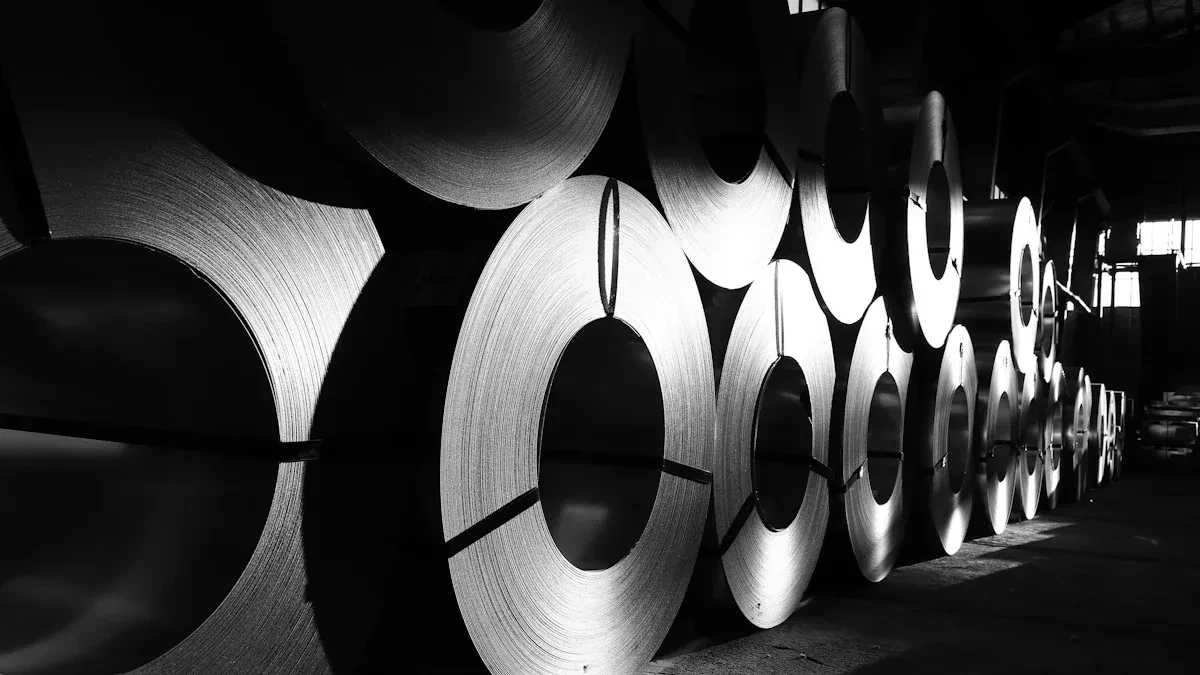
The unwinding system holds the master roll and feeds material into the machine at a set speed. This system must handle heavy rolls without wobbling or causing sudden tension changes. Heavy-duty models from makers like Sanhui Machinery can handle unwinding diameters up to 1600mm and loads over 3000kg. That capacity matters because carbon fiber prepreg rolls are dense and heavy.
Shaft and Brake Controls
The shaft holds the master roll firmly in place. You need a shaft that grips the core tightly to stop slippage during operation. Most machines use pneumatic or mechanical expanding shafts that lock onto the roll core. The brake system controls the unwinding speed and keeps back tension steady. When the machine slows down or stops, the brake engages to stop the roll from spinning freely. This control keeps material from loosening or wrinkling as it enters the slitting section.
Edge Guiding and Tension Sensing
Carbon fiber tape can drift sideways during unwinding. Edge guiding sensors detect this movement and adjust the roll position automatically. These sensors use ultrasonic or optical technology to track the material edge. Tension sensing rollers measure the force on the material as it unwinds. You need steady tension to prevent stretching or deformation of the carbon fibers. If tension changes, the final strips may have uneven widths or damaged edges.
Slitting Head
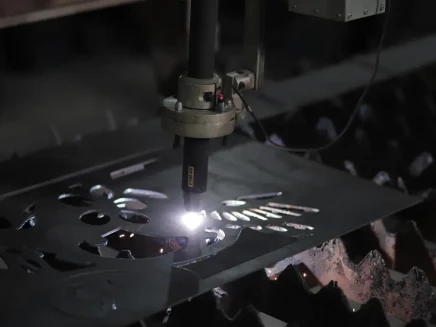
The slitting head is the core of the machine. This section holds the blades that cut the wide material into narrow strips. For carbon fiber, the round knife method works best. This method uses circular blades that roll across the material surface, enabling the production of narrow tapes for automated fiber placement systems.
Rotary Shear Blades vs. Crush Cut Blades
You have two main blade choices for carbon fiber slitting. Rotary shear blades and crush cut blades work differently and give different results.
|
Comparison Aspect |
Rotary Shear Blades |
Crush Cut Blades |
|---|---|---|
|
Cutting Mechanism |
Two aligned rotary knives overlap slightly, creating a scissor-like action |
Single blade presses material against an anvil roll |
|
Edge Quality |
Clean, precise edges with minimal deformation |
Rougher edges with more dust |
|
Setup & Maintenance |
Requires precise alignment and routine sharpening |
Simpler setup, fewer maintenance sessions |
|
Material Compatibility |
Excels with thin, layered materials |
Handles thicker, tacky, or abrasive materials |
|
Equipment & Cost |
More expensive upfront |
Lower equipment cost |
|
Productivity & Speed |
Consistent high-speed production |
Faster changeovers for mixed-material lines |
For carbon fiber, edge quality is critical. The brittle fibers can crack or fray if the cutting action tears rather than slices. Rotary shear blades give the clean edge you need for structural applications. However, crush cut blades may work for less demanding uses where edge appearance matters less.
Blade Positioning and Angle Adjustment
Blade positioning sets the width of each strip. You adjust the distance between blades to reach your target widths. Modern machines use motorized positioning systems that move blades precisely along the shaft. The cutting angle also affects performance. A standard 30-degree angle works for most materials. You can adjust this angle to match the material thickness and fiber direction. Proper angle adjustment reduces blade wear and produces cleaner cuts.
Rewinding and Tension Control
After cutting, the strips travel to the rewinding section. This system winds each strip onto individual cores to create finished rolls. The rewinding process must keep proper tension to prevent loose winding or telescoping.
Differential Rewind Shafts
Differential rewind shafts let each strip wind at slightly different speeds. This feature matters because strips may have minor thickness differences. Without differential action, thinner strips would wind tighter than thicker ones. The differential mechanism uses friction clutches that slip as needed. This design ensures each roll has steady density from core to outer layer.
Closed-Loop Tension Feedback
Closed-loop tension control uses sensors to measure tension continuously. The system sends this data to a PLC controller that adjusts motor speeds in real time. Low-inertia dancer rolls and high-frequency load cells detect even small tension changes. The controller then makes tiny speed adjustments to keep tension constant.
The UD tape slitting machine works by unwinding the carbon UD tape mother tapes into the machine and running them through a set of rubber NIP rollers. The rollers help the machine keep going fast. The rollers also put tension on the carbon UD tape, which keeps it from slipping off the rollers while it is being used.
This feedback loop prevents web stretching and fiber damage. It also keeps roll density uniform, which prevents core crushing and telescoping. Without closed-loop control, you would see uneven roll hardness and possible material waste.
When choosing blade types, think about these factors:
-
If you need a very clean and uniform cutting edge, choose rotary shear blades. Edge quality affects structural integrity and downstream processing.
-
If edge quality matters less, crush cutting offers lower cost and simpler setup.
-
Test with actual material samples. Carbon fiber's brittle nature affects blade wear differently than standard materials.
The combination of these three systems determines your machine's overall performance. Each component must work together to produce consistent, high-quality strips.
How a Carbon Fiber Slitting Machine Works Step by Step
Running a carbon fiber slitting machine happens in three clear steps: unwind, slit, and rewind. Each step builds on the one before it. The master roll moves through the machine in a steady, controlled path. Knowing this order helps you find issues early and keep production running well.
Material Loading and Setup
First, you load the master roll onto the unwinding shaft. You place the roll so it sits centered on the shaft. Then you lock the pneumatic expanding shaft into the roll core. This grip stops slippage when the machine starts turning.
After loading, you set the key settings on the PLC touch screen. This screen gives you full control over the whole process. You can program automatic speed matching, so roller speeds stay in sync as material flows through. You also set constant tension control, which changes tension on its own to avoid stretching or wrinkling. The touch screen tracks finished roll counts without manual counting. A dedicated emergency stop button on the screen instantly halts all motion when needed.
Before running at full speed, you must check several setup values. The table below shows the key numbers you need to verify.
|
Setup Parameter |
Critical Value / Procedure |
|---|---|
|
Unwinding tension |
Set to 10% |
|
Taper tension control |
Enable with taper ratio 5%~10% |
|
Guiding sensitivity |
Set to mid-range, e.g., ±0.3mm trigger correction |
|
Initial test speed |
Low-speed (10~20m/min) test operation before increasing |
|
Tool pitch calibration |
Use feeler gauge to confirm tool pitch error ≤0.05mm |
Edge guiding setup comes next. You turn on the Edge Position Control (EPC) system. Ultrasonic sensors find the side position of the web edge. If the material drifts, a hydraulic actuator moves the whole unwind carriage sideways. This keeps the web entering the blades perfectly straight.
Tension calibration follows. You engage the closed-loop brake system. As the master roll diameter gets smaller during unwinding, the braking torque must drop continuously. A PID control loop handles this change. It keeps web tension steady and prevents stretching or snapping of the carbon fibers.
 Slitting and Trim Removal
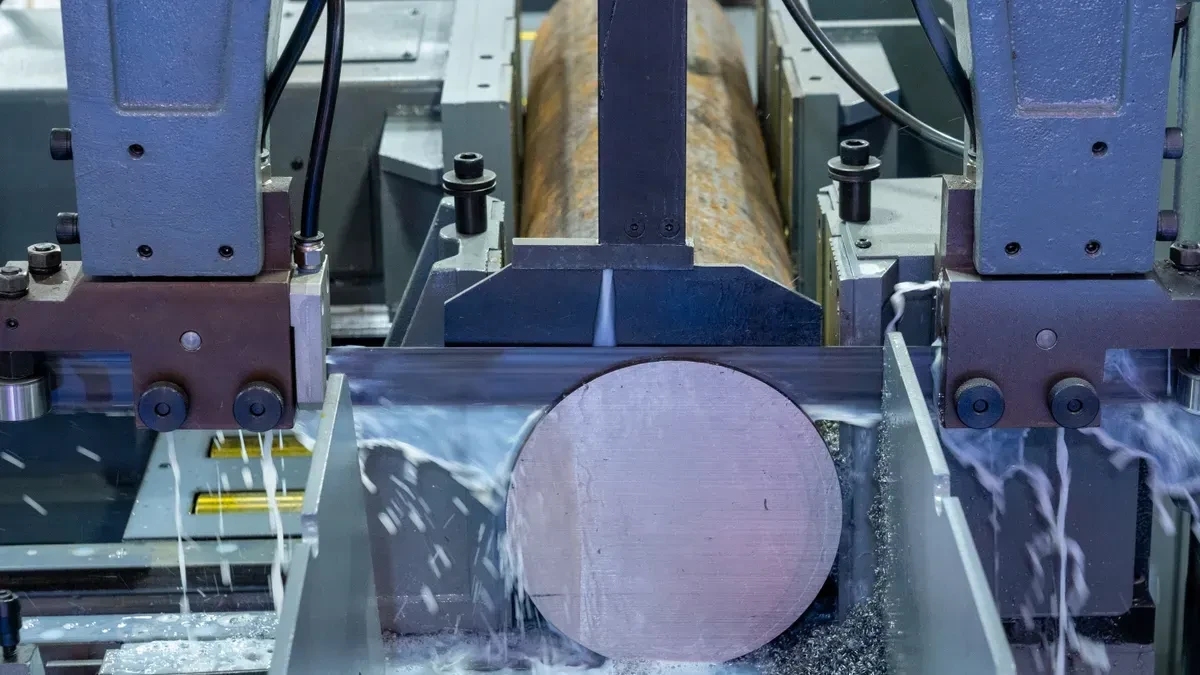
Once setup is done, you start the slitting process. The material moves from the unwind section through rubber NIP rollers. These rollers keep high processing speed and stop the carbon fiber tape from slipping during operation. They also apply tension that keeps the tape flat against the rollers.
The material then reaches the slitting head. Rotary shear blades cut the wide web into narrow strips. For carbon fiber UD tape, you can get narrow slit widths suitable for automated fiber placement systems.
Blade positioning sets the width of each strip. You set the distance between blades on the touch screen. Motorized positioning systems move the blades precisely along the shaft. The cutting angle also matters. A standard 30-degree angle works for most carbon fiber materials. You can adjust this angle to match material thickness and fiber direction.
As the blades cut, they create trim waste. This waste is the narrow edge strips that fall outside your target widths. A waste removal system handles this trim automatically. Vacuum or air jets pull the trim away from the cutting area. This keeps the workspace clean and stops loose fibers from contaminating the finished rolls.
The PLC touch screen manages the entire slitting operation. It watches blade position, cutting speed, and material tension in real time. If any setting drifts outside your set range, the system makes automatic corrections. This removes the need for manual adjustments during production.
Rewinding and Final Inspection
After slitting, the individual strips move to the rewinding section. Each strip winds onto its own core to create a finished roll. Differential rewind shafts allow each strip to wind at slightly different speeds. This feature makes up for minor thickness differences between strips. Without differential action, thinner strips would wind tighter than thicker ones, causing uneven roll density.
The rewinding process keeps constant tension through closed-loop feedback. Sensors measure the tension on each strip continuously. The PLC controller adjusts motor speeds in real time to keep tension steady. This prevents loose winding, telescoping, and core crushing.
Final inspection happens as the rolls complete. You check each roll for edge quality, diameter consistency, and winding density. The touch screen shows automatic counts of finished rolls. You can also program the machine to stop automatically when a roll reaches its target diameter. This automatic roll change feature cuts downtime significantly.
A low-speed test run at 10~20m/min helps you verify all settings before full production. You watch the material path, check edge alignment, and confirm tension readings. Once everything looks correct, you increase to operating speed. The machine then runs continuously, producing consistent, high-quality strips with minimal waste.
The whole process, from loading to finished rolls, happens under automated control. Your main job is monitoring the system and responding to alerts. This automation makes modern carbon fiber slitting machines both efficient and reliable for high-volume production.
Key Technologies for Precision Slitting
Precision slitting depends on three core technologies working together. Blade selection, tension management, and alignment sensing determine whether your finished strips meet specification. Each technology solves a specific problem in the cutting process.
Blade Material and Geometry
Blade material matters more for carbon fiber than for standard films. Carbon fibers are abrasive and brittle. They wear down ordinary steel blades quickly and cause edge fraying. You need blade materials that resist wear while producing clean cuts.
Diamond-coated blades offer the best performance for abrasive composites. Testing with composite gasket materials shows diamond-coated blades last 4 times longer than uncoated blades. For hard, brittle materials like carbon fiber, diamond-coated blades offer significantly longer service life. The strong diamond adhesion keeps the cutting edge sharp through extended production runs.
Tungsten carbide provides another strong option. A tungsten carbide base with a 30-degree angle and diamond coating works well for thick, abrasive composites. This combination handles the toughest cutting conditions. However, these blades are more expensive than standard steel blades. You must weigh that cost against your material type and cutting volume. High-volume production justifies the investment because blade changes cause downtime.
Blade geometry also affects cut quality. The 30-degree angle provides a sharp edge that slices through fibers cleanly. A shallower angle gives a sharper edge but wears faster. A steeper angle lasts longer but may crush fibers instead of cutting them. You need to match the angle to your material thickness and fiber orientation.
Tension Control Systems
Tension control keeps the carbon fiber web flat and stable during cutting. Without proper tension, the material wrinkles, stretches, or drifts sideways. These problems cause inconsistent strip widths and damaged edges.
A full-automatic closed-loop tension control system solves this issue. Sensors measure tension continuously throughout the process. The PLC controller compares these readings to your target values. It then adjusts motor speeds and brake torque in real time to maintain constant tension. This system prevents wrinkling and deformation, even when the master roll diameter changes during unwinding.
The EPC edge correction device works alongside tension control. Ultrasonic sensors track the web edge position. If the material drifts, a hydraulic actuator shifts the unwind carriage to correct the path. This keeps the web entering the blades perfectly straight.
These systems deliver measurable results. Slitting accuracy reaches ±0.1mm, and rewinding end face flatness is maintained within tight tolerances. This precision matters for automated fiber placement (AFP) tapes. The slitting method directly cuts prepreg with high efficiency, producing tapes that meet strict aerospace requirements.
Alignment and Registration Sensors
Alignment sensors ensure the material stays on its intended path. Registration sensors track printed patterns or reference marks on the material. Both types feed data to the PLC for automatic corrections.
Optical sensors detect the web edge or registration marks with high accuracy. They send signals to the control system hundreds of times per second. The system responds instantly to any deviation. This real-time correction prevents cumulative errors that would widen strip tolerances.
A well-aligned carbon fiber slitting machine produces consistent results across long production runs. You can run at high speeds without constant manual monitoring. The sensors handle alignment automatically, freeing you to focus on quality checks and roll changes.
Safety Features of a Carbon Fiber Slitting Machine
Operating a carbon fiber slitting machine requires serious attention to safety. Carbon fiber produces fine, abrasive dust during cutting. These tiny particles can irritate your skin and lungs. Modern machines include multiple safety layers to protect you during operation. Understanding these features helps you work confidently and avoid accidents.
Dust and Fiber Containment
Carbon fiber dust poses a real health risk. When blades cut through the material, they release microscopic fibers into the air. Breathing these fibers can cause respiratory irritation over time. You should never operate a slitting machine without proper dust control in place.
Most industrial slitting machines use an integrated dust collection system. Vacuum ports sit near the cutting area to capture dust at the source. The system pulls airborne particles through filters before releasing clean air back into the workspace. This containment keeps the air safe to breathe and prevents dust from settling on machine components.
You also need personal protective equipment. Wear a dust mask or respirator rated for fine particles. Safety glasses protect your eyes from stray fibers. Gloves shield your hands from abrasive dust that can cause skin irritation. Many operators also wear protective sleeves to keep fibers off their arms.
The machine's enclosed design provides another layer of protection. Transparent covers surround the cutting zone, containing dust and preventing accidental contact with moving parts. These covers let you watch the process while keeping hazardous material contained. Regular cleaning of the dust collection system maintains its effectiveness.
Emergency Stop and Light Curtains
Quick response mechanisms stop the machine instantly when something goes wrong. You need multiple ways to halt operation, especially during high-speed cutting. A carbon fiber slitting machine includes several emergency systems that work together.
Emergency stop buttons are the most basic safety feature. These large, red buttons sit at multiple points around the machine. When pressed, they instantly cut power to all moving parts. The machine stops within a fraction of a second. You can reach an emergency stop button from any operating position. This quick access matters when you notice a problem developing.
Light curtains add another layer of protection. These devices create an invisible barrier around dangerous areas. If your hand or any body part interrupts the beam, the machine halts immediately. Light curtains protect you without requiring any action on your part. They work automatically, even when your attention is focused elsewhere.
-
Light curtain: A non-contact safety device that creates an invisible barrier; if interrupted by an operator's body part, the machine immediately halts operation.
-
Emergency stop button: A manually operated, highly visible red button that, when pressed, instantly cuts power to all moving parts, bringing the machine to a safe stop.
These systems complement each other. Light curtains catch unexpected movements. Emergency buttons handle situations you see coming. Together, they provide comprehensive protection during every phase of operation.
Blade Guarding and Interlocks
Blades are the most dangerous part of any slitting machine. Sharp rotary blades move at high speed and can cause severe injuries. Guarding systems prevent accidental contact while allowing safe access for maintenance.
Fixed guards cover the blade area during normal operation. These metal or polycarbonate shields block access to moving blades. You cannot reach the cutting zone while the machine runs. The guards also contain any debris that might fly off during cutting.
Interlock systems add intelligence to the guarding. These safety switches detect when a guard is open or removed. If you open a guard while the machine operates, the interlock triggers an immediate stop. The machine will not restart until you close and secure the guard properly. This prevents the dangerous habit of reaching into the machine while it runs.
Some machines also require two-handed operation for certain functions. You must press two buttons simultaneously to start the machine. This ensures both hands stay away from danger zones during startup. The design forces you to maintain a safe position before operation begins.
Blade changes require special procedures. You must lock out the machine's power source before touching blades. This lockout prevents accidental startup while your hands are near the cutting edge. Always follow the manufacturer's procedure for blade replacement. Never rush this process, even during busy production periods.
Safety features only work when you use them properly. Inspect guards and interlocks daily for damage. Test emergency stop buttons regularly to confirm they function correctly. Replace worn or broken safety components immediately. A machine with disabled safety features becomes a serious hazard.
Maintenance Tips for Longevity and Performance
A well-kept carbon fiber slitting machine works well for many years. Carbon fiber dust is rough and can wear out parts fast. You need a regular care plan to protect your machine. Sanhui builds its machines with a modular design. This lets you reach key parts quickly. You can get to bearings, blades, and rollers without taking apart the whole machine. This saves hours of downtime during service.
Daily Cleaning and Inspection
Start each shift with a visual check. Walk around the machine and look for loose bolts, worn belts, or leaking hydraulic lines. Check the blade area for carbon dust buildup. This fine dust can land on guides and sensors. It blocks edge detection and causes misalignment.
Clean the machine after every production run. Use a vacuum with a filter to remove carbon fiber dust. Do not use compressed air. It pushes dust into bearings and electrical panels. Wipe down the rubber NIP rollers with a lint-free cloth. These rollers keep tension and stop tape slippage. Any residue on them affects material tracking.
Check the tension sensors and edge guides daily. Wipe the sensor lenses clean. A dirty lens gives wrong readings. The machine then makes unneeded corrections. These corrections cause tension changes and uneven strip widths. A quick wipe prevents these problems.
Inspect the emergency stop buttons and light curtains each morning. Press each button to confirm it works. Test the light curtain by passing your hand through the beam. The machine should stop right away. Replace any damaged safety parts immediately. Do not run the machine with disabled safety features.
Blade Replacement and Sharpening
Blade care controls your cut quality. Carbon fiber prepreg is very abrasive. It dulls blades faster than most materials. You need a clear schedule for checking and replacing blades. The list below shows the key maintenance intervals.
-
Replacement cycle: For carbon fiber prepreg, replace blades based on wear and maintenance schedule.
-
Inspection frequency: Examine blade edges under magnification regularly.
-
Resharpening standard: Resharpen blades to restore a sharp edge.
-
Maintenance impact: Excellent maintenance with regular resharpening extends blade life.
-
Speed impact: Higher slitting speed may shorten the replacement cycle.
-
Precision threshold: For ultra-precision slitting, replace or resharpen more frequently.
You should check blades under magnification often. A dull edge shows rounding or chipping. When you see these signs, resharpen the blade right away. Running with a dull blade crushes carbon fibers instead of cutting them. This creates frayed edges and extra dust.
Blade changes need care. Lock out the machine's power before touching blades. Follow the maker's steps exactly. Use the right torque when tightening blade holders. Overtightening cracks the blade. Undertightening lets it slip during operation.
Lubrication and Bearing Care
Bearings carry the rotating shafts that drive unwinding, slitting, and rewinding. Carbon fiber dust can get into bearing seals. It acts like sandpaper inside the bearing. This causes early wear and noisy operation. You need a strict lubrication schedule.
Use the lubricant grade listed in your machine manual. Apply grease to bearings at the suggested times. Do not over-grease. Extra grease attracts dust and makes a grinding paste. Wipe away old grease before adding new lubricant.
Check bearing temperature during operation. A hot bearing signals trouble. It may have lost lubrication or started to fail. Stop the machine and check right away. Running a failing bearing damages the shaft and nearby parts.
Sanhui backs its machines with a warranty covering the machine and core components. This warranty protects you against manufacturing defects. However, regular maintenance keeps the machine running past the warranty period. A proactive care routine extends the life of every part. You avoid costly repairs and unplanned downtime. Your production stays on schedule, and your finished rolls meet specification every time.
Applications and Benefits of Carbon Fiber Slitting
Industries That Rely on Precision Slitting
Several industries depend on your carbon fiber slitting machine for their daily production. Aerospace is the most important industry. Manufacturers use slit carbon fiber tapes to make fuselage skins, wing spars, ribs, and control surfaces. These parts need strong but lightweight materials. Your machine makes narrow tapes for automated fiber placement systems. Standard tape widths vary depending on application. Each tape has strict performance needs. For wing spars, unidirectional tape with high zero-degree plies provides high longitudinal strength. Control surfaces made from thin-ply tapes save weight compared to aluminum parts.
The automotive industry also uses precision slitting. Carbon fiber parts reduce vehicle weight and improve fuel efficiency. You find slit tapes in structural panels, drive shafts, and body reinforcements. Wind energy companies use slit carbon fiber for turbine blades. The long, narrow strips reinforce blade edges and spars. Packaging and electronics industries use smaller-width tapes for special uses. Light industrial manufacturing rounds out the customer base. Each industry wants a different material format.
Your machine needs to handle many carbon fiber materials. Modern slitting equipment works with carbon fiber in various forms, including UD tape, prepreg, and dry fiber. This versatility makes one machine useful for many production lines.
|
Aerospace Application |
Tape Configuration & Layup |
Key Performance Metrics |
|---|---|---|
|
Fuselage skin panels |
Multi-ply laminates, quasi-isotropic |
High tensile strength and modulus |
|
Wing spars and ribs |
Unidirectional tape with high zero-degree plies |
High longitudinal strength |
|
Control surfaces |
Thin-ply tapes |
Significant weight savings vs. aluminum |
Advantages of Automated Slitting
Automated slitting has clear benefits over manual cutting. You get three big improvements: better consistency, lower labor costs, and less material waste.
Consistency is the biggest benefit. When you cut by hand, operator fatigue makes width tolerance drift over time. The first strip may look fine, but the last strip often falls outside specification. Automated slitting solves this problem. The machine holds width tolerance at ±0.1 mm or better. Every strip matches the first one. You can run long production shifts without quality changes.
Labor costs drop a lot. Manual cutting needs more operators. An automated carbon fiber slitting machine needs fewer people to watch the process. This frees up workers for other tasks and lowers your payroll costs.
Material waste also shrinks. Manual cutting creates more scrap due to measurement errors and blade misalignment. Automated systems use precise blade positioning and closed-loop tension control. They cut every strip to the exact width you set. Less waste means lower material costs and higher yield.
|
Aspect |
Manual Cutting |
Automated Slitting |
|---|---|---|
|
Operators required |
More operators |
Fewer operators |
|
Width tolerance |
Wider tolerance |
±0.1 mm or better |
|
Consistency across long runs |
Gets worse due to operator fatigue |
First and last strip are the same |
|
Scrap rate |
Higher |
Lower |
Your machine also handles many material types. It cuts carbon fiber prepreg, thermoplastic UD tape, and dry fiber with equal precision. This flexibility lets you serve multiple industries from one machine. You reduce capital investment while expanding your production abilities.
You now understand how a carbon fiber slitting machine works. The unwinding system feeds material steadily. The slitting head cuts precise strips with rotary shear blades. The rewinding section collects finished rolls with consistent tension. Precision technologies like closed-loop tension control and EPC edge correction deliver ±0.1mm accuracy. Safety features protect you from dust and blade hazards. Regular maintenance keeps everything running smoothly.
Understanding these elements helps you optimize performance and safety. Future developments include IoT integration for remote monitoring and faster blade technologies. These advances will make carbon fiber processing even more efficient.
Explore Sanhui Machinery's carbon fiber slitting machine lineup for your production needs. Contact the company for customized solutions. Investing in quality equipment pays off through reduced waste and consistent output.
FAQ
What materials can a carbon fiber slitting machine process?
You can process carbon fiber in various forms including UD tape, prepreg, and dry fiber. This versatility lets one machine serve multiple production lines.
How narrow can the slit strips be?
The minimum slit width can be very narrow for carbon fiber UD tape. Standard models can achieve narrow widths suitable for automated fiber placement systems.
What causes uneven strip widths during slitting?
Uneven widths usually come from tension changes or blade misalignment. Dull blades crush fibers instead of cutting them cleanly. Dirty edge-guiding sensors give wrong readings. Check blade sharpness and clean sensor lenses regularly to maintain consistent strip quality.
How often should I replace the blades?
For carbon fiber prepreg, replace blades based on wear and maintenance. Inspect edges under magnification regularly. Resharpen to maintain a sharp edge. Excellent maintenance extends blade life. Higher speed may shorten the replacement cycle. For ultra-precision slitting, replace blades more frequently.
Can the machine handle heavy master rolls?
Yes. Heavy-duty models handle unwinding diameters up to 1600mm and loads over 3000kg. The pneumatic expanding shaft locks onto the roll core securely. This capacity matters because carbon fiber prepreg rolls are dense and heavy.
What safety features protect operators?
The machine includes emergency stop buttons at multiple points, light curtains, and blade guarding with interlocks. A dust collection system captures fine carbon fibers at the cutting area. These features work together to prevent accidents and protect your respiratory health.
How does automatic tension control improve quality?
Closed-loop tension control measures force continuously and adjusts motor speeds in real time. This prevents stretching, wrinkling, and deformation of carbon fibers. The system maintains slitting accuracy of ±0.1mm and consistent rewinding quality.
What warranty does Sanhui Machinery offer?
Sanhui offers a warranty covering the machine and core components. The modular design allows quick access to key parts during maintenance. Regular care extends the machine's life well beyond the warranty period.