Masking Tape Slitting Machine Explained
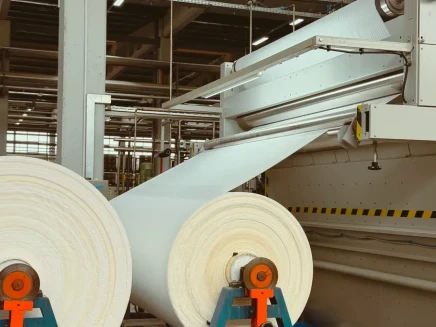
A masking tape Slitting Machine turns wide rolls into small, finished rolls with great accuracy. You put in a jumbo roll, and it cuts into many smaller rolls of exact widths. This machine lets you mass-produce and customize tape widths for different uses.
Learning about this machine helps you improve production speed and tape quality. You'll find out how it works, look at different types, and learn key features. We'll also cover troubleshooting tips and help you pick the right machine for your needs. Mastering these things makes your tape making much better.
Key Takeaways
-
A masking tape slitting machine cuts wide master rolls into many narrow, finished rolls with precise widths.
-
The machine works in three main steps: unwinding, slitting, and rewinding. Each step controls tension with great care.
-
Pick a semi-automatic or fully automatic model based on how much you produce and what you can spend.
-
High precision machines use servo drives, PLC controls, and EPC edge correction to reach accuracy up to ±0.1mm.
-
This machine works with many materials, such as masking tape, BOPP, PET, and double-sided tapes.
-
Regular cleaning and automatic tension control stop common problems like sticky blades, wrinkles, and telescoping.
-
Choose a machine that fits your material types, roll widths, and daily output goals.
-
Buying a high precision slitter leads to more consistent products, less waste, and happier customers.
What Is a Masking Tape Slitting Machine?

A masking tape slitting machine is a special tool with one main job: turning big master rolls of masking tape into smaller, sellable rolls with exact widths. You feed a wide jumbo roll into one end, and the machine cuts it into many narrow strips, then rolls each strip onto its own core. This process changes bulk material into finished products ready for packaging, shipping, and use.
Core Function and Purpose
The main job of this machine is precise cutting. You start with a master roll that might be 1,300 millimeters wide. That roll holds thousands of meters of tape wound tightly around one core. Your customers, though, need rolls that are 12 millimeters, 24 millimeters, or 48 millimeters wide. The slitting machine fills that gap.
You place the master roll onto the unwinding shaft. The machine moves the tape through a set of rollers and cutting blades. Each blade slices the wide sheet into narrower strips. Those strips then go to separate rewinding shafts, where they wind onto individual cores. The result is many finished rolls made at once from one pass.
The purpose goes beyond simple cutting. A good machine keeps steady tension throughout the process. It makes sure each finished roll has clean edges, tight winding, and even width. Without this precision, you would get rolls with rough edges, loose winding, or uneven sizes. These problems cause customer complaints and wasted material.
Key Terminology: Master Roll, Slitting, and Rewinding
Knowing the terms helps you talk clearly with suppliers and operators. Three words form the base of every talk about this equipment.
Master roll means the large, wide roll of tape that goes into the machine. Makers also call it a jumbo roll or parent roll. This roll usually measures from 800 millimeters to 1,600 millimeters across, depending on the material and production setup. The master roll holds the full width of tape as it comes off the coating line.
Slitting means the cutting action itself. The machine uses sharp blades to slice the wide sheet into narrower strips. Different blade types fit different materials. Razor blades work well for thin masking tape. Shear cut blades handle thicker or tougher materials. The slitting process must make clean, smooth edges without harming the adhesive layer.
Rewinding is the last step. After slitting, each narrow strip winds onto its own core. These cores are usually cardboard or plastic tubes. The rewinding process needs careful tension control. Too much tension stretches the tape. Too little tension creates loose, sliding rolls. A good machine handles this on its own.
How It Differs from General Tape Cutting
You might ask how a masking tape slitting machine differs from general tape cutting tools. The difference matters because it affects your buying choice and production quality.
General tape cutting machines often handle simple, easy jobs. They might cut tape into set lengths for single pieces, like labels or strips. These machines usually process one roll at a time and make cut pieces rather than rewound rolls. They serve different purposes, such as making tape strips for packaging.
A tape slitting machine, on the other hand, handles continuous, high-volume work. It processes the whole master roll in one operation. It makes many finished rolls at the same time. The machine controls tension, alignment, and edge quality through the whole run. This ability makes it vital for makers who produce tape rolls in large amounts.
Another key difference is precision. General cutting tools might allow variations of a few millimeters. A high-precision tape slitting machine, like those from Sanhui Machinery, reaches slitting accuracy of ±0.1mm. That level of precision makes sure every roll meets exact specs. It also keeps rewinding end face flatness at ≤0.5mm, which means the sides of each roll stay smooth and even.
The material handling also differs a lot. Masking tape has a pressure-sensitive adhesive on one side. This adhesive can stick to blades, rollers, and other machine parts. A dedicated masking tape slitting machine includes features to handle this issue. Release coatings on rollers stop sticking. Blade cleaning systems reduce adhesive buildup. These design features make the machine right for adhesive materials, while general cutting tools might struggle with them.
Finally, think about the size of the operation. General tape cutting fits small workshops or low-volume production. A tape slitting machine supports industrial-scale manufacturing. It runs at speeds up to 800 meters per minute on high-speed models. It handles rolls weighing over 3,000 kilograms. This capacity boosts your production power and lets you meet large orders efficiently.
When you pick the right equipment, you invest in your production line's future. A specialized masking tape slitting machine gives the precision, speed, and reliability that general tools cannot match. It turns raw materials into finished products with little waste and great consistency.
How a Tape Slitting Machine Works
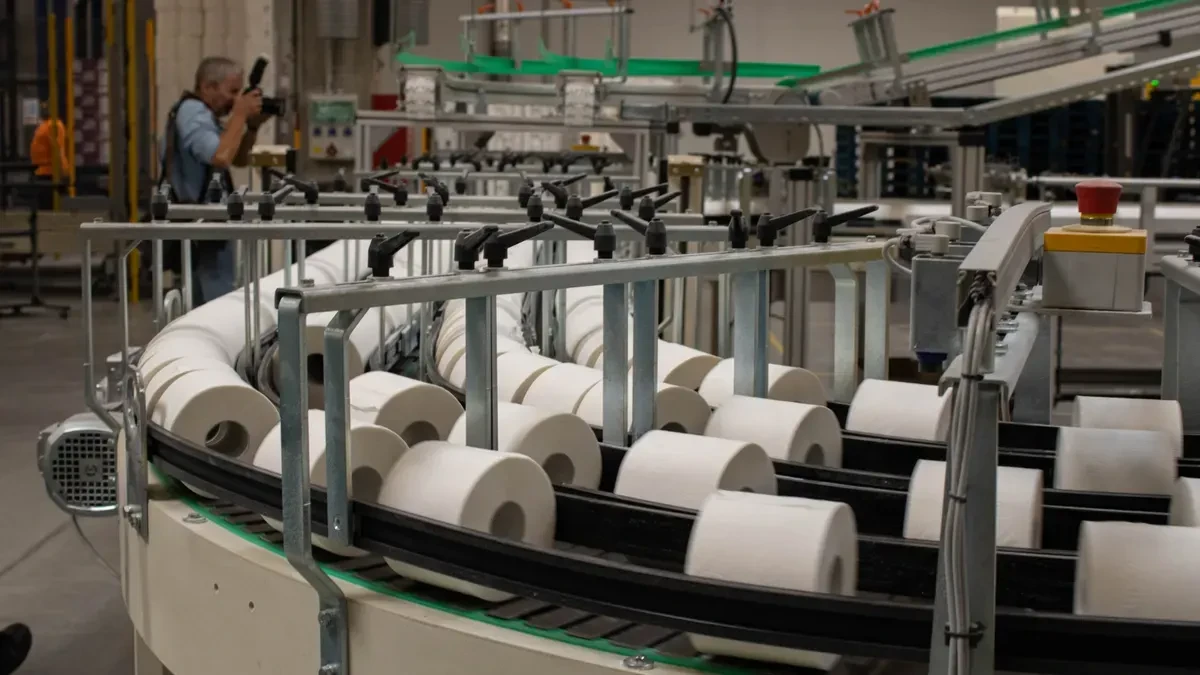
A tape slitting machine changes a master roll into finished rolls using three main steps. Each step must work right for the best results. You need to know these steps to run your machine well and make good rolls.
Step 1: Unwinding the Master Roll
The process begins when you put the master roll onto the unwinding shaft. This shaft holds the roll and lets it spin freely as the machine pulls tape from it. The unwinding part must keep the tape under steady tension. Without stable tension, the tape can stretch, wrinkle, or bend. These issues ruin the final product.
Automatic tension control systems handle this job for you. Three common types exist in today's machines. Each type works differently and gives different benefits.
Open-loop torque control figures out motor output torque based on coil diameter changes. It uses the formula T = F × R. The method is simple but lacks feedback. It has poor anti-interference ability and lower accuracy. You might use this system for basic jobs where small changes do not matter.
Closed-loop direct tension control uses tension sensors that give real-time feedback. The machine adjusts motor output based on sensor readings. This method offers the highest control accuracy. It comes standard on high-end slitting machines. You get the best results with this system, especially for delicate materials.
Closed-loop indirect tension control uses a floating roller to steady tension. The roller provides buffering and damping effects. It costs less than direct systems while still giving good stability. Most regular slitting jobs use this method. It works well for masking tape and many other materials.
The unwinding part of your machine includes these tension control devices. They manage the parent roll at a controlled speed. This keeps the tape flat and smooth as it enters the cutting area. You can trust the machine to keep the right tension throughout the run.
Step 2: Slitting Methods and Blade Types
After unwinding, the tape moves into the slitting section. Here, sharp blades cut the wide sheet into narrow strips. Two main slitting methods work for masking tape and similar materials.
Razor Blade Slitting
Razor blade slitting uses thin, sharp blades that cut the tape like a knife. This method works well for masking tape and other thin adhesive materials. The blades sit in holders that keep them at the correct angle. You can adjust the blade position to change the cut width.
Razor blades make clean cuts with little waste. They stay sharp long enough for most production runs. But adhesive can build up on the blades over time. This buildup causes sticking and poor cuts. You need to clean or replace blades often to keep good quality. For most masking tape production, razor blade slitting is the standard choice.
Shear Cut Slitting
Shear cut slitting uses two rotating blades that work like scissors. A lower blade and an upper blade pass close together to cut the tape. This method handles thicker materials better than razor blades. It works well for double-sided tape, foam tape, and other tough materials.
Shear cutting puts less stress on the adhesive layer. It makes smooth edges that stay flat. The blades last longer than razor blades between sharpenings. But shear cut systems cost more and need more careful setup. You can switch to shear cut if you process thicker materials alongside your standard masking tape.
Step 3: Rewinding and Tension Control
The final step rewinds each narrow strip onto its own core. The rewinding shafts hold multiple cores at once. Each strip guides onto its core and winds into a finished roll.
Tension control matters here just as much as in unwinding. The rewinding part must keep steady tension on each strip. Too much tension stretches the tape or makes it telescope. Too little tension creates loose, poorly wound rolls. The machine must balance these forces through the whole winding process.
A good masking tape slitting machine uses automatic tension control throughout the entire process. The system adjusts tension instantly as roll diameters change during winding. This keeps every finished roll tight and even. Sanhui Machinery's slitting machines include this feature as standard. It ensures consistent quality from the first roll to the last. You get the same tight winding on every roll, every time.
The combination of proper unwinding, accurate slitting, and controlled rewinding gives you finished rolls that meet your customers' expectations. Each step depends on the others. A machine that handles all three well makes your production smooth and efficient. You can produce high-quality tape rolls with less waste and fewer rejects.
Common Types of Slitting Machines
You have several choices when picking a tape slitting machine for your facility. Each type serves different needs and budgets. Understanding the options helps you match the equipment to your actual production demands.
Semi-Automatic vs. Fully Automatic Models
The biggest decision you face is the level of automation. Semi-automatic machines require manual roll changes. An operator stops the machine, removes finished rolls, places new cores, and restarts the process. This approach works well for smaller operations with lower output targets.
Fully automatic models handle roll changes on their own. The machine detects when a roll reaches the set diameter, cuts the tape, transfers it to fresh cores, and keeps running. You only need someone to remove the finished rolls periodically. This automation makes a major difference in your daily output.
|
Machine Type |
Changeover Time (minutes) |
|---|---|
|
Semi-Automatic |
20 |
|
Fully Automatic |
10 |
The table shows the time difference clearly. A fully automatic machine cuts changeover time in half. That saving adds up across a full shift. You gain roughly 20-30% more production efficiency with the automatic option. The extra cost makes sense when you run high volumes or work with expensive materials where downtime hurts.
Vertical vs. Horizontal Configurations
The machine's physical layout also matters. Vertical Slitting Machines stand upright with a compact footprint. They fit well in tight workshop spaces. These models suit small-batch production and narrow material widths. You can place them against a wall and still have room to move around.
Horizontal machines stretch out along the floor. They handle much wider master rolls and heavier loads. This configuration works better for large-scale operations that process wide materials like paper or film. The horizontal layout gives you easier access to all parts of the machine for maintenance and roll handling.
Your available floor space and typical roll widths should guide this choice. A vertical unit saves space but limits your maximum width. A horizontal unit needs more room but opens up bigger production possibilities.
Choosing Based on Production Volume
Your daily output target should drive the final decision. Small shops producing a few hundred rolls per day do fine with semi-automatic vertical machines. These units cost less and still deliver good quality. You can start here and upgrade later as orders grow.
Medium and large producers need fully automatic horizontal models. These machines run continuously with minimal operator attention. They handle wide master rolls and maintain high production speed throughout the day. The investment pays back through reduced labor costs and fewer stoppages.
Sanhui Machinery offers a complete range from Model 320 to Model 3500. This lineup covers every production level. You can select a compact model for a startup workshop or a large industrial unit for mass production. The right choice depends on your current needs and your growth plans. Match the machine to your realistic output, not just your ambitions.
Key Features of a High Precision Tape Slitting Machine
Servo Drives and PLC Control Systems
A servo drive controls motor speed and position with great accuracy. This drive connects to a PLC, or programmable logic controller, which acts as the machine's brain. The PLC reads sensor inputs and sends commands to the servo drives. This setup gives you exact control over every machine movement.
The PLC talks to the servo drives using industrial protocols. These protocols allow fast data exchange between parts. The table below shows common protocols used in modern slitting machines.
|
Protocol / Programming Language |
Description |
Relevance to PLC Control |
|---|---|---|
|
EtherCAT |
Supports various topologies with less than 1 microsecond synchronization. |
Used for high-speed servo axis synchronization and tension control. |
|
CANopen, M-II, M-III |
Bus protocols supported by many servo drives. |
Provides alternative communication options between PLC and drives. |
|
VC5 Series EtherCAT Bus PLC |
A PLC model that integrates EtherCAT for intelligent system solutions. |
Directly used as a controller for slitting machines. |
|
TwinSAFE |
Safety protocol over EtherCAT for safety-related communication. |
Enhances safety without separate wiring. |
With these protocols, the PLC and servo drives work together smoothly. You can set slitting width, speed, and tension from a touch screen. The PLC then commands the servo drives to follow those settings exactly. Sanhui Machinery's slitting machines include a PLC touch screen for easy operation. This feature cuts setup time and helps you avoid mistakes.
EPC Edge Correction for Alignment
EPC stands for Edge Position Control. This system keeps the material aligned as it moves through the machine. A sensor detects the tape edge and sends a signal to a correction mechanism. If the material drifts, the mechanism moves the guide rollers to bring it back. This action stops the tape from shifting sideways during slitting.
Clean edges matter for your finished product. Without EPC, the tape can wander and cause uneven cuts. You get rolls with rough or jagged edges. Customers reject these rolls because they look unprofessional and can cause problems during application. The EPC system fixes this problem automatically.
The slitting accuracy of a high precision tape slitting machine reaches ±0.1mm. This benchmark means every cut stays within 0.1 millimeters of the target width. The rewinding end face flatness stays at or below 0.5mm. These numbers come from the manufacturer's technical specs. They represent the standard for consistent product quality. Some advanced machines achieve even tighter tolerances, with accuracy within a few thousandths of an inch, or approximately ±0.025mm to ±0.076mm. Precision tape slitters that include EPC systems can reach these levels reliably.
Tension Control and Speed Regulation
Tension control keeps the tape at the right tightness during the entire process. The machine must pull the tape from the master roll and wind it onto cores without stretching or loosening it. Two tension zones exist in the machine. The unwinding zone controls tension as the tape leaves the master roll. The rewinding zone controls tension as each strip winds onto its core.
Speed regulation works hand in hand with tension control. The machine must run at a consistent speed for clean cuts. Sudden speed changes cause the tape to jerk or stretch. A high precision tape slitting machine uses closed-loop tension control systems. These systems use sensors to measure tension in real time. The PLC then adjusts the motor speed to maintain the correct tension.
Precision tape slitters include these features as standard equipment. You can set the desired tension and speed on the control panel. The machine maintains these settings throughout the run. This automation removes guesswork from the process. You get consistent results from the first roll to the last. The combination of accurate tension control and steady speed makes your production reliable and efficient.
Applications and Material Compatibility
A masking tape slitting machine can do much more than just cut masking tape. This flexibility makes it a smart buy for any production facility. You can use the same equipment to process many different adhesive products. Knowing which materials work well helps you get the most from your machine and serve more customers.
Masking Tape and Other Adhesive Tapes
Masking tape is still the main material for most slitting jobs. The machine cuts it cleanly without harming the adhesive layer. You get smooth edges and even widths every time. This dependability keeps your masking tape production running without problems.
Beyond masking tape, you can process many other adhesive tapes. The slitting machine handles transfer tape, double coated tape, cloth tape, and duct tape. It also processes filament tape, film tape, foil tape, and medical tape. Paper tape, single coated tape, Teflon tape, VHB tape, and vinyl tape all work well too. Each material has its own traits, but a quality machine adjusts to handle them all.
The secret is in the machine's adjustable settings. You change blade types, tension levels, and speeds to fit each material. For example, cloth tape needs different tension than thin film tape. The machine's control system lets you save settings for each product. This feature makes switching between materials quick and easy.
Handling BOPP, PET, and Double-Sided Tapes
BOPP tape, often used for packing boxes, runs through the same machine. This material has a smooth surface and needs careful tension control. The machine keeps the tape flat and stops it from stretching during slitting. You produce clean, even rolls ready for packaging use.
PET tape brings different challenges. This stronger material needs sharper blades and careful speed control. The machine's servo drives keep steady cutting pressure through the whole run. You get smooth edges that meet customer quality standards.
Double-sided tape needs extra care during slitting. Both sides have adhesive, which can cause sticking issues. The machine uses release-coated rollers to stop the tape from clinging to machine parts. This design keeps production moving without stops. You can process double-sided tape efficiently without constant cleaning breaks.
Adapting to Different Core Sizes and Widths
Core size matters when you make finished rolls. Most masking tape rolls use a 3-inch core, which is 76.2 millimeters in inner diameter. This standard size fits most dispensers and applicators. Your slitting machine handles this core size as standard equipment.
You can also work with other core sizes when needed. The machine's rewinding shafts accept different core diameters with simple adjustments. This flexibility lets you serve customers with special needs. You might make rolls for industrial applicators that use larger cores or smaller ones for retail packaging.
Width customization gives you another benefit. The smallest slitting width reaches 10 millimeters. This precision lets you create very narrow tape strips for special uses. You can also make wide rolls up to the machine's maximum capacity. The number of strips you cut from one master roll depends on the total width and your target width. This flexibility means you can fill different customer orders without changing machines.
Sanhui Machinery's slitting machines handle all these materials and sizes across packaging, printing, and labeling industries. You get one machine that serves many purposes. This versatility lowers your equipment costs and grows your production options.
Troubleshooting Common Slitting Problems
Even the best masking tape slitting machine needs care. Problems show up during production. You can fix most of them quickly. Knowing what causes each issue helps you solve it fast and keep your line moving.
Dealing with Sticky Knives and Adhesive Build-Up
Masking tape has a sticky adhesive on one side. That adhesive sticks to everything it touches. Blades collect adhesive residue while slitting. This build-up makes cuts rough and uneven. It also slows down your production speed.
You can stop this problem with regular cleaning. Several cleaning agents work well for removing adhesive from blades and rollers.
-
Isopropyl alcohol (70%): removes adhesive residue well and dries fast
-
Specialized machine cleaners: made for industrial machines to remove tough dirt like adhesives and film residue
-
Mild detergents (pH-neutral): remove regular dirt but are not made for adhesive build-up
You should clean your blades on a set schedule. How often depends on how much you produce and what material you use. Some operators clean blades at every roll change. Others clean once per shift. You will find the right schedule for your work.
A porous material treated with a cleaning solution can also help. You place this material in the machine's path. The cutting blade moves in and out several times to touch the material. This action cleans the blade and adds a protective layer without taking the machine apart.
This method works well for machines that run all the time. You do not need to stop production for cleaning. The blade cleans itself while the machine runs.
Solving Tension Issues: Wrinkles and Telescoping
Tension problems cause two common defects. Wrinkles appear when the material gets too loose. The tape folds and creases as it moves through the machine. Telescoping happens when the material winds unevenly. One side of the roll sticks out past the other, like a collapsed telescope.
Bad tension causes both issues. Too much tension stretches the material. Too little tension lets it move around. Either way, you get bad rolls that customers send back.
Automatic tension control stops these problems. The system checks tension in real time. It changes motor speed right away to keep the material at the right tightness. You set the tension you want on the control panel. The machine keeps that setting for the whole run.
This automation makes a big difference in your output quality. You make clean, even rolls every time. You also cut down on wasted material because fewer rolls get rejected. The machine handles the changes for you. You do not need to watch every roll as it winds.
Reducing Noise and Vibration
Too much noise and shaking signal a problem. Your machine should run smoothly. If you see shaking or hear loud sounds, check the basics first.
Blade sharpness matters more than you might think. Dull blades tear the material instead of cutting it. This tearing causes vibration and noise. It also makes rough edges on your finished rolls. You should check blades often and replace them when they get dull.
Machine alignment also affects noise levels. Rollers that are out of line cause the material to rub against machine parts. This rubbing creates heat and sound. Check your roller alignment during regular maintenance. Adjust them as needed to keep everything running straight.
Loose parts cause vibration too. Bolts and fasteners can loosen over time. The machine shakes as parts move against each other. You should tighten all connections during your maintenance schedule. This simple step stops bigger problems later.
Regular maintenance keeps your machine quiet and steady. You catch small issues before they become major failures. Your production stays on schedule, and your finished rolls meet quality standards.
How to Choose the Right Slitting Machine
Assessing Your Production Needs
Before you buy any machine, look closely at your own production. Start with the materials you process. Does your line run mostly masking tape, or do you also handle BOPP, PET, and double-sided materials? A tape slitting machine that handles multiple materials gives you more flexibility. You can serve different customers without buying extra equipment.
Next, measure your widest master roll. The machine you choose must accept that width. Also check your daily output. If you run 500 rolls per day, a small machine may work. If you need 5,000 rolls, you need a larger model with higher speed. Sanhui Machinery offers models from 320 to 3500. This range covers all production volumes. You can match the machine to your exact output target.
Comparing Automation Levels and Costs
The biggest cost difference comes from automation. A standard tape slitting machine needs manual roll changes. An auto roll change model costs 120 to 130 percent more. But that extra cost pays back through reduced downtime. You save time on every roll change.
The table below shows the typical downtime reduction you can expect:
|
Source |
Downtime Reduction Percentage |
|---|---|
|
Case example (reel change time reduction from 90 to 10 minutes) |
Up to 88% |
|
Average manufacturer-reported efficiency improvement |
Around 78% |
That reduction means you produce more rolls in the same shift. For high-volume converters running two or three shifts, the payback period usually falls between 12 and 24 months. One converter achieved a payback period of just under 18 months. After that, the increased throughput became pure profit. If you run high volumes, the auto roll change model makes strong financial sense.
Why Sanhui Machinery Stands Out
Sanhui Machinery brings over ten years of exclusive focus on slitting equipment. That experience shows in every machine. The company offers a high precision tape slitting machine that reaches a slitting accuracy of ±0.1mm. This level of precision keeps your finished rolls consistent and your customers happy. Every high precision tape slitting machine from Sanhui includes automatic tension control and EPC edge correction. These features work together to give you clean cuts and even winding.
You also get customized solutions. Sanhui tailors each machine to your specific material types, roll widths, and output needs. A low waste slitting machine from Sanhui helps you reduce material waste and improve your yield. This efficiency directly lowers your production costs.
The support does not stop after the sale. The company provides 24/7 technical support. If a problem arises, you get remote guidance for general faults. For serious issues, a technician visits within 48 hours. This reliability keeps your tape production running smoothly. You can trust that your precision tape slitters will keep working at their best.
When you combine the expertise, customization, and support, Sanhui stands out as a reliable partner. You get a machine that fits your operation and the backing to keep it running.
A masking tape slitting machine changes big rolls into ready-to-use rolls quickly and correctly. You now know how the three steps work together. You looked at different machine types and main features such as tension control and blade choice. These parts decide the quality of your finished rolls.
Buying a high precision tape slitting machine makes your products more consistent and cuts waste. You get clean edges, even winding, and exact widths on every roll. This dependability makes customers happy and lowers your production costs.
Are you ready to improve your tape production? Call Sanhui Machinery today to talk or see a machine demo. Their team will help you find the best machine for your work.
FAQ
What materials can a masking tape slitting machine process?
This machine can work with many materials. It handles masking tape, BOPP packing tape, double-sided tape, kraft paper, plastic films, aluminum foil, and non-woven fabrics. The machine changes its settings for each material type. This flexibility makes it helpful in packaging, printing, and labeling industries.
How accurate is the slitting process?
A high precision tape slitting machine can cut with an accuracy of ±0.1mm. The rewinding end face flatness stays at or below 0.5mm. These numbers mean every finished roll has the same width and smooth edges. You get reliable quality from the first roll to the last.
What is the smallest width I can cut?
You can cut tape strips as narrow as 10 millimeters. The number of strips you get from one master roll depends on the total material width and your target width. This flexibility lets you create custom sizes for different customer needs without changing machines.
How fast can the machine run?
High-speed models reach 800 meters per minute. Standard models run at 200 or 400 meters per minute. Stable running speed typically sits at 70 to 80 percent of the rated speed. You should match the machine speed to your material type and quality requirements.
What causes telescoping in finished rolls?
Telescoping happens when tension is uneven during rewinding. One side of the roll winds tighter than the other. Automatic tension control prevents this problem. The system checks tension in real time and adjusts motor speed instantly. You get even, flat rolls every time.
How do I clean adhesive buildup from blades?
Adhesive residue collects on blades during production. You can use isopropyl alcohol at 70 percent strength to remove it. Specialized machine cleaners also work well. Some operators place a porous cleaning material in the machine path so blades clean themselves during operation. Regular cleaning keeps cuts smooth.
What warranty comes with the machine?
You get a 1-year warranty for the machine itself. Core components carry a 2-year warranty. If problems occur, you receive 24/7 technical support. Remote guidance handles general faults. For serious issues, a technician visits within 48 hours. This support keeps your production running.
How much more does an auto roll change model cost?
An auto roll change slitter costs 120 to 130 percent more than a standard model. This extra investment reduces downtime significantly. You save time on every roll change. For high-volume production, the payback period usually falls between 12 and 24 months. After that, increased output becomes pure profit.