Choosing the Right Wide Web Slitting Machine
You judge a wide web Slitting Machine carefully.
You check material traits and tension control precision.
You also check operating speed and space limits.
Choosing wrong converting equipment causes web deviation.
It causes severe wrinkling and costly material scrap.
Instead, the right converting machine boosts your yield.
It protects product quality during daily work.
It also improves high-speed processing lines.
Use this resource for industrial slitter rewinders.
They deliver maximum operational stability for plants.
Our breakdown helps you pick the perfect slitter.
This will upgrade your entire converting workflow today.
Key Takeaways
-
Pick the right machine setup for your material width.
-
Consider your material weight and your target speed.
-
Match materials with correct cutting methods.
-
Use razor, shear, or score cutting to reduce waste.
-
Use differential rewind shafts to balance tension.
-
This keeps finished roll edges flat and accurate.
-
Add automated tension controls and web guides.
-
These tools stop wrinkles and ensure precise edges.
-
Pick floor-level shaftless unwind stands for safety.
-
These stands make loading heavy rolls very easy.
Selecting a Wide Web Slitting Machine
Substrate Properties and Width Considerations
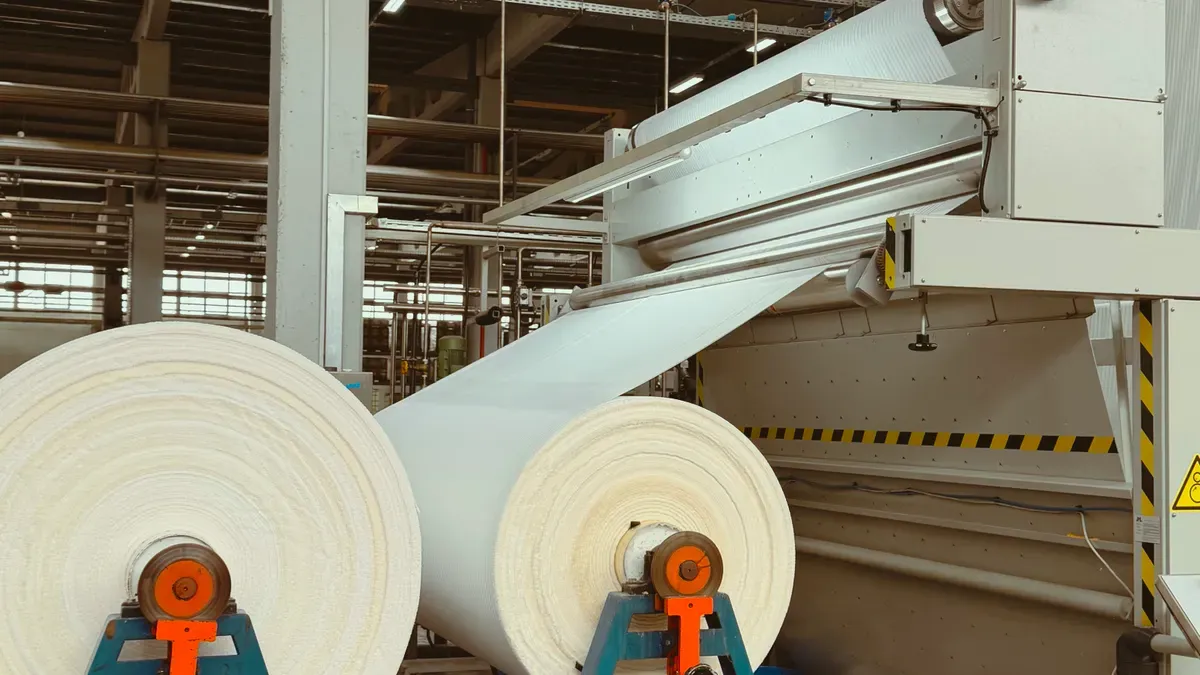
Check your material size first. Do this before buying a machine. Big parent rolls weigh a lot. Unwind diameters reach up to 1600mm. They put stress on slitter frames. These huge rolls need total stability. They require more motor torque too. This helps control acceleration very smoothly.
Sanhui Machinery builds great wide web machines. They move heavy master rolls easily. Heavy-duty models hold over 3000 kg.
Pick the right setup today. It protects your material from moving. This reduces downtime in your factory. It increases yield from each roll.
Assessing Production Speed and Volume Requirements
Your target volume guides speed choices. It helps set daily output goals. Fast slitter rewinders speed up production. They increase total job output quickly. Industrial slitter rewinders process material best. They work great for busy plants.
|
Machine Category |
Max Operational Speed |
Key Application Focus |
|---|---|---|
|
Up to 600 m/min |
Continuous high-volume runs |
|
|
Narrow-Web Slitters |
Up to 200 m/min |
Small batch precision work |
A high-performance slitter works continuously. It cuts materials with full accuracy. High operational speed raises plant output. Picking the right machine ensures smoothness. It keeps rewinder performance strong always.
Match material traits to your machine. This step cuts down waste drastically. A precision slitting cutter gives clean edges. Strong converting machines keep tension stable. They handle different roll sizes easily. This setup boosts dual rewinder stability. It streamlines your workflow fast. Modern slitter technology protects your profits.
Matching Materials to Converting Solutions
Every flexible substrate needs a cutting action.
Match material properties to the right setup.
Wrong mechanisms damage soft, delicate webs.
They also increase total factory waste.
|
Slitting Technique |
Recommended Substrates & Materials |
Key Processing Features |
|---|---|---|
|
Razor Slitting |
Thin plastic films and light, delicate flexible packaging substrates |
Simple process. Needs controlled tension now. Needs smart blade placement too. |
|
Shear Slitting |
Thicker materials, specific films, and complex laminates |
Gives much cleaner edge cuts. Uses controlled cutting action well. |
|
Circular Blade Slitting |
Specialized production materials based on thickness |
Selected for good edge quality. Reduces dust. Improves final roll finish. |
Razor Slitting for Thin Films and Plastics
Razor cutting saves money on light items.
Place sharp blades on mounting bars.
Or put blades inside back-up rolls.
This cuts flexible packaging films cleanly.
It handles thin polymers very well too.
-
Razor Slitting Applications: Fits thin films and light foils. Works on delicate substrates nicely.
-
Industry Focus: Used in big packaging plants. Cuts waste and keeps edges clean.
Set up razor systems two ways.
Your setup affects cut precision today.
It changes setup time and stability.
|
Slitting Method |
Advantages |
Limitations |
|---|---|---|
|
Slitting in Air (Razor-in-Air) |
Fast setup. Highly economical. Easy blade placement. |
Low cut accuracy. Bad edge quality. Lacks good web support. |
|
Slitting in Groove (Razor-in-Groove) |
Great web support. Gives cleaner, precise cuts. Prevents web stretch. |
Blades wear down quickly. Friction creates high heat. Film edges melt easily. |
Grooved metal supports ensure precise cuts.
They help during high-speed production runs.
However, setup times take much longer.
They take longer than razor-in-air methods.
A dedicated plastic film slitting machine helps.
Proper blade alignment stops web distortion.
Shear Slitting for Paper, Foil, and Laminates
Shear cutting acts like sharp scissors.
Drive bottom and top knives together.
This scissors action cuts dense webs.
It gives great quality on laminates.
A specialized paper slitting machine helps.
It prevents rough paper edges completely.
A modern Aluminum Foil Slitting Machine works.
It makes clean cuts without tears.
Blade shape directly affects edge quality.
It controls dust during fast runs.
|
Rake Angle Setting |
Operational / Material Behavior |
Resulting Edge Quality |
|---|---|---|
|
High / Positive Rake Angle |
Cuts soft metals easily. Directs force very well. |
Leaves small burrs. Gives smooth edges. Prevents material stretching. |
|
Low Rake Angle |
Stretches soft materials often. Deforms items during cuts. |
Creates big burrs. Makes rough edges. Increases material damage. |
-
Blade Overlap Stability: Keep blade overlap set very precisely. Small limits maintain stable, clean cuts. High overlap degrades blades very fast. Low overlap makes material slip out.
-
Rake Angle & Dust Control: Bad rake angles cause micro-chipping. This creates extra dust on paper.
-
Multi-Layer Laminate Considerations: Cutting composite papers needs special bevels. Use non-stick treatments to stop delamination.
Correct blade alignment protects foil webs.
It creates smooth edges on paper.
Score Cut Methods for Non-Wovens and Textiles
Score cutting uses a rounded blade.
Press blades against hard anvil rolls.
Push blades down using pneumatic pressure.
This process crushes material fibers apart.
Score slitting suits thick non-woven textiles.
It handles non-uniform materials very easily.
It offers a very cheap approach.
It cuts tough, bulky substrates fast.
Shear methods struggle with irregular layers.
Score slitting delivers dependable cutting performance.
It speeds up non-woven fabric conversion.
An advanced nonwoven slitting machine helps. It optimizes your converting plant operations. You get high continuous output daily. It avoids manual blade adjustments completely.
Selecting right slitters protects sensitive items.
Proper slitting actions improve daily workflows.
Core Architecture of Slitter Rewinders
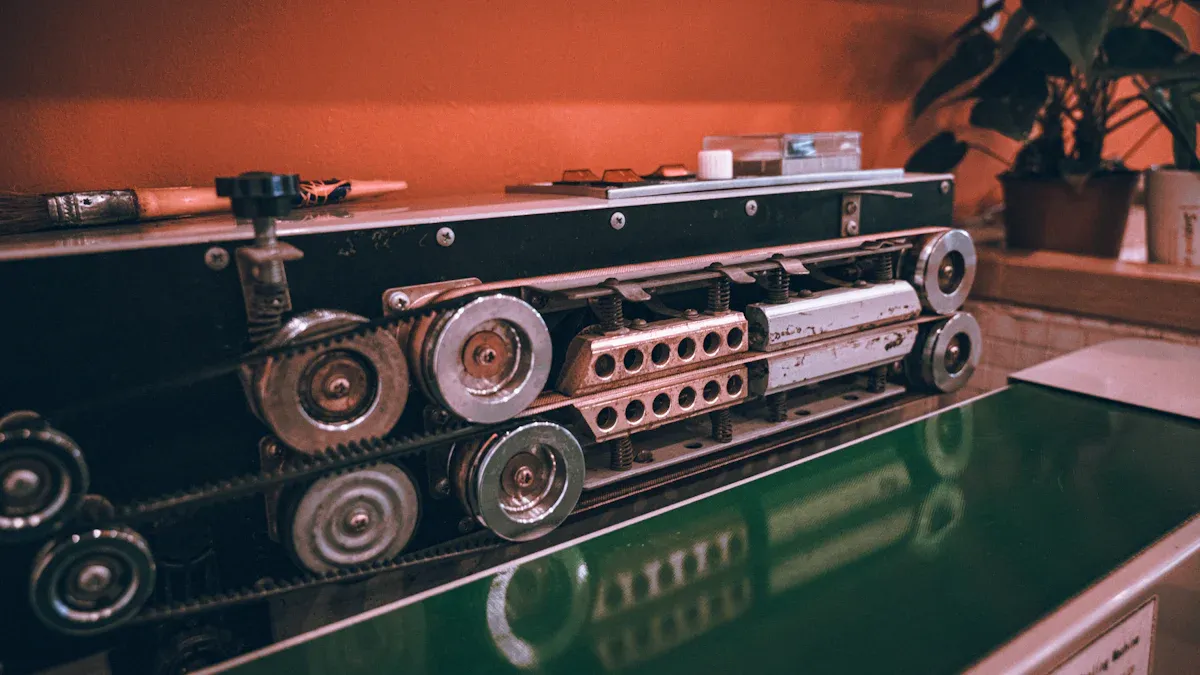
Good machine design helps your plant. Strong frame stability protects material quality.
Differential Rewind Shafts and Core Handling
Precise core control helps web tension. New slitter rewinders use differential air shafts. They balance varying web thickness well. These shafts change air pressure inside. This dynamically updates core grip strength. Internal bladders push friction parts outward. They press against core interior surfaces. Wider cores touch more friction parts. They secure higher torque than narrow cores.
Autonomous differential chucks work by themselves. They adjust to roll widths automatically. They do not need physical spacers. Dual layouts place cores accurately every time. Your main rewinder keeps edges flat. Roll end faces stay within ≤0.5mm.
Machine Frame Rigidity and Vibration Control
Factory layouts influence machine space needs. Vertical models save space for light films. Horizontal models give stability for heavy items. Rigid frames stop vibration while slitting continuously.
Sanhui builds heavy units for high production. Fast models reach 800m/min operating speeds. Precision knives keep accuracy at ±0.1mm. Wide web slitters stop web deviation fast. Rigid converting machines ensure smooth web movement. Dedicated slitter rewinders raise plant output.
Advanced Automation and Efficiency Features
Modern tools help your workflow.
Smart setups boost daily output.
They protect fragile material quality.
Closed-Loop Tension Control Systems
A modern converting machine uses active load cells.
These sensors track active tension.
They send signals to controllers.
Controllers spot web tension errors.
Vector drives change motor torque.
This happens in milliseconds.
-
Real-Time Measurement: Sensors track tension continuously.
-
Error Calculation: Controllers check target deviations.
-
Dynamic Response: Drives adjust motor torque fast.
Tight control stops material wrinkles.
It keeps fragile substrates safe.
Automatic Web Guides and Edge Trimmers
Fast runs need straight edges.
Tracking tools keep webs centered.
This cuts extra material waste.
|
Sensor Type |
Detection Mechanism |
Transparent Film Performance |
|---|---|---|
|
Optical Sensors |
Light rays and contrast |
Clear light passes through films. They perform very poorly. |
|
Ultrasonic Sensors |
Acoustic sound waves |
Sound waves ignore clear film. They offer high reliability. |
Ultrasonic tools guide clear films.
They route webs into trimmers.
Automated units speed up work.
They need no human supervision.
A modern slitter rewinder machine works.
It makes clean roll edges.
Sanhui Machinery Automated Slitter Controls
Sanhui Machinery makes good machines.
They add automated positioning setups.
Operators touch smart digital screens.
They enter job dimensions directly.
💡 Smart Recipe Memory: Saved setup profiles set blade spacing. They fix web pressure automatically. They change speeds for fast job switches.
-
Motorized Knife Positioning: Servo motors shift knife holders. They move blades into place.
-
Reduced Downtime: Smart recipes skip tool measurements. They stop manual setup delays.
Automated tools boost plant yield.
Every Sanhui slitting setup works.
It maximizes roll core output.
You save high labor costs.
An automated converting machine helps.
It guarantees great edge accuracy.
Our specialized slitter designs work.
They simplify busy job schedules.
You raise factory output fast.
You run each rewinder smoothly.
Plant Safety, Footprint, and Return on Investment
Ergonomic Loading and Safety Guarding
Floor-level shaftless unwind stands move rolls easily.
They lift web rolls straight up.
You stop using risky overhead cranes.
Shaftless holding removes heavy air shafts.
Your team avoids bad physical strain.
Modern protective slitter guarding shields workers well.
This keeps your plant safe today.
|
Optimization Goal |
Machinery Feature |
Benefit to Operations |
|---|---|---|
|
Floor Space Optimization |
Open "C-shaped" frame design |
Saves plant space and helps access rolls easily. |
|
Operator Safety |
Shaftless core holding & floor pickup |
Removes manual shaft work and stops injuries fast. |
Compact Footprint and Space Optimization
Open C-shaped frames save valuable space.
This smart layout leaves a tiny footprint.
You touch rolls easily without building fixes.
A compact converting machine fits tight spots.
Clean web paths keep performance very smooth.
Smart slitter layouts keep floors clean.
Maintenance Durability and Total Cost of Ownership
Heavy steel frames cut future repair costs.
Rigid structures stop hard shaking at speed.
Your workers spend less time fixing breakdowns.
A durable wide web slitting machine raises total output.
Modern slitter rewinders increase your total profits.
You raise plant work and lower scrap.
This steady tool helps your workflow daily.
Picking a wide web slitting machine takes clear steps.
You review core details to boost factory output.
|
Evaluation Category |
Critical Selection Parameters |
|---|---|
|
Material Attributes |
Thickness limits, tension sensitivity, roll dimensions |
|
System Hardware |
Frame stability, slitting mechanism, web guides |
|
Process Control |
Closed-loop tension accuracy, target operational speed |
Good slitter rewinders save valuable raw materials.
Sanhui Machinery acts as your dependable partner.
We build custom slitters that reduce factory downtime.
Every single converting machine yields better edges.
Talk with Sanhui Machinery engineers right now!
Ask for custom gear tips and set up trials!
FAQ
How do differential shafts improve roll quality?
Special shafts balance core pull force.
They fix uneven web thickness.
This makes your rewinder precise.
Roll ends stay under ≤0.5mm.
What maximum speed can high-performance wide web slitters reach?
Fast models reach 800m/min.
Normal units hit 200–400m/min.
Cuts stay precise at ±0.1mm.
Accuracy stays strong at speed.
Which slitting method works best for plastic films?
Razor blades trim light films cleanly.
This saves money on job setups.
Shear tools cut thick plastics best.
They stop burrs and film stretching.
How does a closed-loop tension system prevent web wrinkles?
Sensors check web pull force constantly.
Smart controls spot errors right away.
Motors change power in milliseconds.
This fast fix stops material wrinkles.
Why should you choose a shaftless unwind stand for heavy rolls?
Shaftless stands raise big rolls up.
They lift items off floor surfaces.
You skip using dangerous overhead cranes.
This protects workers from bad injuries.
It speeds up loading tasks daily.