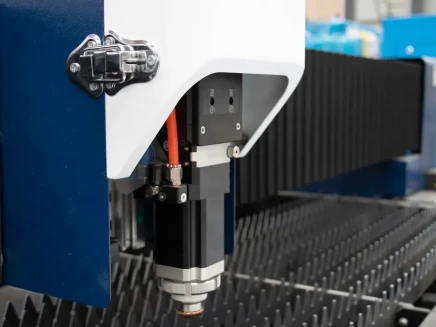
Narrow Width Slitting Machine The ULTIMATE Guide to Selection & Features
Choosing the right narrow width Slitting Machine means matching technical settings to your material. This includes flexible films, specialty paper, aluminum foil, and nonwovens. You need to check five main operational metrics. Look for minimum slitting width options down to 10mm. Check for slitting accuracy up to ±0.1mm. Aim for line speeds reaching 800m/min. Make sure it has automated closed-loop tension control types. This complete guide helps you choose the right slitter. It helps you pick one for your factory floor. Learning these key factors helps you cut narrow webs fast. It prevents ugly web wrinkles during the cutting process. Buying a strong slitting machine boosts your production efficiency. It also stops expensive material waste in your plant.
Key Takeaways
-
Pick razor, shear, or crush slitting for your material.
-
Automatic web guiding and closed-loop tension systems stop roll wrinkles.
-
Easy controls and automatic knife positioning speed up job changes.
-
Check roll dimensions and machine speed to boost plant output.
-
Check blades daily for precise cuts and safe worker operations.
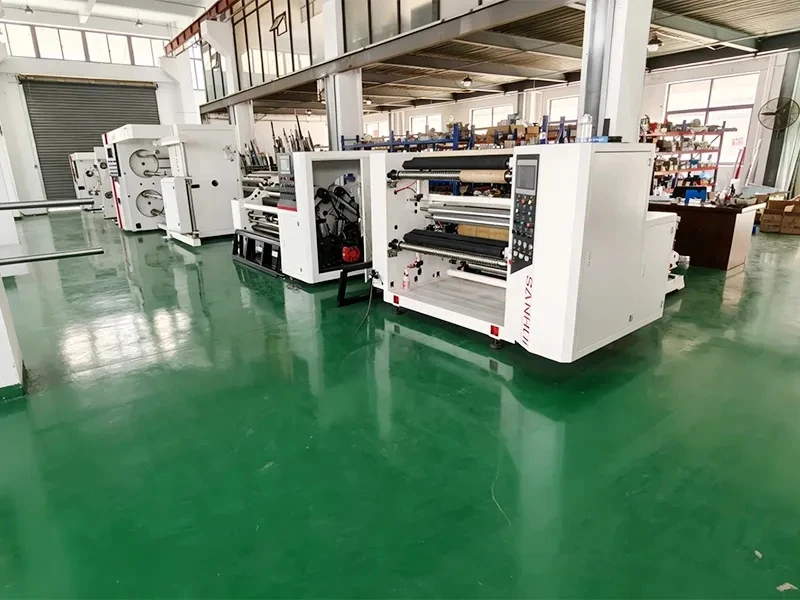
Narrow Web Slitting Methods and Materials
Precision Razor Slitting in Groove vs Air
You pick narrow web slitting methods carefully. Material traits change how you do this. Thickness and strength guide your machine settings. Thin films need industrial razor slitting most. It cuts costs on soft flexible films. In-air setups allow super fast tool shifts. In-groove style holds the moving web better. Good support makes cuts look much better. Smart slitting boosts overall factory web output.
Rotary Shear Slitting for Films and Foils
Thick films and hard foils need tough methods. Strong papers need these heavy tools too. Rotary shear blades easily cut rough materials. Paired circular knives slice like sharp scissors. This style creates narrow strips without rough edges. Rotary shearing works well at top speeds. Many machines use shear blades for foil cuts.
Score and Crush Slitting for Nonwovens
Score slitting pushes round blades against hard steel. Crush tools work well on nonwoven fabrics. They also cut thick sticky paper labels. Very tough webs dull light razor blades fast. Strong mechanical force cuts hard fibers smoothly. This method keeps strip widths very accurate. Modern plant workers trust these smart methods today.
Substrate Compatibility Matrix for Converting
You must check web type and thickness carefully. Track line speeds and running costs too. Right setups improve web roll cutting operations.
|
Paper Substrate / Property |
Material Characteristics |
Slitting Considerations |
|---|---|---|
|
Recycled Content & Clay Coatings |
Rough outer surface |
Quick blade wear; needs strong shear knives |
|
Tissue & Towel Grades |
Soft light paper |
Needs sharp edges to prevent paper tears |
|
Kraft & Linerboard |
Very tough fibers |
Demands hard steel blades for heavy impact |
Proper narrow web slitting protects your raw stock. Correct blade selection ensures big daily output. Great machine setups raise overall work quality fast.
Sanhui Machinery Slitting Machine Anatomy and Features
Engineers build each slitting machine strong. Tough frames block motor shaking. You run webs at 800m/min. The machine stays very quiet. Strong parts balance core items well. This strong body brings high accuracy.
 -----------------------------------------------------------------------
|                   SANHUI MACHINERY CORE ARCHITECTURE                  |
|                                                                       |
|  [Unwind Section] ===> [EPC Web Guide] ===> [Precision Slitting Zone] |
|                                                    ||                 |
|                                                    \/                 |
|  [Finished Rolls] <=== [Differential Shafts] <=== [Tension Control]   |
 -----------------------------------------------------------------------
Closed-Loop Tension Control Systems
You manage web pull easily. Use the simple touch screen. The screen tracks speed fast. It checks roll size changes. Auto controls keep pull smooth. Smooth pull guards delicate films.
Sensors help your line run fast:
-
Continuous Real-Time Data Capture: Sensors track web pull forces live.
-
Instantaneous Signal Processing: Data moves to the PLC fast.
-
Rapid PID Algorithm Execution: The PLC calculates math fixes fast.
-
Millisecond Servo Corrections: Motors fix tiny errors right away.
EPC Web Guiding and Edge Correction
EPC systems hold webs straight. Optical sensors watch web edges. Motors move the frame fast. This fixes side shifts quickly.
Key Precision Metric: The machine cuts to ±0.1mm. Finished roll sides stay flat.
This precise tracking protects soft items:
-
Thin BOPP films
-
Tough PET layers
-
Pure aluminum foil
-
Self-adhesive labels
Smooth web moves stop bad roll shapes. You make neat rolls every time.
Arbor Rigidity and Deflection Management
Thick steel shafts hold your blades. Great building stops shaft bending. Rigid shafts keep blade gaps tight.
Straight shafts bring great perks:
-
Longer knife life
-
Clean edges with no burrs
-
Less reset delay time
Stable shafts make good cuts always. Sharp cuts save your blades. You make more good goods.
Static Elimination and Dust Collection
Fast web moves build static charges. Ion bars remove static quick. No static keeps web rolls clean.
Vacuums suck away fine cutter dust. Air paths catch small bits fast. Clean tools deliver great output.
You protect delicate web films well. Key slitting machine perks include great edges. They offer fast runs. You cut web waste down. A narrow width slitting machine boosts work.
Advanced Automation in Modern Slitter Rewinders
Modern slitters boost plant work. Digital tools help them run fast. Auto controls speed up changes. They keep roll cuts exact.
Automatic Knife Positioning Systems
Manual setups take too long. Auto knife systems save time. One button moves all tools. Mechanics set blades fast. Top and bottom knives move together. You clear rolls at the same time.
|
System Type |
Average Setup Time per Knife |
Key Positioning Feature |
|---|---|---|
|
Manual Knife Positioning |
10–20 seconds |
Needs manual unlocks and checks |
|
Automatic Knife Positioning |
3–5 seconds |
Auto tools move knives together |
Auto setups let staff multitask. Workers pack finished rolls easily. Lines never stop running.
Programmable PLC Core Loading Recipes
Operators save run data fast. They tap the simple screen. Digital recipes store line speeds. They save tension levels too. Core sizes load right away.
Automation Advantage: Saved recipes stop worker mistakes. They boost small batch output.
Saved commands cut setup time. Pick a profile now. Start your cutting job fast. Do not run test cuts.
Quick-Change Tooling and Differential Shafts
Special shafts fix pull issues. Inner shafts spin fast. Outer rings slip on purpose. Air controls total torque power. Pressure stays at 20 to 60 psi.
Systems adapt to thickness shifts. Smart chucks grab cores tight. They stop bad paper dust. New tech brings real perks. Every slitting machine works well. Systems fit many cutter types. Machines switch job setups fast. Your slitting machine never stops working.
How to Choose the Right Slitter for Your Production
Picking plant equipment needs good plans. Check your materials first. Know your target output. Know your room limits too. Choosing the right slitter boosts your efficiency. It stops bad web mistakes.
Evaluating Master Roll and Unwind Specs
First, check your big raw rolls. Measure parent roll width and size. Note the roll weight too. Standard unwinders fit 800mm to 1600mm rolls. Match these specs to finished roll sizes. Finished rolls measure 600mm to 1200mm.
[Master Unwind Roll: 800mm - 1600mm]
                │
                ▼ (Precision Tension Control & Slitting Zone)
                │
[Finished Rewind Roll: 600mm - 1200mm]
Heavy parent rolls need floor pickup stands. Use strong hydraulic arms. Heavy coil setups protect your plant workers. Sanhui Machinery builds custom heavy unwinds. We offer full technical help. Custom frames fit your shop floor easily.
Matching Minimum Slit Width and Core Sizes
Next, pick your exact cut shape. Strip width sets your arbor knives. Standard machines cut down to 10mm. Blades stay steady while cutting.
Production Tip: Small cores need smart differential shafts. They keep pull steady on every strip.
Check core needs for narrow web jobs. Standard 3-inch and 6-inch shafts work well. Wrong shaft sizes cause loose inner wraps. They make uneven, bad rolls. Sanhui Machinery offers custom core adapters. They keep every roll shape steady at high speeds.
Speed Capacity and Motor Power Selection
Finally, choose your machine speed and motor power. Basic models run at 200m/min or 400m/min speeds. High-speed units hit 800m/min for big output factories.
|
Material Category |
Processed Substrate |
Speed Rating |
Tension Control Range |
Blade / Tooling Type |
|---|---|---|---|---|
|
Rigid Synthetic Films |
BOPP / BOPET |
Up to 800 m/min |
High (150–300 N) |
Sharp circular cutters |
|
Flexible Synthetic Films |
PE / CPP |
Moderate (200–400 m/min) |
Low (50–150 N) |
Standard razor blades |
|
Foil & Composite Materials |
Aluminum foil / Laminates |
Up to 200 m/min |
Ultra-low |
Precision sharp knives |
Thin films need low speeds. Slow speeds stop film stretch. Soft items need low web pull zones. Hard synthetic films run fast on servo machines. Modern slitters offer full speed controls. They handle tough factory jobs well.
A top slitting machine makes neat cuts. It creates flat roll edges. A new narrow width slitting machine cuts tight widths. It cuts machine repair downtime. Sanhui Machinery builds machines for strict plant goals. We help increase your overall output.
Step-by-Step Selection Guide and TCO Analysis
Material Audit and Slit Width Tolerances
Start by checking your main roll items.
Measure thickness shifts on soft films and paper.
Each web needs the right tool setup.
Set your clear work limits early on.
Great machines keep tight cuts to ±0.1mm.
Exact widths stop bad edges on rolls.
Footprint Power and Utility Requirements
Check your floor space and power needs first.
New slitting machine units need stable air power.
They also need steady electrical supply lines.
💡 Facility Planning Note: Check motor power and air needs early. Verify room humidity before machine setup.
|
Utility Category |
Typical Requirement |
Plant Preparation |
|---|---|---|
|
Pneumatic Supply |
0.6–0.8 MPa |
Clean dry compressed air |
|
Electrical Power |
15–45 kW |
Stable three-phase voltage |
|
Floor Footprint |
3.5m x 2.8m |
Reinforced concrete pad |
Total Cost of Ownership and ROI Calculation
Look beyond the first equipment price tag.
Count daily power bills and replacement blades.
Track worker time and total labor costs too.
A modern slitting machine cuts reset delay time.
Smart auto tools save big money fast.
Fast speeds cut bad web waste quick.
Higher output brings fast money gains back.
Critical Selection Mistakes to Avoid
New buyers make big errors. These mistakes cost much money. Avoid these bad choices now. Your plant runs better.
Overlooking Substrate Thermal Expansion
Fast runs make friction heat. Heat stretches thin soft plastic. Unchecked heat ruins soft films. Rolls lose their neat shape. Cool rollers absorb excess heat. Good cuts protect warm edges.
Inadequate Web Tension Zone Isolation
Bad pull ruins your cuts. Shrinking rolls change pull strength. Separate pull controls for all parts.
⚠️ Process Warning: Bad pull causes web wrinkles. Films stretch and edges fail.
New slitters use small servo motors. Independent motors keep pull steady.
Neglecting Blade Debris and Dust Extraction
Cutting creates fine surface dust. Small bits ruin clean rolls. Dust dulls sharp blade edges.
|
Debris Type |
Direct Equipment Impact |
Recommended Feature |
|---|---|---|
|
Paper Micro-Fibers |
Rapid blade dulling & raw edge burrs |
High-power vacuum extractors |
|
Plastic Shreds |
Material surface contamination |
Specialized extraction methods |
Put air vacuums near blades. Clean areas help blades last. A narrow width slitting machine stops waste.
Operator Maintenance and Equipment Care
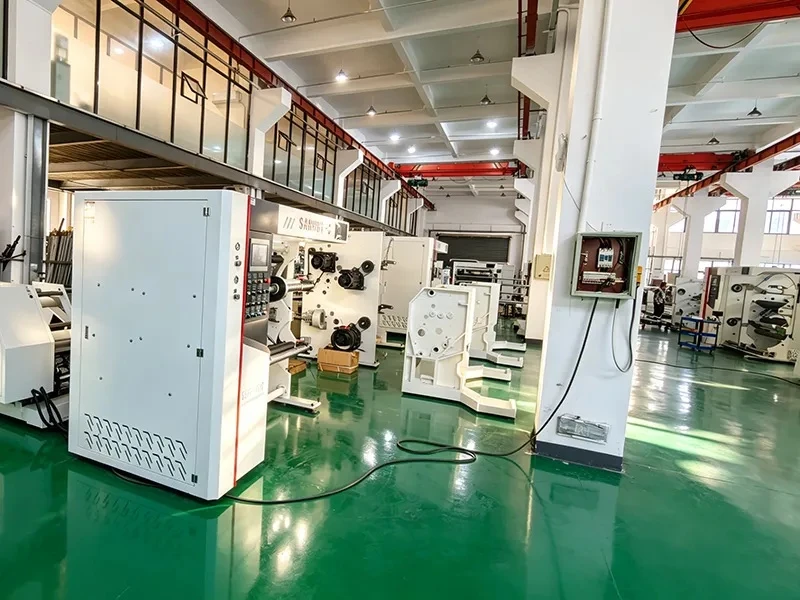
Daily care keeps your slitting machine running. Good habits stop quick wear. They protect cut quality on every roll.
Daily Blade Inspection and Alignment
Check your slitting tools before each shift. Look at blade seats. This stops bad side shakes. It stops uneven tool wear. Use a small magnifying glass. Look for tiny scratches or nicks. Check blade gaps with a thin gauge. This keeps your line settings exact.
|
Maintenance Task |
Frequency |
Method & Tools |
Acceptance Standard |
|---|---|---|---|
|
Visual Edge Inspection |
Per shift |
10x magnification loupe |
Zero chips exceeding 1mm in depth |
|
Overlap Setting Check |
Every shift change |
Feeler and dial gauge |
Adherence to OEM standards (±0.2mm tolerance) |
Wipe blade faces after your work ends. Remove all sticky dust and oils. Daily cleaning helps blades last longer. Spray dry lubricant on blade edges first. This trick cuts friction down fast. It guards your sharp tool edges.
Differential Shaft and Core Chuck Care
Clean your differential shafts often. Blow core chucks with dry air. This removes trapped paper dust. Check inner friction rings for wear. Swap old parts fast. This keeps pull steady across all rolls.
Safety Interlocks and Guarding Protocols
Protect your team with strong guards. Use smart light sensors too. Modern slitting machine units use physical doors. Active light curtains guard fast cutting zones.
|
Safety Feature |
Guard Specifications & Interlock Standards |
|---|---|
|
Interlocked Blade Guards |
• Constructed from blade-impact-rated Lexan material |
|
Light Curtain Systems |
• Must meet Category 4 safety rating specifications |
Test stop buttons every morning. Check light sensors daily too. Safe habits protect workers from harm. They prevent surprise machine stops. A narrow width slitting machine runs best. Clean tools keep your plant safe.
Pick a good slitting machine. Set top priorities first. Check strong frame builds. Need smooth auto pull. Want sharp knife spots. These features save materials. They make exact cuts fast.
Sanhui Machinery helps you. We build trusted tools. Our modern slitting machine units work well. They simplify narrow web cuts.
💡 Ready to Upgrade? Call our experts now! Get custom film tests. Ask for machine prices today!
markdown
FAQ
What materials can you process with a narrow width slitting machine?
Cut plastic film. Cut smooth paper. Slice thin foil. Cut soft cloth. Sanhui cuts thin films. It cuts tough labels. Sharp tools protect soft rolls. Smart pull guards materials.
How do you choose between different types of slitting machines?
Check main stock rolls. Measure target cut sizes. Set line speed goals. Pick smart roll tools. Choose setups for widths. Match power to pull.
What knife options work best for thin film substrates?
Use soft razor blades. Cut soft film fast. Shear knives slice foil. Shear tools cut thick rolls. Good tools make clean edges. Clean cuts stop dust.
Why are automated features important for industrial converting applications?
Auto guides hold pull steady. Smart tools stop user errors. Saved settings speed work up. Soft layers stay safe. Fast setups cut web waste. Fast lines boost output.