Why Shear Cut Outperforms Razor Cut for Aluminum Foil Slitting
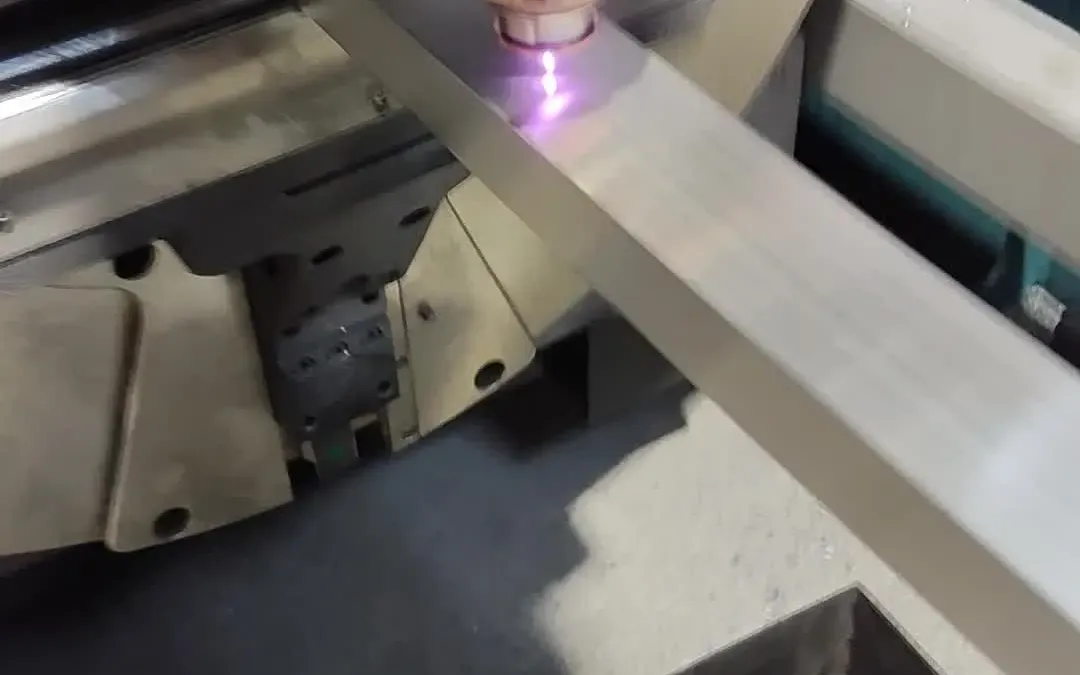
Shear slitting is the best method for cutting foil on an aluminum foil Slitting Machine. Its scissor-like cutting action removes the friction, edge tearing, and blade damage caused by old razor slitting tools.
Fixed razor blades drag through moving aluminum sheets while cutting them. This dragging process causes fast tool damage, tiny edge rough spots, and fine metal dust. Instead, top and bottom shear knives work together like spinning scissors to create the cleanest cut possible.
You get instant work benefits when you look at different cutting choices. Using shear slitting helps you boost overall production, lower material waste, create better rolls, and make your blades last longer. Checking all cutting options shows that this method works best.
Key Takeaways
-
Shear slitting uses rotating blades to cut aluminum foil neatly, just like a pair of household scissors.
-
Razor blades drag across moving foil, which quickly wears down the blade and creates metal dust.
-
Cutting like a pair of scissors makes smooth, clean edges and prevents expensive material tears.
-
Sanhui Machinery slitting machines make precise cuts while keeping the metal sheet tension steady.
Shear Slitting vs Razor Slitting Mechanics
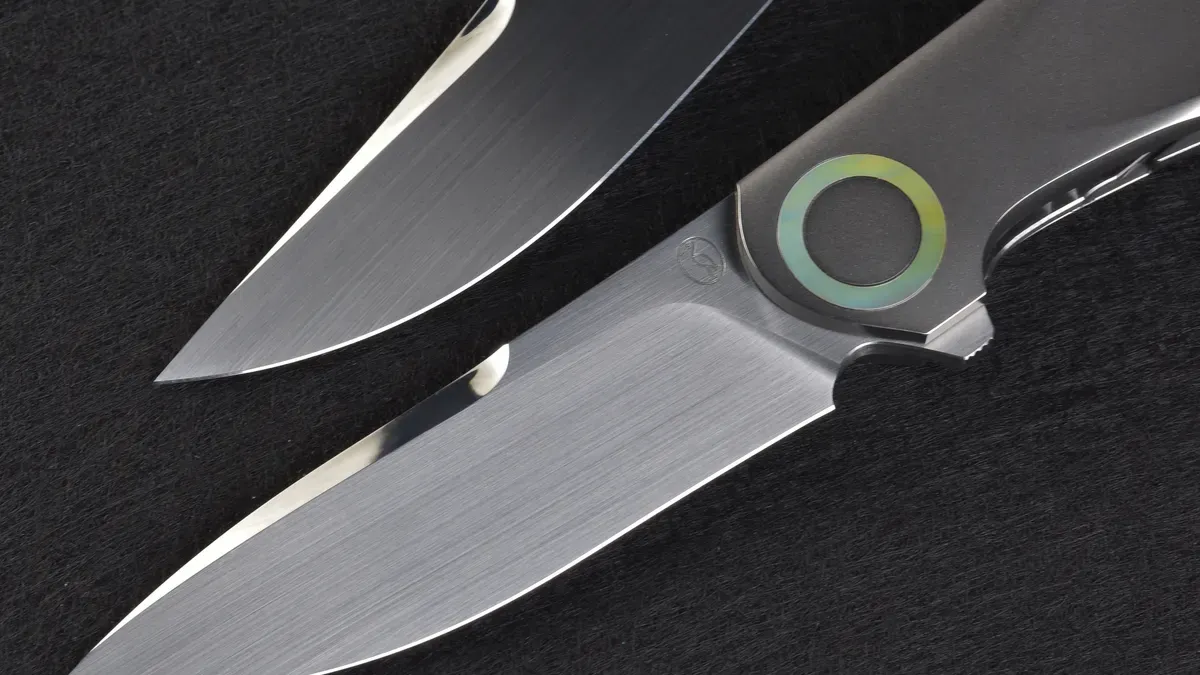
Choosing the right cutting technique is vital when converting flexible roll materials. Fixed blades cause major machine problems during razor cutting of thin metal rolls. Razor slitting uses strong material pulling force and blade depth to split metal sheets. The sharp blade drags heavily through the moving metal like a stationary garden plow. Metal sheets create constant friction heat against the stuck steel edge. This hot friction causes fast blade wear, sheet stretching, edge tearing, and uneven cut width.
Limitations of Razor Slitting on Foil
Soft metal sheets quickly ruin still steel edges during normal factory work. A single fixed blade dulls fast from heavy friction, which ruins exact cut alignment. The dull edge pulls hard against the moving metal instead of making smooth cuts. This pulling motion causes tiny edge tears, twisted sheets, rough metal burrs, and lots of dust.
|
Slitting Method |
Suitability for Aluminum Foil |
Claimed Accuracy for Slit Width |
|---|---|---|
|
Recommended; ideal for applications where clean edges and slit accuracy are paramount. |
Described as offering "precise slit accuracy" and "accurate slit widths" with proper alignment. Provides precise slit width control. |
|
|
Razor Slitting |
Can be used for aluminum foil. |
Tends to sacrifice accuracy, leading to less precise cuts due to the lack of a supporting roll. |
Paper substrates, especially those containing recycled content or heavy clay coatings, act like sandpaper against the thin edge of a razor. The blade dulls within minutes of high-speed operation, leading to tearing, inconsistent cuts, and massive dust generation.
You lose product quality and total factory yield by choosing still razor blades. Razor slitting lacks a supportive lower roller, so line tightness changes quickly at the blade gap. Unstable line tightness leads to bad edge damage, constant scrap material, poor cutting control, and uneven roll shapes during high-speed rewinding.
Precision Scissor Cutting in Shear Systems
Shear slitting trades lone static blades for a two-blade spinning system. A top male knife and bottom female knife spin together to make a clean scissor cut. These overlapping spinning knives deliver perfect zero-space cuts across the entire sheet length. The matching blade movement removes friction heat entirely while keeping knife sharpness and high cutting power.
|
Parameter |
Recommended Value for Aluminum Foil |
Notes |
|---|---|---|
|
Overlap (Penetration) |
0.5 to 1.0 mm |
This is the vertical distance the male knife extends past the female knife's cutting plane. It is given as the typical starting range for foil, thin plastic, and metallized film. |
|
Cant Angle (Tilt) |
0.25 to 1.0 degrees |
This is the angle the male knife is tilted to create point contact. The provided range is general for shear slitting, not specifically calibrated for foil. |
You get smooth, burr-free edges by picking modern shear slitting. The constant scissor movement stops sheet rips and removes small metal dust. Shear slitting protects smooth factory work while holding steady sheet width on all finished rolls. Spinning blades reduce physical strain on delicate foils, keeping material safe during fast cutting work. You lower scrap waste and keep sharp edge quality on every factory run with this clever cutting design. Picking better cutting machinery saves your factory floor from expensive machine stops, useless material waste, and poor roll output.
Achieving Burr-Free Edges with Shear Slitting
Eliminating Foil Micro-Burrs and Dust
Rough foil edges create major downstream converting failures on high-speed packaging lines. When you pull metallic webs over solid guide rollers, microscopic rough spots focus mechanical stress across fragile material zones. These localized stress concentrations cause sudden web breaks during continuous processing operations, halting machinery and wasting costly material. Dull blades drag through moving webs and generate micro-scale metal flakes during everyday operation. This fine metallic dust contaminates clean-room packaging environments for medical devices, specialty food, and sensitive pharmaceutical products.
Replacing traditional razor slitting with modern shear slitting completely resolves these severe manufacturing challenges. Scissor-action cutting mechanisms provide smooth web separation across all operating production speeds. Adopting shear slitting gives equipment operators the cleanest cutting edge on flexible metallic substrates without causing severe edge deformation. Proper tool setup eliminates structural edge defects, material distortion, unnecessary blade wear, and unexpected process downtime entirely.
-
Incorrect Blade Angle: Excessive or inadequate knife edge angles crush rigid metal webs during cutting. Precision shear slitting utilizes matched blade sets featuring a 25°–30° edge bevel to execute smooth web separation.
-
Improper Blade Overlap: Excessive vertical clearance leads to incomplete material shearing and web tearing. Insufficient blade gap causes rapid tool wear and severe metal dust generation. Controlled knife overlap ensures precise cutting performance without destructive friction.
-
Non-Parallel Cutter Shafts: Shaft misalignment creates uneven blade penetration across wide web widths. Maintaining strictly parallel knife shafts removes differential stress distributions that cause severe material tearing along slit lines.
-
Inappropriate Web Tension: Fluctuation in line tension causes lateral web shifting, wrinkling, or excessive material stretching. Clean shear slitting action reduces edge sensitivity to minor process tension variations during continuous operation.
-
Excessive Friction Heat: High operational speeds generate excessive thermal energy from constant blade friction. Rotary knife setups minimize sliding drag, keeping delicate substrates cool during fast, demanding production runs.
Maintaining Tension Stability on Rewind Rolls
Stable material tension directly prevents edge distortion during continuous high-speed rewinding operations. Maintaining steady web control delivers clean slit edges across all finished product rolls, ensuring smooth unwinding during final customer application.
Equipment operators must follow the established rule of maintaining small, uniform, and appropriate taper tension rather than applying excessive winding force.
Scientific tension adjustments eliminate web defects across the full roll build, ensuring structural stability from the core to the outer diameter.
|
Defect Phenomenon |
Primary Cause Related to Tension |
Solution Involving Tension Control |
|---|---|---|
|
Layer Dislocation & Tower Coils |
Insufficient rewinding tension allows loose material layers |
Increase rewinding tension properly while enabling dynamic taper tension |
|
Inner Layer Wrinkles |
Excessive initial tension or incorrect taper settings compress inner wraps |
Apply low initial tension and increase outer force using a 10%–30% taper ratio |
|
Uneven End-Face Flatness |
Continuous tension fluctuations cause lateral layer movement |
Implement full closed-loop tension control paired with synchronized drive regulation |
You maintain consistent roll quality by synchronizing line speed with precision rotary blades. Integrated drive systems feed raw webs uniformly into the rewinding section without introducing physical strain. Lateral shaft positioning grants exact end-face alignment control during fast winding sequences. This controlled slitting method achieves uniform rewinding end face flatness ≤0.5mm on finished rolls. You protect material integrity, minimize scrap generation, and maximize total output efficiency by choosing this advanced slitting method for your manufacturing plant.
Optimizing Efficiency on an Aluminum Foil Slitting Machine
Tooling Lifespan and Downtime Reduction
Fast factory lines need tough cutting tools that last long. Modern shear slitting swaps out still blades to keep knives working much longer. Old razor slitting setups need constant blade changes because heavy rubbing wears them down fast. Fixed blades scrape non-stop against fast-moving metal sheets during everyday work. This constant rubbing dulls knife edges quickly and builds up unwanted heat. Spinning shear knives keep edges sharp across long jobs by rolling smoothly along the moving metal.
Spinning shear tools run smoothly at high factory speeds up to 800 meters every minute. Switching from fixed blades to spinning shear tools cuts down on annoying machine stops. Shear slitting vastly reduces how often you must swap out worn blades. Workers spend less time replacing dull knives and fixing small blade gaps. This reliable cutting system boosts factory output while lowering overall repair costs. Keeping machines running longer directly leads to bigger profits for high-volume packaging plants.
Sanhui Machinery Precision Knife Alignments
Sanhui Machinery builds advanced equipment to boost total factory output. A heavy frame and precision blade holders hold exact cuts within a tight ±0.1mm range. Strong frame design soaks up machine shakes during fast cutting work. This tough aluminum foil slitting machine lets you make tiny tool tweaks during complex material runs. You protect thin metal sheets from bent edges, cutting errors, and physical sheet damage.
Sanhui Machinery builds every aluminum foil slitting machine with fully automatic closed-loop tension control and EPC edge correction tools. This smart system sharpens overall process control as roll sizes change. Built-in sensors track sheet movement non-stop to hold steady material alignment.
Live system tweaks fix quick tension shifts to keep processing smooth and steady. Cuts down on unexpected web snaps, reducing scrap waste by 10–20% during fast factory runs.
The automatic edge tracking tool stops foil wrinkles and sideways sheet drift during high-speed runs. Accurate sheet guides keep raw rolls perfectly straight before entering the cutting area. Choosing shear slitting with Sanhui Machinery gear delivers top roll quality and clean edge alignment every time.
Best Practices for High-Speed Shear Setup
Configuring Knife Overlap and Cant Angle
Proper tool configuration determines final edge quality on high-speed production lines. You must calibrate top and bottom blades precisely before starting any web processing run. Setting ideal knife overlap prevents physical material damage while maintaining smooth web separation. Incorrect settings trigger immediate cutting failures during high-speed operations.
|
Parameter |
Condition |
Effect on Edge Quality |
Effect on Blade Wear/Damage |
|---|---|---|---|
|
Knife Overlap |
Too Little |
Tearing or folding of material, leaving a ragged edge |
Incomplete shearing action |
|
Knife Overlap |
Too Much |
Can distort or crimp the edge of softer materials |
Excessive friction, heat generation, and wear |
|
Side Force (Cant Angle) |
Too Little |
Torn, ragged, or folded edges due to blade separation |
Inconsistent shear performance |
|
Side Force (Cant Angle) |
Too Much |
Potential edge deformation or burnishing |
Rapid wear, dulling, and risk of blade chipping |
You cannot fix persistent burrs by sharpening blades alone. Resolving edge defects requires systematic inspection across multiple mechanical variables:
-
Blade clearance and edge wear
-
Spacer accuracy and arbor runout
-
Material strength and machine stability
Managing Pneumatic Holder Tension Control
High-speed shear slitting requires stable pneumatic side-load pressure across every knife holder. Sudden pressure drops allow top blades to push away from bottom knives during continuous high-speed operations.
At high speed, the holder occasionally lost constant side-load against the bottom knife. The upper knife momentarily separated and re-engaged, producing periodic feathering, dust bursts, and lane unloading.
You resolve quality collapse by fine-tuning pneumatic holder pressure. Low side-load force causes contact unloading, lane-to-lane inconsistency, and defect spikes at higher machine speeds. You must apply minimum effective pneumatic force to maintain reliable contact. This micro-preload optimizes force application, reduces friction, and suppresses heat generation during long runs. Maintaining uniform force control across all lanes optimizes your slitting performance. Effective shear slitting relies on this balanced tension control. Choosing this cutting method delivers pristine web edges, while proper shear slitting adjustments protect your equipment during every production slitting job.
Packaging factories should pick shear slitting instead of razor blades for flexible metal rolls. This smart method removes tiny rough spots and completely stops harmful metal dust. You get smooth cut edges while helping your knives last longer and making better finished rolls. Sanhui Machinery offers over ten years of deep research and building experience to global factories. We build each exact aluminum foil slitting machine to give you custom cutting and winding setups anywhere in the world. You can count on our modern shear slitting machinery to improve your daily factory work, stop web tears, save costly materials, and raise overall speed on every production line.
FAQ
Why should you choose shear slitting for delicate aluminum foil?
Clean edges are necessary for processing materials later. Shear slitting uses two spinning blades that work like scissors. This method stops heat from rubbing, material stretching, and rough edges. You protect thin sheets and get perfect edge quality on fast runs.
How does razor slitting compare to rotary shear systems?
Razor slitting pulls a still blade through moving material. This dragging motion causes fast tool wear, metal dust, and ripped edges. Rotary shear slitting uses overlapping top and bottom knives. You stop friction heat and keep exact width control easily.
Can an aluminum foil slitting machine handle other thin substrates?
Yes, you can cut many flexible materials easily. An aluminum foil slitting machine works on plastic films, paper, non-woven fabric, and layered materials. You keep high cutting accuracy and steady tension control across all these different items.
Why does razor cutting create unwanted dust during processing?
Still blades pull hard against moving metal sheets. This constant rubbing scrapes off tiny metal bits and dulls sharp steel edges fast. You create too much metal dust that ruins clean packaging areas. Modern spinning tools stop this wear completely.
Which slitting methods work best for high-speed foil converting?
You should compare different cutting options before choosing full-time factory equipment. Shear rotary cutting offers the best machine balance and blade life. This method cuts down on expensive machine stops and makes smooth, clean roll edges every time.