



What is a slitter rewinder machine and how does it work
A slitter rewinder machine cuts big rolls into smaller, exact rolls. These smaller rolls are used for packaging, printing, and labeling. Knowing how this machine works helps you work faster and waste less. Sanhui Machinery is a trusted company. They give you new and helpful machines for your factory.
-
The world market for slitter rewinder machines may reach USD 11.52 billion by 2032. The market could grow by up to 17% each year.
-
Companies use slitter rewinder machines to work faster and save money.
|
Benefit |
Description |
|---|---|
|
Increased Efficiency |
You turn big rolls into small ones in just one step. |
|
Precision Cutting |
You get the right size with very little waste. |
|
Cost Savings |
You spend less on workers and make more money back. |
Key Takeaways
-
A slitter rewinder machine cuts big rolls into smaller rolls. This helps factories work faster and waste less material.
-
The machine works in three main steps: unwinding, slitting, and rewinding. Knowing these steps helps the machine run well and gives good results.
-
Picking the right machine for your materials is very important. Think about what kind of material you have, how much you need to make, and what features you need for best results.
-
Sanhui Machinery makes strong machines with smart automation. These machines give steady quality and help save money on running costs.
-
Keeping the slitter rewinder machine clean and set up right can boost how much you make and lower mistakes.
Slitter rewinder machine basics
Definition and main purpose
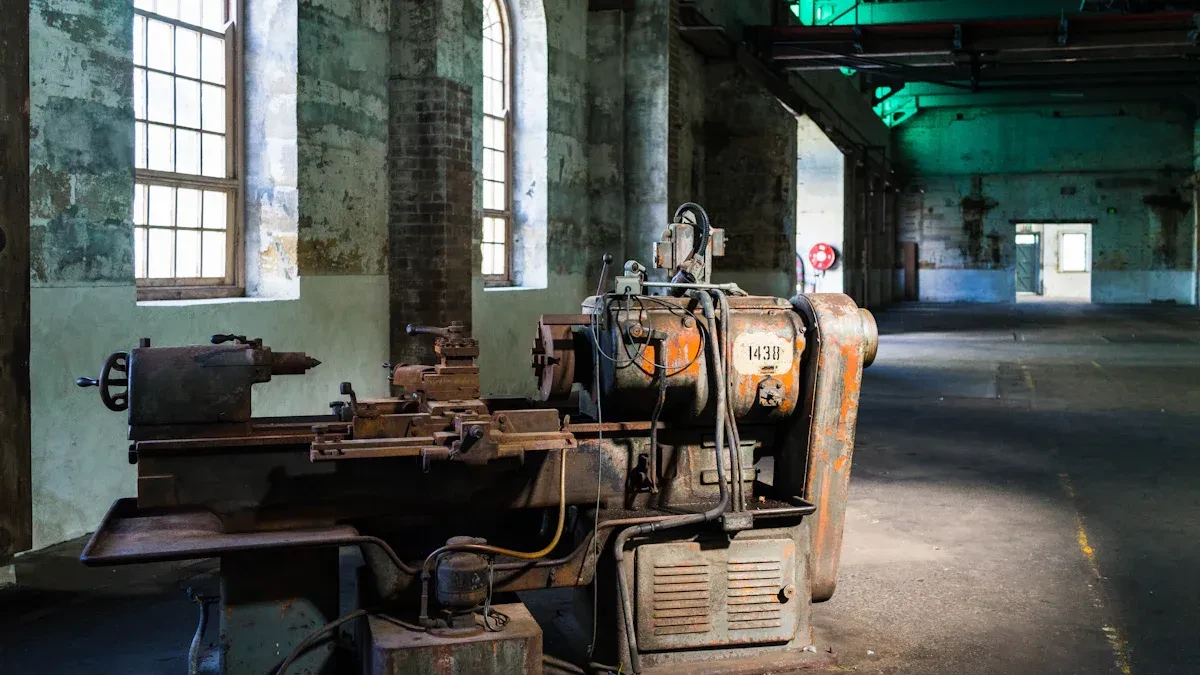
A slitter rewinder machine takes big rolls and makes them smaller. It cuts things like paper, plastic film, or labels to the size you need. You see this machine in factories for packaging, printing labels, or working with flexible materials. The main job is to make work faster, more exact, and waste less.
Sanhui Machinery is a top company for slitting equipment. Their machines are strong and use smart technology. The slitting-machine is easy to use and cuts very well. You can count on Sanhui Machinery to help you reach your goals.
Tip: If you want to save time and make less waste, a slitter rewinder machine is a good pick for your factory.
Here is a simple table that shows what a slitter rewinder machine does every day:
|
Function |
Description |
|---|---|
|
Unwinding |
The machine takes a big roll and unwinds it. |
|
Slitting |
It cuts the material into thin strips of the size you want. |
|
Rewinding |
It rolls up the strips onto new cores to finish the job. |
Each step helps you get the right size and shape for your products.
Key components overview
When you look at a slitter rewinder machine, you see many important parts. Each part does something special. You need to know these parts to use the machine well and keep it working right.
|
Component |
Role |
|---|---|
|
Unwinding Unit |
Holds the big roll and keeps the material smooth and tight. |
|
Slitting Section |
Cuts the big roll into smaller pieces using different ways. |
|
Rewinding Unit |
Rolls up the cut strips onto small cores and keeps them tight. |
|
Control System |
Lets you set how fast and tight the machine works. |
|
Safety Features |
Keeps you and your team safe when using the Slitting Machine. |
You start with the unwinding unit. The slitting section cuts the material into strips. The rewinding unit rolls each strip up tight and neat. The control system lets you pick the speed and how tight the rolls are. Safety features keep everyone safe while working.
Sanhui Machinery’s slitting equipment gives you more good things. The machine is small and saves space in your factory. The tension stays just right, so your rolls look good. You can change materials and blades fast, so you work quicker. Sanhui has many models, so you can choose the one that fits your needs and money.
If you work with paper, you might use a paper slitter and rewinder or a paper slitting machine. These machines help you cut and roll up paper with high accuracy. You can also use a slitter for plastic film, aluminum foil, or sticky labels. Sanhui Machinery’s slitting-machine works well for all these materials.
Note: Picking the right slitter and rewinder helps you do better work and makes your job easier.
How a slitter rewinder machine works
A slitter rewinder machine changes big rolls into smaller rolls. There are three main steps: unwinding, slitting, and rewinding. Each step helps you get the right size and shape. You can see these steps when using a paper slitter and rewinder in a factory.
Unwinding process
First, you put a master roll on the machine. The unwinding unit holds the roll steady and keeps it smooth. You can use many materials, like:
-
Nonwoven fabrics
-
Paper
-
Plastic films
-
Laminates
-
Foils
-
BOPP
-
CPP
-
PET
-
PVC film
-
Printed laminates
-
Aluminum foil
-
Kraft paper
-
Coated paper
-
Thermal paper
-
Release liners
-
Adhesive tapes
-
Medical materials
The machine unwinds the roll so the material moves to the next part. You control speed and tension to keep the material flat. This stops wrinkles and helps with accurate slitting.
Tip: To get smooth rolls and less waste, keep the material tight and even during unwinding.
Slitting process
The slitting section cuts the material into strips. You can use different slitting methods, depending on what you need. Here is a table showing common slitting ways:
|
Slitting Technique |
Description |
Advantages |
Best For |
|---|---|---|---|
|
Razor Slitting |
Uses razor blades for clean cuts on thin materials. |
Low cost, easy setup |
Plastic films, thin laminates |
|
Shear Slitting |
Uses rotary knives for precise cuts, like scissors. |
High speed, long blade life |
Paper, metal foils, films, nonwovens |
|
Score Slitting (Crush Cutting) |
Uses a circular knife to crush the material and make slits. |
Good for tough, thick materials |
Foams, fabrics, rubber, laminates |
You get clean edges and keep the material strong. The slitter uses sharp blades and lines up the material carefully. Every strip is the same width. You can cut strips as narrow as 0.375 inches. This is important for packaging and electronics.
You check the machine often to keep slitting accurate. Specialists look at the work and follow strict rules. This helps avoid mistakes and keeps products high-quality.
Note: If you want to cut paper, plastic, or foil with high precision, use a paper slitter and rewinder or a slitter rewinder machine with advanced automation.
Rewinding process
After slitting, you roll each strip onto new cores. The rewinder unit keeps the tension even and lines up the edges. Good tension control stops defects like wrinkles or telescoping. The machine uses three tension zones: unwind, slitting, and rewind.
You get rolls that are tight, flat, and ready for storage or shipping. Proper edge alignment makes rolls neat and helps with later processing.
-
The rewinding process rolls slit strips onto cores or shafts.
-
Even tension keeps the material strong and stops defects.
-
Good edge alignment helps with storage and shipping.
Sanhui Machinery’s slitting-machine uses smart automation to help you work faster. You get features like computerized controls, PLC systems from Schneider and Siemens, and video inspection reports. These features make your job easier and improve roll quality.
Callout: If you want rolls with perfect tension and clean edges, pick a slitter rewinder machine with smart automation and precise controls.
You can use a slitter for paper, film, foil, and labels. The machine works for small batches and big production runs. You save time, reduce waste, and get high-quality rolls every time.
Types of slitter rewinder machines
There are different types of slitter rewinder machines. Each type is best for certain jobs and materials. A paper slitter and rewinder works for paper, film, or labels. Other slitters can handle different materials. Let’s see what the main types are.
Center winding
Center winding machines hold the roll by its core. You use this type for soft or delicate materials. The rolls stay small and neat. You get good rolls for paper, film, foil, and tape. Many factories use center winding for soft or uneven materials.
|
Feature |
Center Winding |
|---|---|
|
Support |
Primarily supported by its core |
|
Material Suitability |
Suitable for sensitive materials |
|
Roll Diameter |
Generally smaller diameter rolls |
|
Key Applications |
General-purpose converting of paper, film, foil, and tape |
Industries use center winding when they need soft rolls. It is also good for materials that can get damaged easily.
Surface winding
Surface winding machines use the outside of the roll to wind it up. This type is for bigger rolls and tougher materials. Surface winding works well for textiles, nonwovens, and paper. You get rolls with bigger diameters. Factories making special composites or nonwovens use this type a lot.
|
Feature |
Surface Winding |
|---|---|
|
Support |
Utilizes surface contact |
|
Material Suitability |
Better for non-sensitive materials |
|
Roll Diameter |
Larger diameter rolls |
|
Key Applications |
Extensible and non-extensible materials like nonwovens and paper |
Tip: If you work with strong materials, surface winding gives you big and sturdy rolls.
Duplex and simplex designs
Duplex and simplex designs change how the machine runs. Duplex systems let you keep working without stopping. You get more work done and can switch rolls fast. Simplex systems need you to stop for maintenance. Duplex designs help you make more rolls in less time. You use duplex slitter and rewinder machines for big jobs and when you need to work all the time.
|
Feature |
Duplex Systems |
Simplex Systems |
|---|---|---|
|
Operation |
Continuous operation with no downtime |
Requires isolation for maintenance |
|
Uptime |
Achieves 99% uptime in critical operations |
Subject to planned and unplanned downtime |
|
Maintenance |
Allows servicing without stopping the process |
Needs to be bypassed for maintenance |
|
Production Capacity |
Higher due to continuous operation |
Limited by maintenance requirements |
|
Flexibility |
Greater due to instant switch-over capabilities |
Less flexible, as it requires downtime for changes |
You can choose a duplex slitter for big and important jobs. Simplex designs are good for smaller batches.
Sanhui Machinery gives you many options. You can ask for your own logo, packaging, or graphics. You only need one set to start. Sanhui can make a slitter rewinder machine that fits your factory and materials. You get a machine that matches what you need.
Note: If you need a special paper slitter and rewinder or a slitter for unique materials, Sanhui Machinery can make your machine just for you.
Features and benefits of Sanhui Machinery slitting-machine
Precision and automation
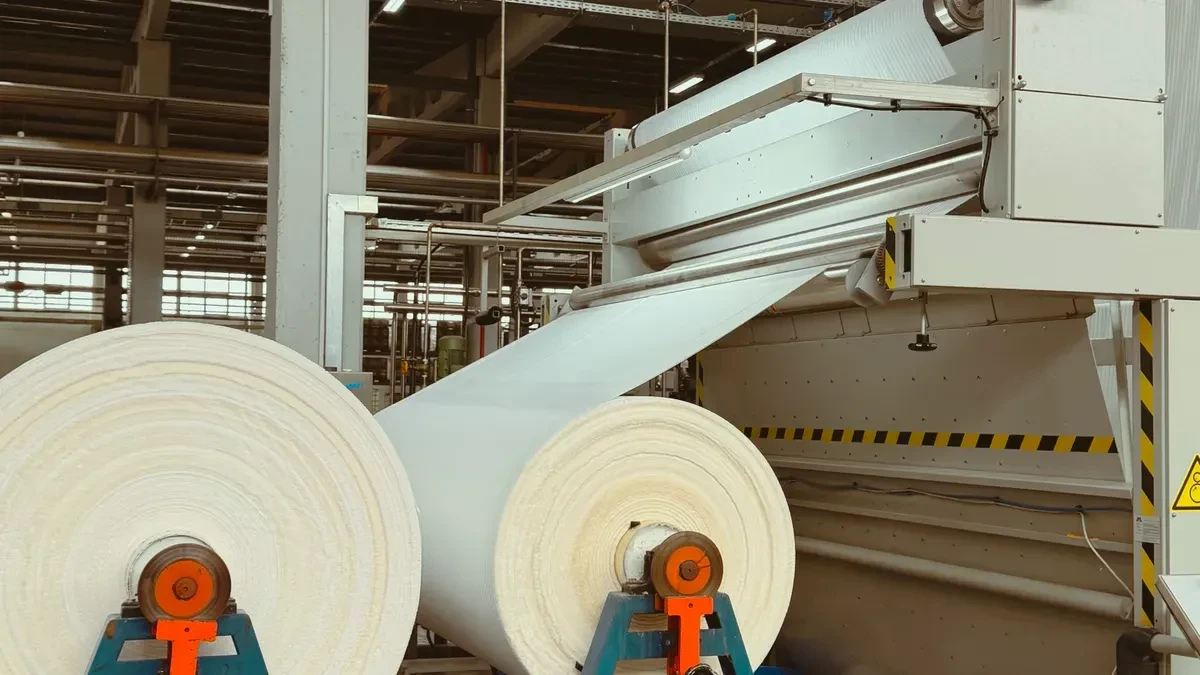
Sanhui Machinery’s slitter gives you good results every time. The machine cuts with high precision, so edges are clean and rolls look the same. You use a touch screen and PLC system to control everything. This setup helps you match speed and tension without doing it by hand. You make fewer mistakes and rolls stay tight. Mechanical tension control keeps the material steady. You see less wrinkles and fewer defects.
Here is a table with important features:
|
Feature |
Description |
|---|---|
|
Mechanical Tension Control |
Keeps rolls tight and smooth during slitting. |
|
High-Precision Circular Knives |
Delivers ultra-clean edges without burrs or dust. |
|
Intelligent Control |
Lets you set speed and tension with a touch screen and PLC. |
Advanced tension control stops the material from changing shape. Every roll has the same quality. Real-time monitoring changes tension for different materials. This makes products better and cuts down waste.
Tip: Using smart automation and high precision cutting saves you time and money.
Versatility and applications
You can use the slitting-machine for many kinds of materials. It works with paper, aluminum foil, PVC, plastic film, and non-woven fabrics. You see this machine in packaging, printing, labeling, and food factories. The rewinder handles rolls for paper, composite films, and metallized films.
Here is a table showing materials and industries:
|
Materials Processed |
Industries Used |
|---|---|
|
Paper (offset, coated, PE-coated, white) |
Paper product processing |
|
Aluminum foil |
Printing and packaging |
|
PVC, BOPP, PET, CPP, PE, PS |
Packaging, printing, plastics industries |
|
Composite films, metallized films |
Food packaging, daily chemical products |
|
Non-woven fabrics |
Non-woven industry |
You get fast work, good quality, and less downtime. The machine makes rolls with flat edges and the same width. You can change materials quickly. You work faster and make more products.
Sanhui Machinery helps you with installation and training. You get technical support all day and quick repairs if needed. The company gives you a warranty for the machine and main parts.
|
Service Type |
Description |
|---|---|
|
Installation and Training |
Takes 3–5 days, includes operator training. |
|
Technical Support |
Available 24/7, remote guidance for faults. |
|
On-Site Repair |
Repairs arranged within 72 hours if needed. |
Note: You feel safe with strong customer support and a warranty from Sanhui Machinery.
Choosing the right slitter rewinder machine
Material compatibility
You need to pick a machine that matches your material. Each material, like paper, plastic film, aluminum foil, or nonwoven fabric, has special needs. You should check the width and thickness of your material. You also need to know how much tension it can take. If you use the wrong settings, you might get wrinkled rolls or waste. The blade and winding style must fit the material’s strength and how gentle it is. For example, thin films need soft tension, but thick paper needs stronger blades.
Slitter rewinder machines can work with many flexible materials, such as paper, plastic films, aluminum foil, and nonwoven fabrics. Every material has its own challenges, like being stretchy, having different thickness, or having a soft surface. These things change how you set up the machine and how it runs.
Here is a table that shows common materials and where they are used:
|
Material Type |
Application Area |
|---|---|
|
Paper |
Packaging, labeling |
|
Plastic Films |
Flexible packaging |
|
Aluminum Foil |
Packaging solutions |
|
Nonwoven Fabrics |
Industrial uses |
Production needs
Think about how much you want to make and how fast. High-speed machines help you finish big jobs faster. But you need to keep speed and accuracy balanced. If you have a big factory, you may need a machine that can handle a lot. Small shops can use slower machines. Always check the top speed and how much material the machine can hold. This helps you avoid slow work and keeps your jobs moving.
-
High-speed machines help you work faster.
-
Big jobs need strong machines.
-
Small jobs can use smaller machines.
-
Try to keep speed and accuracy balanced.
Essential features
Look for features that make your job easier and safer. A good slitter rewinder has a strong unwinder, sharp blades, and a good tension control system. You also want a simple control panel to set speed and tension. Safety features like emergency stop buttons keep you safe. Some machines have extras like automatic loading, web guides, or quality checks.
-
Unwinder unit keeps the roll steady
-
Adjustable blades give clean cuts
-
Tension control makes smooth rolls
-
Easy control panel for quick changes
-
Safety systems help stop accidents
Tip: You can ask Sanhui Machinery for advice. Their team will look at your needs and help you pick the best machine for your materials and work goals. They also make sure your new machine works well with what you already have.
You now know that slitter rewinder machines change big rolls into smaller strips. These machines help you make clean cuts and use less material. They also help you work faster and better. Sanhui Machinery gives you machines you can trust. They check their machines carefully and help you after you buy.
|
Benefit |
Why It Matters |
|---|---|
|
Quality Commitment |
You get strong and accurate machines. |
|
After-Sales Support |
You get help and learn how to use it. |
|
Innovation Culture |
You see new ideas and upgrades. |
|
Customer Expectations |
You get good service every time. |
Think about what you need for your work. Choose machines that are simple, last a long time, and save energy. Ask experts to help you pick the best machine for your factory.
FAQ
What materials can you process with a slitter rewinder machine?
You can use the machine for paper, plastic films, aluminum foil, nonwoven fabrics, and adhesive labels. It works well with flexible materials in packaging, printing, and labeling.
How do you keep rolls tight and smooth during slitting?
You use tension control systems to keep the material steady. These systems stop wrinkles from forming. Sanhui Machinery’s machines have automatic tension control for steady results.
Can you customize the slitting width?
Yes, you can change the slitting width to fit your needs. The smallest width is 10mm. You pick how many strips you want based on the material’s total width.
What support do you get after buying a machine?
You get help with installation and training. You also have technical support all day and night. Sanhui Machinery gives a one-year warranty for the machine and a two-year warranty for main parts.


