What Is a Capacitor Film Slitting Machine and How Does It Work?
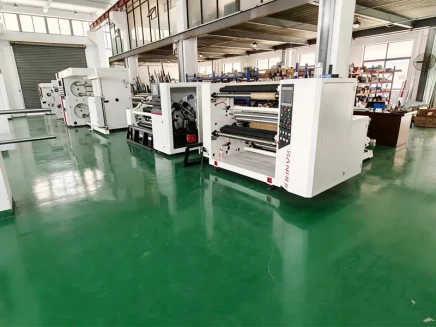
A capacitor film Slitting Machine is a precision tool that cuts wide rolls of metallized film into narrow strips for capacitor winding. This slitter keeps the width and edge quality steady, which is key for capacitor performance. The main steps are unwinding, tensioning, slitting, and rewinding. The slitting station uses rotary shear blades for exact cuts. With the market for slitting machines expected to grow by 14.8% each year from 2026 to 2033, knowing how to run this slitter matters more for your manufacturing process. The cutting action needs very tight control. This slitting machine is essential for making capacitors efficiently.
Key Takeaways
-
A capacitor film slitting machine cuts wide rolls of metallized film into narrow strips with high accuracy. It ensures the same width and good edges for reliable capacitors.
-
The main parts are unwinding, slitting, and rewinding systems. Each must handle delicate films from 0.5 to 23 micrometers thick without tearing or wrinkling.
-
Rotary shear blades cut edges more cleanly than razor blades, which lowers waste and boosts capacitor performance.
-
Closed-loop tension control with load cells and dancer rollers keeps tension steady, stopping wrinkles, stretching, and uneven winding.
-
EPC edge correction and ultrasonic sensors keep the film in line, making sure the strips are the same width even if the master rolls are not perfect.
-
PLC and touch screen automation let you easily set parameters, monitor in real time, and get alarms, which reduces setup time and downtime.
-
Proper tension control during rewinding is very important; taper tension control prevents internal tightness and external looseness in large rolls.
-
Investing in advanced automation, such as AI and Industry 4.0 tools, can cut downtime by up to 30%, which boosts productivity and competitiveness.
Key Components of a Capacitor Film Slitting Machine
A capacitor film slitting machine must handle very thin materials. These films are from 0.5 to 23 micrometers thick, and master rolls can be up to 5800 millimeters wide. You need a machine that can handle these delicate materials without tearing or wrinkling. Sanhui Machinery makes its slitting machines with a strong body and precise cutter sets. This build keeps the machine working reliably even at high speeds. Knowing each main part helps you see how the whole system works.
Unwinding Mechanism
The unwinding mechanism starts the whole process. It holds the big roll and feeds the film into the machine at a steady speed. This part must handle heavy rolls while keeping smooth, even rotation.
Unwind Shaft Function
The unwind shaft holds the master roll firmly. You put the roll onto this shaft, and the machine locks it. Then the shaft turns to feed the film forward. A braking system adds resistance to keep the film tight. Without good braking, the film would feed too fast and get loose. The shaft must also stay perfectly aligned. Even a small wobble makes the film move sideways, which ruins the cutting accuracy.
Handling Various Roll Sizes
Manufacturers make master rolls in many different sizes. You might work with rolls that weigh over 3000 kilograms. The unwinding mechanism must handle diameters up to 1600 millimeters. Different machines have different capacities. Some machines can handle unwind diameters from 1000 to 1500 millimeters. Others go up to 1400 or 1600 millimeters. Sanhui's machines have maximum unwind diameters from 800 to 1600 millimeters, depending on the model. You need to match the machine's capacity to your usual roll sizes. The unwind shaft must also adjust for different core diameters. This flexibility lets you switch between suppliers without changing the equipment.
Slitting Station
The slitting station does the actual cutting. This part decides the final width and edge quality of your strips. Precision here directly affects how the capacitor works.
Rotary Shear vs. Razor Blades
You have two main blade choices for slitting. Rotary shear blades use two round knives that work like scissors. One blade is above the film, the other below. This method gives clean, burr-free edges. Razor blades are simpler. A single sharp blade cuts through the film against a backing roller. Razor blades work well for thinner films but may create more edge debris. For capacitor films, rotary shear blades usually give better results. The cutting action must produce even edges across the whole roll width.
Blade Positioning and Adjustment
Blade positioning needs careful attention. You must set each blade pair to the exact width you need. The smallest slitting width for most machines is 10 millimeters. Capacitor film slitting often makes strips from 1 to 20 millimeters wide. The machine achieves a slitting tolerance of ±0.1mm. This precision makes sure every strip meets the strict uniformity requirements for capacitor dielectric layers. You adjust blade positions by hand or through automated systems. Modern machines let you set positions digitally. The blades must also stay sharp. Dull blades cause ragged edges and film stretching. Regular inspection and replacement keep the cutting quality consistent.
Rewinding System
After cutting, the rewinding system collects the narrow strips onto individual cores. This part must control tension carefully to prevent damage to the delicate film.
Individual Core Chucks
Each slit strip winds onto its own core. The rewinding system uses individual core chucks to hold these cores in place. You load empty cores onto the chucks before starting the process. Each chuck grips its core firmly. The chucks must line up perfectly with the blade positions. If they are misaligned, the strips wind unevenly. The rewinding system also needs to handle different core sizes. You might use plastic cores, paper cores, or metal cores depending on your application.
Contact vs. Gap Winding
You have two rewinding methods to choose from. Contact winding presses the winding roll directly against a drive roller. This method gives a steady surface speed and works well for softer materials. Gap winding leaves a small space between the roll and the drive roller. You control the tension through the drive system instead. Gap winding works better for stiffer films that might deform under pressure. For capacitor films, you often need taper tension control. This method automatically lowers the tension as the roll diameter gets bigger. It stops the inside from being too tight and the outside from being too loose in large rolls. The table below compares tension control methods:
|
Tension Control Method |
Description |
Suitability for Capacitor Film Slitting |
|---|---|---|
|
Closed-loop servo system |
Uses tension sensors for real-time detection; controllers automatically adjust motor torque to maintain constant tension. |
High precision and fast response; ideal for demanding precision slitting applications like capacitor films. |
|
Taper tension control |
As winding diameter increases, tension automatically attenuates according to a set curve. |
Prevents internal tightness and external looseness; essential for large-diameter rolls to maintain uniform density. |
|
Magnetic particle clutch/brake |
Older method relying on mechanical friction for tension control. |
Low precision, slow response, and severe heat generation; inadequate for precision requirements. |
You need a slitter rewinder that combines all these parts effectively. The best slitting machines put these systems together with advanced controls. Sanhui's equipment has full-automatic closed-loop tension control. This feature stops wrinkling or deformation during the whole process. When you choose a slitting machine, think about how each part handles your specific materials. The right mix of unwinding, cutting, and rewinding systems decides your final product quality.
Control Systems for Precision Slitting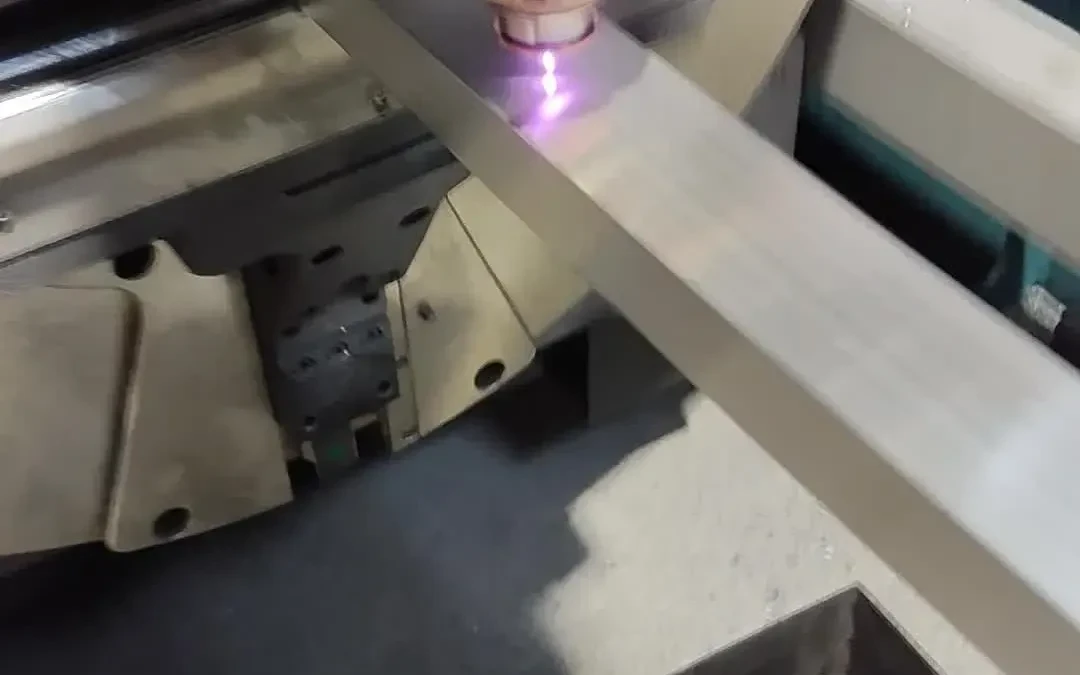
The control systems on a capacitor film slitting machine decide how well you can cut and rewind the film. These systems handle tension, alignment, and automation. Each one helps make clean, even strips.
Tension Control
Tension control keeps the film tight and steady as it moves through the machine. Without good tension, the film can wrinkle, stretch, or get damaged. You need a system that reacts fast to changes in roll size and speed.
Load Cells and Dancer Rollers
Load cells measure the actual tension on the film as it goes through the machine. These sensors sit on rollers and notice even small changes. The process has four steps. First, the load cells measure tension forces right on the web. Second, they spot any change during the slitting process. Third, they send the data to the control system right away. Fourth, the system makes instant fixes to keep the best tension.
Dancer rollers give a mechanical buffer between the unwind and rewind parts. They move up and down to soak up sudden tension changes. This movement gives the control system time to adjust motor speeds smoothly.
Maintaining Constant Tension
Top slitters use closed-loop servo systems with load-cell feedback. These systems keep steady tension from unwind to rewind. This method stops common problems like telescoping, starring, bagginess, and too much film stretch. For soft films like BOPP, PET, and CPP, this accuracy is very important.
Sanhui's slitting machine has a full-automatic closed-loop tension control system. This system stops wrinkling or deformation during the whole process. You can set the tension numbers through the touch screen, and the machine keeps them on its own.
Web Guiding and Correction
Web guiding keeps the film lined up as it moves through the machine. Even small misalignments cause uneven strips and wasted material. The guiding system finds the film edge and fixes its position all the time.
EPC Edge Correction
The EPC (Edge Position Control) device tracks the film edge and adjusts the unwind position. This device makes sure the film stays centered as it feeds into the slitting station. Standard models reach an accuracy of ±0.2 to 0.5 millimeters. High-end models get ±0.05 millimeters or better.
Sanhui's slitting machines come with the EPC edge correction device as a standard feature. This device keeps the material lined up through the whole process. You get even strip widths even when the master roll has small flaws.
Ultrasonic Sensors for Alignment
Ultrasonic sensors use high-frequency sound waves to find the film edge. These sensors work well with clear or opaque films. Light-based sensors have trouble with clear films, but ultrasonic sensors do not. They find the edge position reliably no matter how clear the material is.
This technology is very useful for capacitor films. These films often have different opacity or metallized coatings. Ultrasonic sensors handle these differences without adjustment.
PLC and Automation
The PLC (Programmable Logic Controller) is the brain of the slitter. It coordinates all the systems and processes data from sensors. You control everything through a simple screen.
Touch Screen Interface
The touch screen lets you set parameters easily. You enter the strip width, tension values, and speed settings you want. The PLC saves these settings for future runs. You can call them up with one touch, which cuts setup time between jobs.
Sanhui's machines use PLC and touch screen controls for easy parameter setting. High-speed models reach up to 800 meters per minute. Standard models run at 200 or 400 meters per minute. The TOP A series hits 400 meters per minute for capacitor films, while some models reach 600 meters per minute as their top speed.
Real-Time Monitoring and Alarms
The system watches all machine functions in real time. It tracks tension, speed, blade position, and film alignment. If any value goes out of range, the system triggers an alarm. You see the warning on the screen right away.
The alarm system helps you catch problems early. You can stop the machine before defects happen. This feature reduces waste and protects the equipment from damage. The system also logs operational data, which helps you check performance over time.
Step-by-Step Slitting Process
The slitting process on a capacitor film slitting machine follows a clear order of steps. You load the master roll, cut the film into narrow strips, and wind the finished rolls. Each step needs careful attention. Sanhui's slitting machines make this process fully automated. You get steady results with a slitting accuracy of ±0.1mm and rewinding flatness of ≤0.5mm. The automation cuts downtime and labor costs. Safety features like emergency stop devices keep you safe during operation.
Loading the Master Roll
You start the slitting process by loading the master roll onto the machine. This step sets the base for everything that follows. A good load means stable operation and quality output.
Securing the Roll on the Unwind Shaft
You place the master roll onto the unwind shaft first. The roll can weigh hundreds of kilograms. You must center it properly on the shaft. The machine then locks the roll in place with pneumatic or mechanical chucks. These chucks expand inside the core to hold the roll firmly. The shaft must stay perfectly aligned. Even a small offset causes the film to drift during the slitting process. Your machine should have safety locks that stop the roll from slipping. Sanhui's slitter includes emergency stop buttons within easy reach. You can stop the machine instantly if something goes wrong during loading.
Threading the Film Through the Machine
After securing the roll, you thread the film through the machine. You pull the film end from the master roll and guide it over several rollers. These rollers lead the film to the slitting station. You must keep the film flat and wrinkle-free during threading. The machine's dancer roller system helps you keep tension from the start. You feed the film through the nip point between the slitting blades. Then you guide each slit strip to its own rewinding core. The machine's touch screen interface guides you through the setup. You enter the desired parameters, and the system adjusts automatically.
Slitting and Separation
The slitting station is where the actual cutting happens. You need precise control here to get clean edges and accurate widths.
Cutting Action and Dust Extraction
The rotary shear blades cut through the film as it passes through the station. Each blade pair works like a pair of scissors. The upper blade meets the lower blade to shear the film cleanly. This cutting action produces a burr-free edge. The slitter keeps a tolerance of ±0.1mm across the full width of the material. You get consistent strip widths every time. Dust and debris from the cutting process can damage capacitor films. The machine includes a dust extraction system that removes particles right away. A vacuum system pulls debris away from the cutting area. This keeps the film clean and stops defects in the finished capacitors.
Spreading the Slit Strips
After cutting, the slit strips must separate from each other. The machine uses spreader rollers or air bars to guide each strip to its own path. These devices create small gaps between the strips. The gaps stop the strips from touching each other during rewinding. Proper separation is critical for the next step. If strips touch, they can stick together or create wrinkles. The slitting machines handle this automatically. You do not need to adjust the spreader bars manually. The system keeps the correct spacing throughout the run.
Rewinding onto Cores
The rewinding system collects each slit strip onto its own core. This step must keep the quality achieved during slitting.
Maintaining Tension During Rewind
Tension control during rewinding directly affects product quality. Unstable tension causes defects such as wrinkles, creases, uneven edges, and poor winding. These problems can make the capacitor film unusable due to inconsistent thickness. Stable tension lets the slitter run at higher speeds without quality loss. It reduces jams and mechanical wear on blades and rollers. Proper tension control is vital for achieving high line speeds. A 20,000 foot roll runs in about 8.5 minutes at 2,500 feet per minute. The same roll takes about 14 minutes at 1,500 feet per minute. You save over 5 minutes per set. This directly boosts productivity in capacitor film production. Sanhui's slitter rewinder uses a full-automatic closed-loop tension control system. The system keeps constant tension from the start of the roll to the finish. It applies taper tension control as the roll diameter grows. This stops the inside layers from being too tight and the outer layers from being too loose. The rewinding flatness stays within ≤0.5mm.
Final Inspection and Roll Removal
After the rewinding completes, you inspect the finished rolls. You check the edge quality, winding tightness, and overall look. The machine's touch screen shows the production data for each roll. You can verify that the strip widths meet your specs. The system logs the tension values and speed settings for quality control. You then remove the finished rolls from the core chucks. The machine releases the chucks automatically. You lift the rolls off the shaft and get ready for the next run. The automation lowers labor costs and boosts throughput. You can run multiple shifts with minimal downtime.
Your capacitor film slitting machine turns raw film into finished capacitors. How precisely it cuts directly affects how reliable the final product is. Tiny particles, rough edges, and small size differences can all hurt device performance.
|
Slitting Precision Issue |
Impact on Capacitor Reliability |
|---|---|
|
Microscopic particles on electrodes |
Creates impedance variations, reducing reliability |
|
Edge burrs and micro-cracks |
Compromises structural integrity, causing premature failure |
|
Dimensional variations |
Affects capacitance uniformity and energy density |
Control systems keep things steady during every run. Knowing how your slitter works helps you make better capacitors. New automation advances, like those from Sanhui Machinery, make slitting machines work better. AI-powered process control can cut unplanned downtime by up to 30%. Industry 4.0 features reduce downtime by 25%. These improvements help your slitting operation stay competitive.
FAQ
What materials can a capacitor film slitting machine handle?
You can work with plastic films like PET, OPP, PE, PVC, laminated film, and aluminized film. The machine also handles roll papers such as kraft paper, coated paper, and adhesive sticker paper. This range lets one machine serve many different production lines.
How do I maintain blade sharpness for consistent slitting?
You need to check blades often and swap them when the edges get dull. Dull blades cause rough edges and stretch the film. Most workers look at blades after each run. Keeping extra blade sets nearby cuts down on downtime when you change them.
Can I customize the slitting width for different capacitor sizes?
Yes, you can set the smallest slitting width to 10 millimeters. The number of strips depends on how wide your material is. You type the desired width on the touch screen, and the PLC moves the blades into place by itself.
What safety features should I look for in a slitter?
You want emergency stop buttons that the operator can reach easily. Sanhui machines come with these as standard. Safety locks on the unwind shaft stop the roll from slipping while the machine runs. These features keep you and your equipment safe during high-speed work.
How fast can a slitting machine operate?
High-speed models can go up to 800 meters per minute. Standard models run at 200 or 400 meters per minute. For capacitor films, you usually run at 70 to 80 percent of the top speed to keep quality. This balance gives clean edges and steady tension.
What causes uneven winding on the finished rolls?
Uneven winding mostly comes from wrong tension settings. If tension is too low, the film winds loosely. If tension is too high, the film stretches. Your machine's closed-loop tension control system fixes these problems automatically when you set the right numbers.
How long does installation and training take?
Standard models take 3 to 5 days to install and set up. For customers outside the country, Sanhui gives on-site training during this time. You learn to run the machine, set parameters, and do basic maintenance before the team leaves.
What warranty comes with a new slitting machine?
You get a 1-year warranty on the machine itself. Core parts have a 2-year warranty. If the equipment breaks down, you get help 24/7. Remote support handles normal problems, and a technician visits within 48 hours when needed.