How Slitting Rewinding Machines Work Explained for Beginners
A slitting Rewinding Machine lets you make big rolls smaller. It gives you neat rolls with exact widths. You put a large roll on the machine first. The machine unwinds the material for you. It cuts the material into strips. Each strip goes onto a new roll. Many industries use this process. Packaging and labeling are growing everywhere. Sanhui Machinery is in China. They make strong machines for this busy market.
Key Takeaways
-
A slitting rewinding machine cuts big rolls into smaller rolls. These smaller rolls are very exact. This machine is important for packaging and printing jobs.
-
Good tension control is very important. It stops the material from wrinkling or ripping. This helps make good rolls every time.
-
There are different ways to slit, like razor and shear slitting. The way you choose depends on the material. These ways help make neat cuts.
-
New machines have automation features. These features save time and cut down on hand work. This makes making things faster and easier.
-
You need to check and fix the machine often. Safety checks are also needed. This keeps the machine working well and safely.
What Is a Slitting Rewinding Machine?
Basic Definition
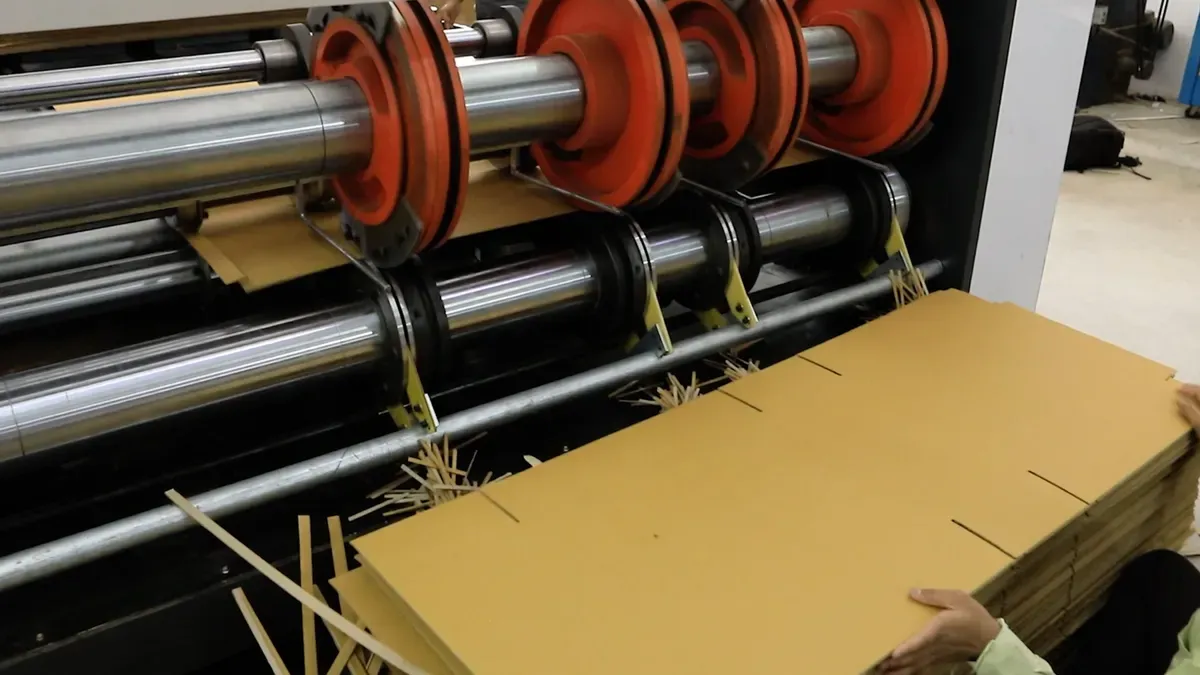
A slitting rewinding machine is a tool that changes one big roll into many small rolls. The machine unwinds the big roll. It cuts the material into strips. Each strip gets wound onto a new core. Factories use this for paper, plastic film, foil, or tape. The slitter uses sharp blades to make straight cuts. You get rolls that are the right width for your job.
Tip:
Using a slitter rewinder saves time and cuts down on waste. You can work with lots of material fast and get the sizes you need.
Here is what a slitting rewinding machine does, step by step:
-
Cuts material into smaller sizes.
-
Turns big rolls into smaller rolls.
-
Helps factories work faster and have less downtime.
Main Purpose
A slitting rewinding machine makes your work easier and faster. Its main job is to cut and rewind materials very accurately. You can see what it does in the table below:
|
Function |
Description |
|---|---|
|
Cutting |
Cuts big rolls into narrow strips with great accuracy. |
|
Rewinding |
Puts the strips onto new cores for more work or shipping. |
|
Dividing |
Splits materials using careful mechanical and automatic control. |
|
Industry Applications |
Used in packaging, printing, textiles, and electronics to help handle materials and lower waste. |
You can count on a Slitting Machine to give you neat, even strips every time. The slitter helps your production line keep moving.
Common Uses
You will see slitting rewinding machines in many industries. They help get materials ready for packaging, printing, and other jobs. The slitter rewinder works with many kinds of materials. Here are some examples:
|
Material Type |
Characteristics and Processing Methods |
|---|---|
|
PET and PVC |
Hard materials need shear cutting if thick. Razor cutting works for thin films. |
|
Metal Foils and Conductive Webbing |
Thin aluminum and copper foils need low tension and special cutting to stop tearing. |
|
Adhesives, Tapes, and Coated Materials |
Tapes and adhesives need score or crush cutting so glue does not touch the blade. |
|
Non-Woven Fabrics and Technical Textiles |
Fabrics like spunbond and meltblown use ultrasonic slitting to stop fraying. |
|
Advanced and Emerging Materials |
Sensitive materials like carbon fiber prepregs need very careful cutting for strict rules. |
You can use a slitter for packaging, printing, textiles, plastics, food, medicine, cosmetics, and electronics. The process helps you get the right size and shape for your products. You can trust a slitting rewinding machine to handle many jobs and materials easily.
How Slitting Rewinding Machines Work
When you use a slitting rewinding machine, you follow simple steps. You start with one big roll of material. At the end, you get smaller rolls that look neat and are ready to use. Sanhui Machinery makes machines with smart automation and tension control. These features help you get exact results every time.
Unwinding Process
First, you put the big roll on the unwinder. The unwinder moves the material into the slitter. If the roll is too loose or too tight, problems can happen. You might see wrinkles or rough edges. You want the roll to unwind smoothly. Sanhui Machinery uses automatic tension control to keep the material steady.
|
Issue |
Description |
|---|---|
|
Eccentricity |
Loose winding causes uneven tension and hurts roll quality. |
|
Wrinkles |
Wrinkles make the material look bad and not flat. |
|
Too tight winding |
This can make the edges drift and stick, lowering quality. |
|
Loose winding issues |
This causes the material to move and wrinkle, making rolls worse. |
You can stop these problems by using a slitter with good tension control. This step helps the rest of the process go well.
Web Guiding and Alignment
Next, you guide the material to keep it in the right place. Web guiding systems help the material stay straight. Sanhui Machinery adds edge guiding and laser core alignment to their machines.
|
Technology Type |
Description |
|---|---|
|
Edge Guiding |
Keeps the web edge straight without extra work. |
|
Center Guiding |
Follows the web center as the width changes. |
|
Line/Contrast Guiding |
Tracks a printed line or color difference. |
|
Laser Core Alignment |
Uses lasers to line up the core and knife exactly. |
-
The laser core alignment system makes setup faster.
-
You get a straight edge every time.
-
Servo-guided lasers make things more accurate.
-
You can save setups for later jobs.
Good alignment stops the material from twisting or getting damaged. You get rolls with smooth edges and high quality.
Slitting Methods
Now you cut the material into strips. You pick the slitting method based on what the material is. Sanhui Machinery gives you different choices in their machines.
|
Slitting Method |
Cutting Action |
Material Type |
Pros |
Cons |
|---|---|---|---|---|
|
Razor Slitting |
Blade slicing |
Thin films |
Cheap, quick to set up |
Blades wear out fast |
|
Shear Slitting |
Scissor-like motion |
Paper, films, foil |
Clean cuts, very fast |
Needs careful setup |
|
Score Slitting |
Knife pressure |
Tough materials |
Good for thick stuff |
Edges can be rough |
You use razor slitting for thin films. Shear slitting works best for paper and foil. Score slitting is for tough materials. The slitter gives you strips that are the right size. You get clean cuts with the right method.
Rewinding Process
After slitting, you roll the strips onto new cores. The rewinder makes each strip into a neat, small roll. You must watch the tension during this step. Too much tension causes wrinkles. Too little tension makes the material tear or wind unevenly.
-
Wrinkles happen if tension is too high.
-
Tears and breaks come from low tension.
-
Uneven rolls come from changing tension.
Sanhui Machinery uses closed-loop tension control in their machines. You get smooth, even rolls that meet industry rules. The process ends with rolls ready for packaging, printing, or other jobs.
Note:
Every step needs to be careful and efficient. Automation and tension control help you stop waste and mistakes. You get good rolls every time and save time.
|
Step |
Description |
|---|---|
|
Unwinding |
You start by unwinding the big roll. |
|
Slitting |
You cut the material into thin strips. |
|
Rewinding |
You roll the strips onto new cores. |
|
Tension Control |
You check tension to keep rolls good. |
|
Alignment |
You line up the material to stop edge damage. |
You follow these steps to get the best results from your slitting rewinding machine. Sanhui Machinery makes the process easy and dependable. You can trust their slitter to give you great rolls every time.
Slitter Rewinder Machine Components
Unwinder Unit
The slitting process begins with the unwinder unit. This part holds the big roll and feeds it into the machine. The unwinder keeps the web tension steady. This helps stop wrinkles or loose edges. Sanhui Machinery adds automatic tension control to the unwinder. This feature keeps the material flat as it moves. A good unwinder gives you better results. It also makes your slitter rewinder machine work faster.
Web Guide System
The web guide system keeps your material in the right spot. It uses sensors and rollers to keep the web centered. You do not need to worry about drifting or twisting. Sanhui Machinery adds edge guiding and laser core alignment. These features help you set up jobs fast. They also keep the slitting accurate. You save time and waste less with a good web guide system.
Slitting Section
The slitting section is where the machine cuts the material. You can use rotary shear or razor slitting for different materials. Sanhui Machinery’s slitter uses sharp blades and careful controls. This gives you clean edges. The table below shows some important features:
|
Feature |
Description |
|---|---|
|
Slitting Unit |
Cuts material into strips with rotary shear or razor blades for smooth edges. |
|
Automation and Control |
PLC and touch screen make operation easy and fast. |
|
Safety Features |
Safety guards and emergency stops protect you during use. |
|
Maintenance |
Modular design lets you replace parts quickly. |
Rewinder Unit
The rewinder unit takes the strips and winds them onto new cores. This part controls the tension and shape of the rolls. You get tight, even rolls with no wrinkles. Sanhui Machinery uses center-driven winding for better rolls. The rewinder works with many types of materials. You always get the best results for your job.
Tension Control
Tension control is important in every part of the machine. You need the right tension to keep the material flat. This helps you avoid problems. Sanhui Machinery uses closed-loop tension control. This system checks and changes tension by itself. It helps you get smooth rolls and neat slit edges. You can trust the machine to keep things steady from start to finish.
Tip:
Many automation features make your work easier. You can use auto web cut, auto core placement, and auto roll unloading. These options save you time and help you work safely.
Each part of the slitter rewinder machine works together. Automation, safety, and easy use are part of Sanhui Machinery’s design. You get a machine that is simple to use and gives you great results every time.
Slitting Machine Applications and Materials
Types of Materials
A slitter can handle many materials. The packaging industry uses slitting machines for films and laminates. You often see BOPP, PET, CPP, PE, and BOPA films. Laminates like PET/AL/PE are used for coffee and medicine packages. Each material needs special care when slitting. You must keep edges neat and rolls steady. The table below shows common materials and their uses:
|
Material |
Typical Applications |
Key Slitting Considerations |
|---|---|---|
|
BOPP Film |
Snack food, bakery, confectionery |
Clean edges, stable rewinding |
|
PET Film |
Coffee, premium food packaging |
High tension stability |
|
CPP Film |
Retort pouches, food packaging |
Scratch prevention, smooth winding |
|
PE Film |
Frozen food, heavy-duty bags |
Prevent stretching during rewinding |
|
BOPA (Nylon) |
Vacuum, meat packaging |
Stable web tension |
|
PET/AL/PE Laminates |
Coffee bags, pharma packaging |
Consistent roll hardness |
You need to pick the right slitting method for each material. This helps you get good rolls and keeps your work fast.
Industry Applications
Many industries use a slitting rewinding machine. You see slitting in flexible packaging, food, and medicine. The slitter also works in paper, electronics, and textiles. You can use a slitting machine to cut paper rolls, plastic films, and electronic materials. The electronics industry needs careful slitting for insulating and conductive films. These materials must meet strict rules. The table below shows how different industries use the slitter:
|
Industry |
Application Description |
|---|---|
|
Paper and Paperboard |
Packaging paper rolls, label rolls, printing rolls, corrugated board rolls |
|
Plastic Packaging |
Flexible packaging, food films, plastic bags |
|
Electronics |
Insulating materials, conductive films, shielding materials |
|
Textiles |
Textile rolls, nonwovens |
You can see the slitter working in many factories. It helps you get rolls ready for packaging, printing, or electronics.
Sanhui Machinery Advantages
Sanhui Machinery gives you smart automation features. You set the machine and let it do the work. The slitter uses fast cutting to make production quicker. You save time and do less manual work. The rewinder keeps rolls neat and flat. You get good roll quality every time. Sanhui Machinery designs machines that are easy and safe to use. You can trust their slitting rewinding machine to give you reliable results.
Tip:
Automation and fast cutting help you finish jobs faster. You get more rolls with less effort.
Practical Tips for Beginners
Tension Control Importance
Tension control plays a key role in slitting rewinding. You need to keep the right tension from start to finish. If you set the tension too high, the material can break or stretch. If the tension is too low, the rolls may become loose or uneven. Good tension control helps you avoid many problems.
-
Proper tension control prevents material stretching. This keeps your finished rolls free from defects.
-
You avoid core crushing by not applying too much pressure.
-
Tension control also stops roll telescoping. Your rolls stay tight and safe during transport.
If you do not control tension, you may see more scrap and waste. Under-tension can cause poor slit edges and rolls that fall apart. Over-tension can break the web and stop your machine. Always check your tension settings before you start.
Tip:
Use the machine’s automatic tension system to help you keep rolls smooth and even.
Common Issues and Solutions
When you start using a slitting rewinding machine, you may face some common issues. Knowing these problems and their solutions helps you work better.
Frequent Problems:
-
Loose rewind rolls or not enough tightness.
-
Material wrinkling as it passes the blades.
-
Uneven end faces or rib bursting.
-
Burrs or misaligned slitting edges.
-
Long streaks or nail marks on the material.
-
Unusual noise or strong vibration.
How to Solve Them:
-
Check your unwind tension to stop wrinkling.
-
Make sure diameter sensors are in the right place for tension control.
-
Adjust tension settings carefully during operation.
-
Inspect the pressure roller for even pressure.
-
Look for excessive clearance in the rewinding arm.
-
Ensure swing rollers move smoothly.
|
Safety Feature |
Description |
|---|---|
|
Emergency Stop Buttons |
Test often to make sure they work fast in emergencies. |
|
Safety Guards |
Check for damage to prevent contact with moving parts. |
|
Safety System Check |
Review light curtains and protective devices for proper function. |
|
Safety Equipment Audit |
Audit all safety gear to confirm it works and meets standards. |
Note:
You should always get both classroom and hands-on training. This helps you learn the machine’s parts, spot hazards, and know what to do in an emergency.
You now understand how slitting rewinding machines work. These machines are important in many industries. Always follow these safety steps:
-
Wear the right safety gear every time.
-
Look for anything strange and test emergency stops.
-
Turn off the power before changing blades with tools.
-
Keep your hands away from parts that move.
-
Clean the machine and shut it down after you finish.
Sanhui Machinery gives your business strong support. Check out the benefits below:
|
Aspect |
Description |
|---|---|
|
Quality Control |
Machines are made with high precision and strict rules. |
|
After-Sales Support |
You get quick help and answers for your questions. |
|
Certifications |
Many industries trust Sanhui for proven quality. |
|
Innovation |
New features and smart controls make the machine easy to use. |
If you want to know more, look at product guides and FAQs on the Sanhui Machinery website. You can ask for expert advice anytime. Start learning with confidence. Every expert started as a beginner!
FAQ
What materials can you use with a slitting rewinding machine?
You can use paper, plastic films, aluminum foil, non-woven fabric, and adhesive labels. The machine works with many types of rolled materials. Always check your material type before starting.
How do you keep the rolls from wrinkling or tearing?
You must set the right tension. Sanhui Machinery’s automatic tension control helps you avoid wrinkles and tears. Always check the tension settings before you run the machine.
Is it hard to change the slitting width?
No, you can adjust the slitting width easily. Use the touch screen or manual controls. Sanhui Machinery designs machines for quick changes. You can switch jobs fast.
What should you do if the machine stops working?
Tip:
First, check the power and safety switches. Look at the control panel for error messages. If you cannot fix it, contact Sanhui Machinery’s support team for help.