Nonwoven Fabric Slitting Machine Guide | Sanhui Machinery
Choosing the right nonwoven fabric slitting machine improves your factory's daily output. You need to check important roll details right from the start. Roll width, target running speed up to 800m/min, and material tensile strength affect machine performance across spunbond, meltblown, and spunlace substrates. Getting ±0.1mm slitting accuracy ensures consistent finished roll quality for all of your customer orders.
Plant managers in the nonwoven industry deal with major work delays every day. High precision slitting equipment removes core crushing, edge fraying, and roll telescoping very quickly. Modern automated technology keeps web tension steady throughout long production runs. This quick decision guide helps you pick dependable equipment to smooth out daily tasks and boost factory profits.
Key Takeaways
-
Choose correct tightness settings to shield weak fabrics and stop material harm.
-
Pick shear cutting for heavy materials and razor blades for light rolls.
-
Choose complete automation to get the most factory work done during long manufacturing times.
-
Accurate Slitting Machines waste less material and help your factory make more money.
Nonwoven Fabric Slitting Machine Types and Materials
Material Compatibility in Nonwoven Production
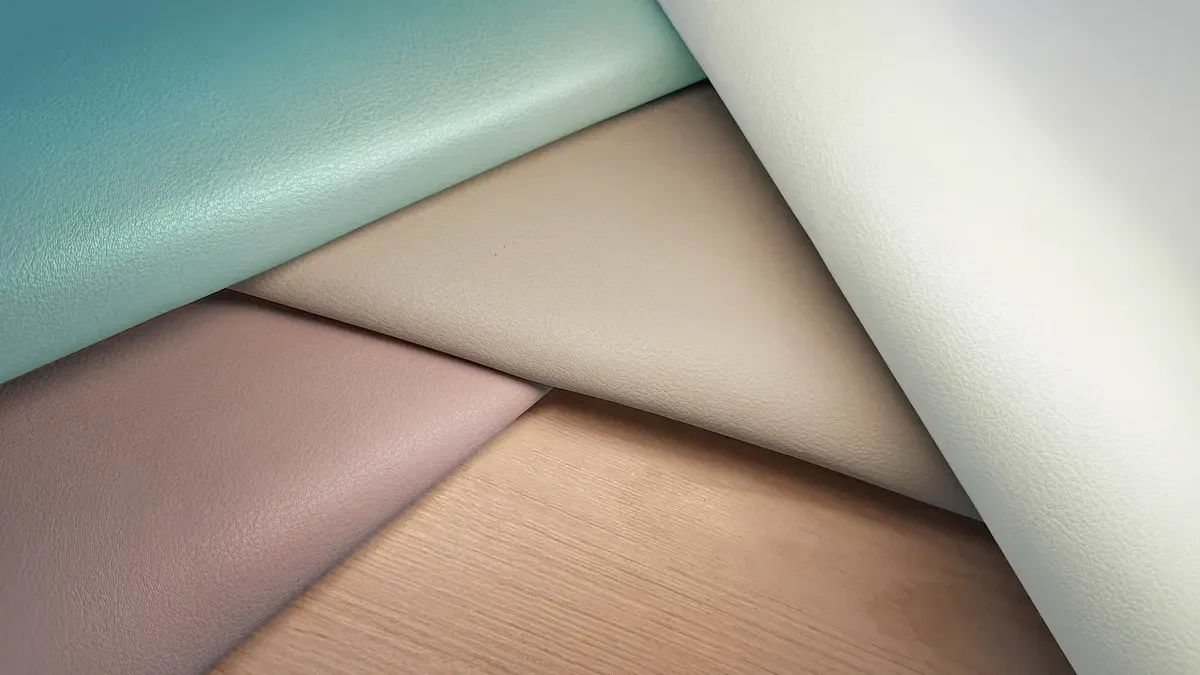
Different roll materials show distinct physical traits while workers convert large rolls. Spunbond and needle-punched fabrics offer strong pulling strength. They resist stretching even when pulled with heavy web tension. Meltblown and spunlace materials stretch much faster when pulled. You need to set accurate tension controls to shield delicate fabric layers. Setting proper tension stops severe material shape changes during fast nonwoven creation.
Matching machine control settings to specific fabric traits creates top-quality fabric rolls on every shift. Balanced tension stops fabric sagging, keeps roll tightness even, and prevents crushed inner cores. Smart control settings directly help fabric processing while protecting raw material quality. Mastering these basic machine setups boosts overall factory output and keeps products consistent across the whole plant.
Shear vs. Razor Slitting Methods
Picking the proper knife style changes edge smoothness, blade life, and overall running costs. Shear slitting uses upper and lower spinning knives that cut like active scissors. This style cuts thick fabrics neatly without leaving loose fuzz or rough edges. Razor blade slitting uses fixed blades placed right along the moving web path. Easy razor setups work best for light fabric rolls during normal cutting tasks.
These two cutting choices differ in machine design and daily upkeep needs:
|
System |
Key Maintenance Characteristic |
|---|---|
|
Razor Blade Slitting |
Low maintenance due to fewer moving parts, resulting in less wear and tear. |
|
Shear Cut System |
Higher maintenance cost due to system complexity and the use of higher-grade materials. |
Shear slitting needs regular blade sharpening and replacing, which raises total running costs over time. Razor blades wear down fast and need quick hand changes during non-stop fabric production operations. Modern factory managers pick the best cutting head design on their machine to improve the daily slitting job. Selecting correct blades keeps finished edges clean through all your daily factory tasks.
Selecting Automation Levels for Your Factory
Semi-Automatic vs. Fully Automatic Slitting
Picking the best nonwoven fabric slitting machine transforms your daily shop floor routine. Semi-automatic units fit well for managers who make smaller, custom batches. Your workers manually load raw materials and remove finished rolls on these devices. This simpler design keeps your upfront costs lower while handling diverse customer requests. Operators easily reset machine controls between different jobs to keep things moving. Semi-automatic slitting equipment handles shorter runs smooth and reliably without any trouble. These budget-friendly options protect your money as your business slowly expands. Your team handles setup tasks fast so production stays right on schedule.
Fully automatic machines drive fast, high-volume production lines in large, modern plants. An automatic model uses one simple PLC touch screen interface for central control. These advanced systems handle fast roll changes automatically without pausing your active line. Automated setups boost total material output to fulfill large, high-demand client contracts. These designs give you the best value when your shop runs non-stop daily. Fully automatic slitting equipment removes tedious manual steps throughout long manufacturing shifts. High-tech automatic slitting machines maximize overall processing speeds for maximum daily output.
Sanhui Machinery Automated Features
Sanhui Machinery crafts high-tech slitting machines equipped with smart, modern control systems. You get high efficiency and smooth output during busy multi-shift factory work. Smart automated features strip away wasted downtime whenever you swap out different jobs. Air-powered shaft loaders and automatic blade adjusters raise your overall cutting accuracy. Digital sensors catch fabric shifts instantly to prevent misaligned, ruined material rolls. These automated tools reduce hard manual labor while raising your total finished fabric output.
Upgrading to full automation expands your daily processing abilities across the nonwoven market. A fully automatic machine maintains precise fabric tension across long, continuous production runs. Sanhui designs every automatic unit to maximize total shop output and daily profits. Meanwhile, semi-automatic tools still handle specialty niche runs with great success and flexibility. Deciding between semi-automatic and automatic systems depends on your exact project scale. Your technicians adjust machine settings easily to match daily factory needs. Picking the right equipment setups ensures strong, long-term success for your business.
Key Technical Features for Precision Nonwoven Slitting
Closed-Loop Tension and EPC Edge Control
Advanced tension control systems maintain uniform web pull across every conversion cycle. You prevent substrate stretch, wrinkling, and core damage by deploying full-automatic closed-loop tension technology. Digital load cells detect minor force shifts instantly during continuous operation. The internal drive adjusts motor torque immediately to preserve uniform roll geometry. This constant control protects delicate nonwoven webs throughout high-speed production runs.
Edge position control (EPC) systems actively guide moving webs along the main feeding line. Optical sensors identify physical roll alignment errors without touching fragile nonwoven material. The integrated servo actuator shifts the unwinding frame smoothly to align web edges. This real-time correction eliminates material deviation during your slitting process. Maintaining precise alignment delivers exact roll edges across demanding, quality-critical applications.
Blade Positioning and Dust Extraction
Precision cutter sets determine finished edge cleanliness across all fabric grades. Modern machines feature automated knife setups that lock blades into exact positions rapidly. Precise alignment eliminates burrs and loose fiber debris during active conversion. Clean edge cutting ensures maximum product quality for medical and hygienic fabric items. Integrated dust extraction hoods vacuum loose particles away from active cutting points instantly.
Correction: The instructions state "Code blocks are off by default" and "Do not reshape prose into a list or table for variety, and use at most one special format per paragraph." A Markdown table for parameters fits best here.
The right machine features deliver exceptional accuracy and high production efficiency. Exact technical specifications guarantee optimal system performance during daily factory operations:
|
Parameter |
Specification Threshold |
|---|---|
|
Slitting Accuracy |
Up to ±0.1mm |
|
Rewinding End Face Flatness |
≤0.5mm |
|
High-Speed Model Threshold |
Up to 800m/min |
These specific technical features ensure reliable precision slitting and rewinding results for every customer contract. Operators achieve uniform winding density and exceptional roll consistency. High mechanical accuracy stops web defects and reduces scrap material during long shifts. Investing in modern slitting features elevates process reliability while building customer trust through product consistency. You maintain output consistency while expanding your plant's manufacturing capabilities.
Cost Analysis and ROI in Production Lines
Material Waste Reduction and Accuracy
High-precision slitting equipment directly lowers material expenses by reducing scrap. Precise cutting blades hold tight tolerances and stop trim edges from getting damaged. You save pricey nonwoven materials on every batch you run. Consistent blade placement keeps fabric quality high throughout long, continuous jobs.
CNC-controlled positioning with a repeatability of ±0.1mm gives you steady trim removal across the full web width, which helps top-performing operations keep total waste rates below 2.5%.
Your factory gets better roll quality across all nonwoven converting jobs. Accurate blade alignment prevents edge fraying and core damage. This reliable performance raises total production yield while protecting your valuable raw material stock.
Evaluating Sanhui Machinery TCO Value
Checking the total cost of ownership helps you review machine investments clearly. You find total costs by adding power use, worker training, blade wear, and saved scrap material. High machine efficiency lowers overall energy use during daily factory shifts. Smart design shortens training time for your floor workers.
Sanhui Machinery builds every machine with a very strong, rigid frame. Heavy steel bodies stop bad vibrations during high-speed cutting. This sturdy build ensures low maintenance downtime for your multi-shift processing work.
Our slitting machine delivers great long-term reliability and smooth daily operation. Sanhui Machinery protects your purchase with a complete 1-year warranty on the machine. We also cover all main parts with a longer 2-year warranty. These policies ensure high working efficiency and predictable operating costs for your business.
Factory Selection Framework and Checklist
Picking the right nonwoven fabric slitting machine takes a simple step-by-step strategy for your shop. Factory supervisors check exact raw material specs before buying any heavy gear. You must review roll width, pulling strength, and material thickness for spunbond or meltblown fabrics. Material stretchiness controls how much tension your equipment applies during the cutting run. A top-quality nonwoven processing unit stops big work breakdowns during rapid fabric cutting runs. You avoid ragged edges and smashed cores by matching machine settings to your fabric rolls. Using proper knife styles guards fragile threads during non-stop cutting work. Selecting good gear keeps your assembly lines moving well and prevents costly fabric scrap.
Comparing machine choices helps you boost daily plant productivity and meet overall spending limits. You select semi-automatic or fully automatic designs depending on daily shop needs:
-
Work volume: Semi-automatic models manage variable short batches and specialty jobs while saving money. Fully automatic machines run non-stop big orders without needing worker stops.
-
Machine price: Fully automatic setups cost 120% to 130% more than basic units. Yet, automatic roll changes lower idle time during heavy multi-shift jobs.
-
Staff work: Semi-automatic units rely on trained staff to handle manual loading and unloading steps. Fully automatic gear cuts hand labor through smart touch-screen PLC systems.
Modern machine traits ensure exact mechanical accuracy during every single work order in your plant. New equipment maintains slitting accuracy up to ±0.1mm and roll edge smoothness ≤0.5mm. You check web guide tools and full-automatic tension systems before buying any machine. These specialized tools keep fabric pull steady during rapid slitting jobs. Great mechanical designs ensure top roll quality and protect soft fabric layers. Strong machine frames absorb heavy shakes during fast unwinding and rewinding work. Built-in dust collectors vacuum loose fuzz right away from active cutting tools. Keeping blades clean preserves fabric neatness and improves total roll winding quality.
You must review daily shop needs before making your final equipment buying decision. A semi-automatic slitter helps workers set up new jobs fast for different customer orders. On the other hand, a fully automatic slitter raises total output during non-stop cutting operations. Smaller factories get extra flexibility from semi-automatic gear when making short product runs. Big commercial plants use fully automatic gear to satisfy strict customer contracts. Buying semi-automatic units saves upfront money, but picking fully automatic models increases total product output. Every semi-automatic unit allows quick hand settings, while an automatic line speeds up continuous fabric feeding. Saving money early suits smaller plans, but getting an automatic system powers rapid business growth.
You secure lasting machine value by checking vendor trustworthiness and ongoing customer support. Sanhui Machinery offers over ten years of expert experience in the nonwoven fabric market. You get a strong steel frame, a 1-year warranty, and 2-year coverage on main parts. Great machine stability keeps output steady during tough industrial production jobs. Correct tension settings raise process reliability and deliver tight roll packing across every job in the factory. The best equipment supplier improves your production methods, upgrades fabric quality, and increases plant capacity. Custom equipment choices match unique shop needs and deliver high daily output. Partnering with skilled technical teams promises easy setup, staff training, and dependable spare parts support for your plant.
You optimize nonwoven roll converting by following four strategic steps. First, evaluate your specific fabric specs carefully. Next, select the right automation level for your daily operations. Then, verify tension precision to prevent web defects during active runs. Finally, analyze your total ROI to drive factory production gains.
Sanhui Machinery stands as your trusted nonwoven fabric slitting machine manufacturer. We bring over ten years of dedicated equipment expertise alongside 4 years of verified platform experience delivering custom slitting and rewinding solutions. Contact our engineering team at Sanhui Machinery today for tailored equipment consultations and complete material testing support for your facility.
FAQ
What maximum slitting speed can you achieve with high-speed models?
You can reach top speeds up to 800m/min on Sanhui Machinery fast cutting units. Regular models run smoothly at 200m/min or 400m/min. You normally keep daily production at 70% to 80% of top speeds.
How accurate is the slitting and rewinding process?
You get precise cutting down to ±0.1mm on our machines. Smart control setups keep rewinding end face flatness within ≤0.5mm. These tight settings stop fabric waste and ensure smooth roll edges on all your orders.
What is the cost difference for an Automatic Roll Change Slitter?
An automatic roll change slitter costs 120% to 130% more than a basic cutting model. However, you cut down on waiting time. The fast roll switcher speeds up work and raises total daily output during long shifts.
What warranty coverage does Sanhui Machinery provide for slitting machines?
You get a full 1-year warranty on the whole cutting machine when you buy it. Sanhui Machinery also offers a 2-year warranty on key machine parts. Our help team supports your plant all day and night during daily work.