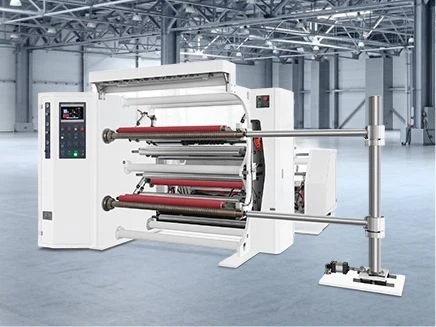
Copper Foil Slitting Machine for Battery Manufacturing
You face major technical challenges when working with ultra-thin copper foil substrates from 4.5µm to 9µm for lithium-ion batteries. Poor web handling causes rough edges, wrinkles, and costly breaks during high-speed continuous cutting operations.
To maintain high production yield, you must evaluate equipment against strictly defined criteria:
-
Tension control precision
-
Shear blade alignment accuracy
-
Finished roll edge flatness
-
Active particulate suppression
Investing in a specialized copper foil Slitting Machine ensures smooth edge quality on raw copper stock. Furthermore, adopting a lithium battery slitting machine optimizes overall anode collector processing. Choosing the right foil slitting machine protects cell stability throughout your battery manufacturing plant.
Key Takeaways
-
Custom cutting machines keep super-thin copper foil safe from unwanted folds, sudden snaps, and jagged borders.
-
Shear slitting provides clean, exact cuts without damaging delicate thin metal sheets.
-
Clean edges prevent sharp metal bits from tearing battery separators and creating short circuits.
-
Multi-segment tension controls keep material pull steady and prevent sheet stretching during high-speed cutting.
-
Built-in dust removal systems clean off tiny metal bits to keep the battery safe.
-
Strong diamond or tungsten carbide blades create precise cuts and lower machine downtime.
-
Smart digital cameras check the foil edges right away to find flaws quickly.
Fundamentals of Lithium Battery Slitting Machine Technology
Core Mechanics for Ultra-Thin Copper Foil Processing
Mechanical Shear Slitting Dynamics
You must pick the right cutting method when working with thin metal web rolls. Shear slitting uses a scissor action that makes clean cuts on weak metal sheets.
Shear slitting gives neat and exact cuts. It offers smooth edge quality with no heat damage on delicate thin webs.
In contrast, razor cutting brings big quality risks to your fast slitting work.
|
Slitting Method |
Slit Edge Quality (as described) |
|---|---|
|
Razor Slitting |
Smooth on thin webs. But at faster speeds, heat makes a bad bump at the slit edge. Lack of support lowers cut accuracy. |
|
Shear Slitting |
Clean and Exact. Gives neat and accurate cuts, best when smooth edges and slit accuracy matter most. Ensures exact slit width control. |
Substrate Stress and Edge Deformation
Strong continuous pull during the cutting process ruins thin copper sheets. Mechanical cutting blades push hard on the web edge. Changing tension causes stretching on metal borders while slitting.
Proper blade alignment keeps overall product quality high. Correct tool setup stops stretching during your daily cutting work.
Key Structural Components and Cutter Assembly
Precision Blade Shafts and Anvil Rollers
A modern lithium battery slitting machine depends on strong metal support parts. Heavy machine bases stop shaft bending during fast spinning cycles.
-
Disc Cutter Set: This includes many pairs of circular blades set on top and bottom cutter shafts.
-
Cutter Shaft Drive System: This system makes sure cutter shafts spin together smoothly and accurately.
-
Cutter Adjustment Mechanism: This lets you move blades by hand or automatically with high accuracy up to ±0.05mm.
-
High-Precision Disc Cutter Design: The setup uses a light high-precision disc cutter made for thin-gauge sheets.
Full Closed-Loop Tension Regulation
You need steady pull control on your lithium battery slitting machine. Quick tension jumps tear thin copper foil webs right away. Modern lithium battery slitting machine setups check web pull constantly. Continuous feedback loops keep sheet pull steady to protect edge surface quality.
Edge Burr Impact on Battery Safety
Micro-Burr Formation and Anode Shorting Risks
Rough metal burrs hurt lithium battery safety. Sharp metal points pierce fragile separator sheets directly.
|
Mechanism |
Root Cause |
Consequence |
Leads to Thermal Runaway via... |
|---|---|---|---|
|
Direct Physical Penetration |
A big micro-burr sticking up past the anode's active coating layer. |
The burr physically pokes or rips through the separator sheet. |
Direct internal short circuit between anode and cathode, causing high current flow, heat growth, and thermal runaway. |
|
Conductive Bridge Formation |
Loose burr bits or copper dust created from slitting/cutting steps. |
The loose conductive bits build a shorting bridge across the anode face or inside the cell. |
Internal short circuit, starting current flow, heat generation, temperature spikes, and finally thermal runaway. |
Slit Width Tolerances and Coating Alignment
Strict size limits protect downstream battery cell assembly lines. An advanced lithium battery slitting machine delivers top edge accuracy through long manufacturing runs. Exact width control stops overlap mistakes during anode stacking inside lithium-ion batteries.
Key Features of a Precision Copper Foil Slitting Machine

You need advanced industrial machinery to change raw substrate rolls into narrow anode current collectors. A high-precision foil slitting machine gives exact physical control over ultra-thin metal webs. Advanced hardware choices protect sensitive materials from permanent damage while keeping top dimensional accuracy during all cutting steps.
Advanced Web Handling and Tension Regulation
Multi-Segment Closed-Loop Servo Drives
You need steady physical motion across the full processing line. Standard single-zone drive systems cannot fix local thickness variations across raw copper sheets. These local variations cause web instability and severe material stretching during quick web movement.
-
Segmented tension rolls measure physical pull across separate web lanes directly.
-
Digital controllers receive immediate feedback signals from precise load cell sensors.
-
Dedicated servo motors change local torque output quickly to match exact target values.
-
Electronic damping filters reduce tension jumps to protect soft metal sheets from sudden spikes.
A multi-segment closed-loop system keeps steady material pull during all speed changes. You must set the recommended tension for copper foil anodes between 3–5N to stop permanent sheet stretching. Keeping correct web tension prevents diagonal wrinkles and stops wandering web movement.
yield = good units / total units x 100
Low-Inertia Air-Floating Guiding Rollers
You must support the thin sheet without creating mechanical stress. Light aluminum rollers with low-inertia air bearings lower rotational drag during steady material movement. These special rollers stop sudden web drag during quick speed changes. Also, an Edge Position Control (EPC) unit continuously reads the physical sheet edge. The sensor spots small lane shifts using an active sensor sensitivity rule of ≥0.01mm. The EPC system moves the guide parts instantly to keep straight linear alignment.
Dust Extraction and Static Suppression
Integrated Non-Contact Dust Extraction
The mechanical slitting process creates tiny metal dust and ambient dirt particles. These small loose bits form bad shorting bridges inside built energy storage cells. So, built-in particle collection systems must work continuously during active cutting operations.
|
Cleanliness Feature |
Technical Mechanism |
Primary Process Advantage |
|---|---|---|
|
Integrated Vacuum Extraction |
Catches micro-particles directly at the cutter head. |
Stops particulate escape into nearby cleanroom environments. |
|
Non-Contact Negative Pressure |
Removes loose debris using directed airflow streams. |
Protects soft metal surfaces from friction scratches and mechanical damage. |
|
Partitioned Air Channels |
Keeps separate pressure levels across distinct capture zones. |
Prevents dust redeposition and keeps vacuum channels clean. |
Active Static Elimination and Anti-Curling
Fast metal web travel creates static electrical charges on ungrounded machine parts. High static charges pull in nearby floating dust and cause physical safety hazards for workers. Active static elimination bars discharge electrical power constantly near the cutter setup. Clearing static charges stops micro-particle sticking and protects surface quality during winding. Active anti-curling systems steady thin sheets to keep full edge flatness during fast downstream work.
Modern Rewind and Unwind Systems
Shaftless Hydraulic Unwind Stands
Heavy master rolls need strong mechanical support during first loading steps. A shaftless hydraulic unwind stand simplifies the handling of big raw rolls.
-
Hydraulic lift arms clamp directly onto master roll cores without heavy center bars.
-
Automated hydraulic cylinders lift heavy metal rolls into correct alignment smoothly.
-
Workers load big master rolls quickly while avoiding physical injury hazards.
-
Less manual setup time improves total operating efficiency during long work shifts.
This automated loading design lowers overall labor needs during regular roll swaps. Fast setup steps boost total factory output while maintaining full worker safety.
Differential Friction Shaft Rewinding
Making smooth roll density across many narrow strips needs special winding hardware. Standard mechanical shafts give equal torque across all lanes, which causes loose winding on thinner web sections. Differential friction shafts fix this issue by letting individual slip rings balance local thickness changes across the raw web.
An advanced lithium battery slitting machine uses air differential shafts to apply lane-specific winding torque. Quick torque tuning stops layer slipping and prevents physical telescoping on finished rolls. An active lithium battery slitting machine gives a strict slitting tolerance of ±0.1mm while keeping a rewinding end face flatness ≤0.5mm. You can reach narrow slitting widths down to 10mm without edge warping. Precise cutter placement keeps a strict blade parallelism error of ≤0.02mm using laser guide rules. This precision engineering improves your total lithium cell output. Using a reliable lithium battery slitting machine ensures top finished product quality for demanding high-volume factory lines.
Maximizing Yield with Sanhui Machinery Foil Slitting Machine
Specialized Sanhui Machinery units boost total yield and lower production costs. Strong machine frames stop harmful shaking during fast winding cycles. Smart PLC touch-screen systems make daily cutting tasks easy. High-speed industrial units run at top speeds up to 800m/min. Standard models reach 200m/min or 400m/min. You improve factory output while keeping steady material handling. Flexible machine designs adapt easily to changing industrial needs.
Blade Selection and Precision Alignment Protocols
Tungsten Carbide vs Diamond Knives
You must pick hard blade materials for tough daily work. Tungsten carbide knives offer high wear resistance for standard copper cutting. Diamond-coated knives last much longer during heavy factory use. These sharp tools keep steady shapes without making micro-burrs on thin copper foil. Choosing durable knives protects soft web rolls and saves raw copper sheets during long runs. High-grade blades keep clean edge shapes and raise overall product quality.
Automated Knife Leveling and Overlap Adjustment
Sanhui Machinery uses automated knife positioning tools to speed up daily setup tasks. Automated knife leveling sets exact blade overlap instantly across every lane. Automatic tools replace slow manual adjustments and eliminate human operator errors. You cut changeover downtime significantly and lower total material waste. These automated parts keep strict slitting accuracy of ±0.1mm. Fast knife setup steadies your continuous cutting work and boosts output volume.
Tension Tuning Across Changing Roll Diameters
Taper Tension Control Algorithms
Winding thin metal web rolls requires careful control as roll sizes change. Larger roll diameters create strong inward mechanical pressure. Unchecked inward pressure crushes paper cores and ruins finished roll shapes. A specialized lithium battery slitting machine stops structural damage using digital controls:
-
A taper tension control system measures the growing roll diameter using an input sensor.
-
The system calculates size growth and lowers the tension target along a set curve.
-
The control system signals the rewind motor to slow down by an exact percentage.
-
This active speed change lowers winding tension across a recommended
10%-50%taper rate. -
The system keeps natural tension flow and prevents core damage on every finished roll.
Contact Pressure Optimization
You must set correct press roll force to keep smooth roll faces. Proper contact pressure removes trapped air bubbles between winding layers. Balanced mechanical force prevents layer slipping and internal stress build-up. An advanced lithium battery slitting machine shifts contact force automatically during winding cycles. Running a lithium battery slitting machine improves roll tightness while preserving raw copper quality. Controlled pressure clears air pockets and stabilizes downstream battery anode work.
High-Speed Process Parameter Optimization
Acceleration and Deceleration Ramp Settings
Sudden speed changes cause heavy mechanical stress on soft metal webs. Smooth speed shifts protect fragile stock from sudden tension jumps. You must set gradual acceleration and deceleration ramps in the main control panel.
-
Smooth speed settings stop web breaks during quick speed shifts.
-
Controlled speed changes keep straight web tracking across guide rollers.
-
Steady web travel protects soft copper collector stock from permanent stretching.
-
Proper ramp settings maintain high production output while raising material yield.
Thermal Expansion Compensation on Blade Arbors
Fast continuous spinning creates operational heat along the cutter shafts. Metal shafts expand under rising operating temperatures. Thermal growth shifts knife spacing and changes blade clearance.
-
Temperature-compensated blade shafts offset heat growth during long production runs.
-
Precision shaft mounts absorb localized heat without moving cutter positions.
-
Exact shaft shapes preserve strict size accuracy on every slitting lane.
-
Steady cutter positioning ensures reliable machine work throughout long working shifts.
Sanhui Machinery builds custom lithium battery slitting machine units for modern battery factories. Standard slitting machinery choices include a 1-year total machine warranty and a 2-year core parts warranty. Automatic roll change models cost 120%-130% more than basic units, but save labor and downtime. Investing in advanced lithium cutting setups boosts total plant output and improves daily operating efficiency. A dedicated copper foil slitting machine offers high return on investment. Choosing a specialized foil slitting machine lowers production costs while securing top cell output and maintaining high quality across all lines.
Modern Automation Trends in Lithium-Ion Anode Manufacturing
Real-Time Edge Quality and Defect Monitoring
In-Line CCD Optical Surface Inspection
You can upgrade battery production lines by placing clear CCD camera units behind cutter parts. Modern plant cameras scan moving metal sheets fast during all active cutting steps. Smart vision software reads image data right away to spot surface spots, edge rips, and local sheet shifts.
yield rate = (defect-free width / total sheet width) x 100
Smart optical tools tag bad sheet parts electronically without slowing active factory lines. The system saves exact defect spots directly into central plant data files.
|
Defect Category |
Optical Inspection Method |
Primary Corrective Action |
|---|---|---|
|
Edge Cracks |
High-speed area CCD imaging |
Signals auto-rejection gate and adjusts web tension |
|
Micro-Gaps |
Non-contact optical line scanning |
Triggers immediate operator alert for blade inspection |
Automated Burr Height Sensing Systems
Laser height sensors check edge thickness along cut lanes all the time. These exact sensors catch metal changes right at the cutter site. Laser tools send live shape data into main system control units. Fast height data keeps broken current collectors from entering final cell build steps. Smart quality check loops protect later cell build tools from fast wear.
These smart check tools reduce hand inspection tasks across busy plant floors. Constant real-time tracking protects total product quality during fast runs.
Industry 4.0 Integration and Predictive Maintenance
Smart Blade Wear Tracking
Built-in digital sensors check tool wear on round cutter sets continuously. Smart math rules estimate blade life using run hours, total sheet length, and cutting speed. The digital control box alerts plant workers before dull tools cause small burrs or edge bends.
remaining blade life = total rated meters - processed meters
Smart track tools plan repair jobs during normal shop stops. Quick knife swaps protect soft foil tops and keep surface quality high. Stopping sudden tool breakdowns boosts long-term equipment work.
Recipe Management and Auto Roll Changeover
Modern PLC screens hold saved job steps for various metal sheet thicknesses. You pick saved job profiles to set sheet pull, blade gap, and machine speed at once. Auto setting loads remove hand setup errors during job changes.
A modern lithium battery slitting machine resets blade gaps automatically with motor positioners. An advanced lithium battery slitting machine cuts waste during active material swaps. Automatic roll swap units switch full rolls without stopping raw metal supply feeds. Adding smart tools boosts total plant output while keeping high quality rules. Better line work ensures steady output during tough battery jobs. Buying smart line tools guards top quality output across active factory lines.
Buying a high-precision copper foil slitting machine requires upfront capital investment. However, this equipment helps reduce production costs by lowering material scrap during fast cutting. High-performance lithium tools pay for themselves quickly.
High-performance precision cutting tools pay for themselves within a few months.
To protect product quality, you must prioritize key purchasing parameters. A specialized lithium battery slitting machine must deliver tight ±0.1mm accuracy, active dust suppression, and reliable performance.
Sanhui Machinery offers customized engineering for lithium-ion batteries. We build trusted machinery solutions for lithium anode processing to boost production efficiency. You can rely on our reliable global support to lower operating costs.
FAQ
What slitting accuracy can you achieve on ultra-thin substrate rolls?
You can get an exact slitting accuracy of ±0.1mm with a high-precision copper foil slitting machine. The system keeps the rewinding end face flatness below 0.5mm. This precise accuracy protects total product quality during long continuous cutting runs.
What is the minimum width for continuous copper foil processing?
You can make narrow cuts down to 10mm without causing edge warping. The equipment easily handles thin copper foil layers from 4.5µm to 9µm thick. Closed-loop tension controllers shield delicate metal sheets against bad stretching.
How does a lithium battery slitting machine prevent internal short circuits?
A special lithium battery slitting machine uses sharp tungsten carbide or diamond blades. This accurate shear cutting action removes tiny metal burrs and gathers loose dust. Clean edges stop rough collectors from poking thin separator sheets inside battery cells.
Why should you choose automated roll changeover features?
Automatic roll change models cost 120% to 130% more than basic units. However, automatic tools reduce system downtime greatly and lower total labor costs. Choosing a modern foil slitting machine raises overall long-term battery cell output yield.
What running speeds can you expect from modern slitting equipment?
High-speed models reach top cutting speeds up to 800m/min, while regular units run at 200m/min or 400m/min. Safe running speeds stay around 70% to 80% of top rated speeds. You keep sheet stability across every active lithium anode line.
How does dynamic tension regulation protect fragile lithium-ion anode webs?
A lithium battery slitting machine uses multi-zone closed-loop servo drives with air differential friction shafts. The smart control system holds steady sheet pull between 3N and 5N. This exact control shields fragile lithium-ion materials from sudden sheet breaks.