Rubber Slitting Machine Explained: What It Is and How It Works
A rubber Slitting Machine turns big rubber rolls or sheets into narrower strips for later use. These machines are key in packaging, printing, and recycling work. Companies like Sanhui Machinery offer advanced models that handle tough production jobs.
The rubber slitter cutting machine faces a special problem. Rubber is tough and stretchy, so it resists clean cuts. You need the right tools to work with this material well. The rubber slitter cutting machine uses sharp blades and careful tension to get past these issues.
Slitting machines change large master rolls into useful widths. This saves time and cuts down on waste. How does this equipment handle rubber's flexibility and still make exact cuts? The answer is in its smart design and control systems. Knowing how this machine works helps you choose the right one.
Key Takeaways
-
Rubber slitting machines cut large rubber rolls into exact strips for many industries.
-
These machines use sharp blades and careful tension to manage rubber's tough, stretchy qualities.
-
Different cutting methods, such as razor, shear, and score, work best for different rubber thicknesses.
-
Automation and safety features make the machine simple to use and keep workers safe.
How a Rubber Slitting Machine Works
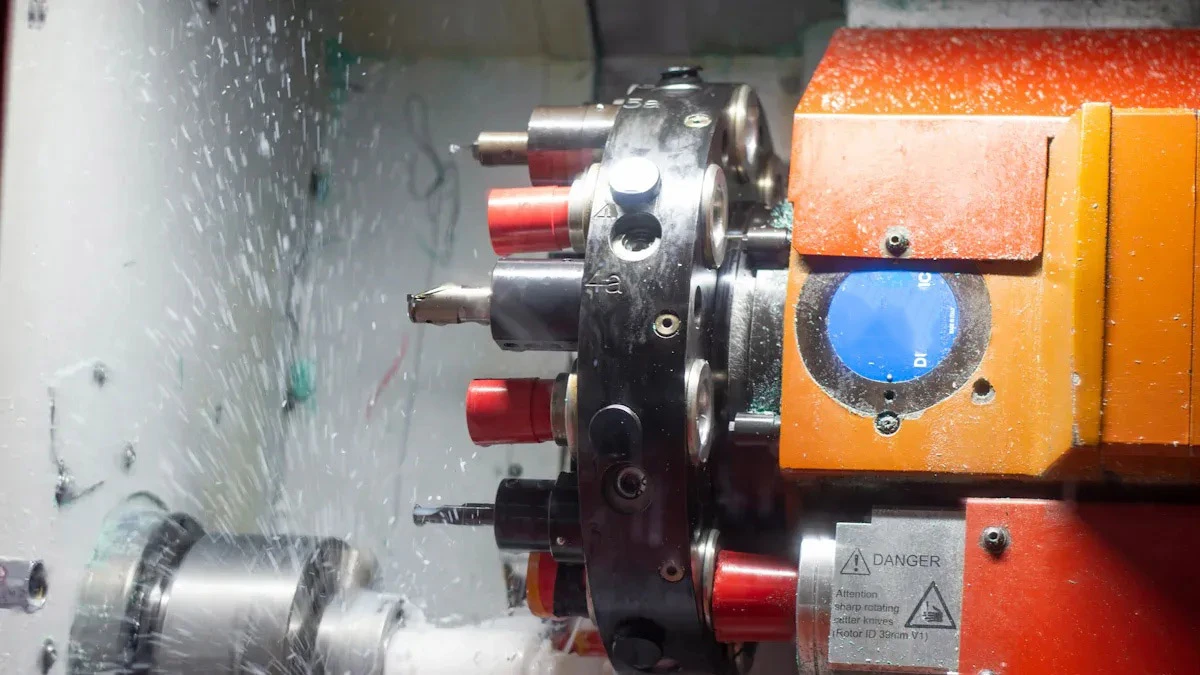
Loading and Material Preparation
You start with a big roll of rubber. This roll can weigh hundreds of kilograms. You put it onto the unwinding shaft of the rubber slitter cutting machine. The machine holds the roll tightly using pneumatic chucks. Then you guide the rubber sheet through a set of rollers. These rollers flatten the material and remove any bumps.
Next, you set the cutting width on the control panel. The PLC system saves your settings. You type in how many strips you need. You also type in the exact width for each strip. The machine figures out the blade positions on its own. This takes only a few minutes. You do not need special tools or to measure by hand.
The rubber slitter cutting machine also checks that the material is straight. An EPC edge position control system uses a sensor to follow the rubber edge. This sensor is on one side of the moving sheet. It sends signals to the PLC. The PLC moves the guide rollers to keep the rubber centered. This stops the rubber from drifting sideways during the whole run.
Slitting and Rewinding Process
Once the material is loaded and the settings are done, the cutting starts. The rubber slitter cutting machine uses spinning blades to cut the rubber. These blades spin at a set speed. Strong motors drive the blades with steady power. The blade speed stays low to avoid heat buildup. Heat can make the rubber stick back together after cutting. The low speed keeps the cut clean and the edges sharp.
The blades push against the rubber with just the right force. You can change this force for different rubber thicknesses. Softer rubber needs less force. Harder rubber needs more. The machine keeps this force steady during the whole run. This way, every strip has the same width.
After cutting, the strips go to the rewinding section. Each strip winds onto its own core. The cores are mounted on the rewinding shafts. A closed-loop tension control system manages the winding. Load cells measure the real tension in each strip. The controller compares this reading to your set value. If the tension changes, the system adjusts the brake or motor torque. This feedback loop runs all the time from full roll to empty core.
|
Tension Condition |
Effect on Rubber Slitting |
|---|---|
|
Tension too high |
Finished rolls become narrower than required because the rubber stretches and then relaxes |
|
Tension too low |
Material feeds unevenly, which lowers cut quality |
The EPC system keeps checking the rubber edge during rewinding. It makes sure the strips wind neatly without sliding off. The result is a finished roll with flat edges and even density.
The EPC guiding control system makes sure the edges of the tape are neat during winding. It uses only one position sensor, for example on the winding machine, placed on one edge of the moving steel belt.
Blade care matters for steady output. You should check blades often for wear. If blades are out of line, too much force, or abrasive materials are used, the blades wear out faster. Replace dull blades quickly to keep cutting accuracy. A sharp blade gives clean edges without fraying or tearing.
The whole process runs automatically once you start it. You watch the operation from the touch screen. The machine warns you if any setting goes outside safe limits. This automation cuts waste and boosts productivity. A well-maintained rubber slitter cutting machine works reliably for many years.
Key Features of a Rubber Slitter Cutting Machine
Precision and Tension Control
The rubber slitter cutting machine gives you very accurate cuts. It can cut with a precision of ±0.1mm. This accuracy comes from three main parts. The table below shows how each part helps achieve the ±0.1mm accuracy.
|
Technical Component |
Specific Role in Achieving ±0.1mm Accuracy |
|---|---|
|
Servo Motor Control |
Controls the feed mechanism with ±0.1mm precision, ensuring each strip matches the programmed width specification. |
|
High-Precision Linear Guide Rails |
Maintain blade alignment within tight tolerances throughout the cutting cycle, using the same type of rails as CNC machining. |
|
Real-Time Monitoring System |
Uses feed roller sensors and blade edge sensors to provide real-time feedback; the touch-screen panel displays live measurements and alerts operators when parameters drift outside acceptable ranges. |
These parts work together to give you steady results. The servo motor makes sure every strip width is the same. The linear guide rails keep the blades straight even after many uses. The monitoring system catches any drift before it hurts quality.
The closed-loop tension control system is another key feature. Load cells measure the real tension in each strip. The controller compares this reading to your set value. If tension changes, the system adjusts brake or motor torque right away. This stops wrinkles and deformation. You get even winding quality from full roll to empty core. For rubber, correct tension is very important. Rubber stretches easily, so you need constant tension to avoid narrow strips.
During roll slitting, the EPC edge correction system keeps the material aligned. A sensor follows one edge of the rubber sheet. The controller moves guide rollers to keep the rubber centered. This stops the material from drifting sideways. The result is neat, flat winding edges.
Automation and Safety Systems
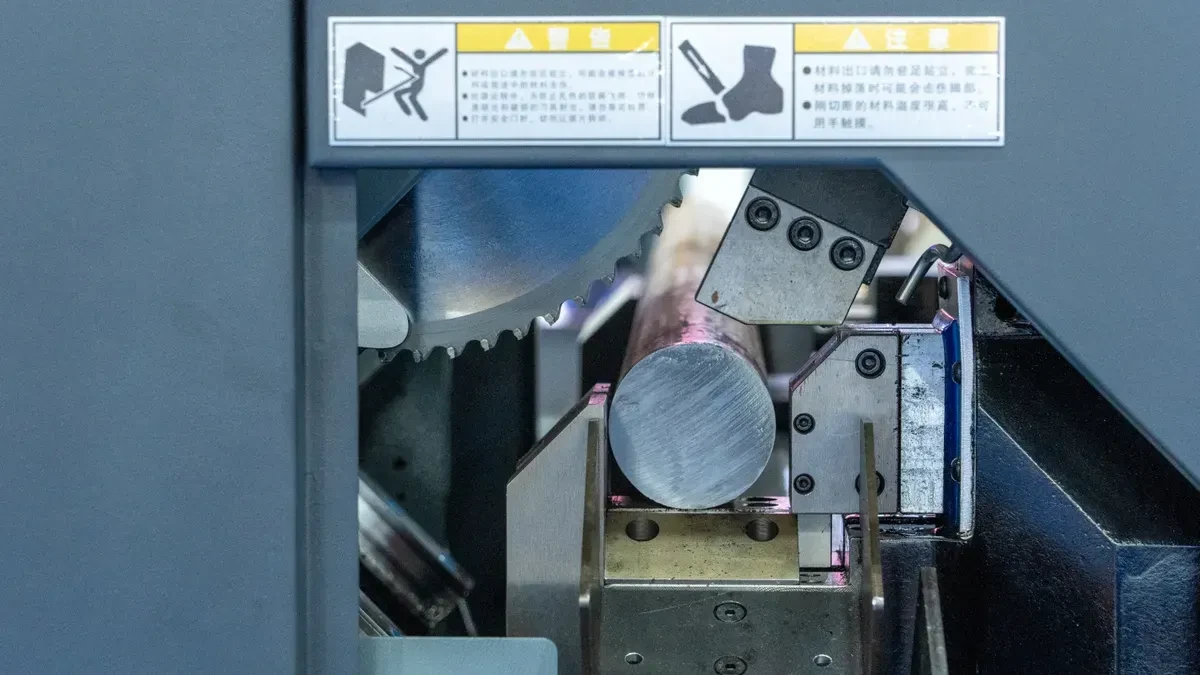
The rubber slitter cutting machine uses a PLC and touch screen for easy operation. You set all parameters on the screen. The machine remembers your settings for different rubber types. Automatic roll change cuts downtime. When one roll finishes, the machine starts the next roll without stopping. Blade leveling is also automatic. You do not need to adjust blades by hand. This saves time and ensures consistent cuts.
Safety features protect you and the machine. Emergency stop devices are located at both ends of the rubber slitter cutting machine. If something goes wrong, you press the button and the machine stops immediately. The modular design makes maintenance easy. You can access each part without removing other components. This reduces repair time.
The slitter comes with a strong warranty. You get 1 year coverage for the machine and 2 years for core components. This gives you peace of mind. These features make the rubber slitter cutting machine a reliable choice for your production line. The precision of this rubber slitter cutting machine rivals that of a cnc rubber strip cutting machine, but it is designed specifically for continuous roll slitting. Another cnc rubber strip cutting machine may offer similar accuracy, but this slitter handles the tough, elastic nature of rubber better.
Other slitting machines may not achieve this level of precision. The rubber slitter cutting machine is built for high-volume work. You can process many types of rubber with consistent results. The automation reduces labor costs. The safety systems protect your workers. The warranty ensures long-term reliability.
Types of Slitting Machines
Not every slitting machine works the same way. Different cutting methods fit different materials and thicknesses. Knowing the types helps you pick the right rubber slitting machine for your work. Each method has its own benefits.
Razor Slitting
Razor slitting uses sharp, fixed blades. The material moves over the blade, and the blade slices through it. This method works best for thin materials like films, labels, and light-duty rubber sheets. The cut is clean and simple. Setup is quick. You can move blade positions fast. But razor blades wear out sooner than other blade types. Friction heat can also cause issues. For thin materials, the low heat is fine. For thicker rubber, you need another method. The rubber slitter cutting machine from Sanhui can use razor slitting for light-duty jobs.
Shear and Score Cutting
Shear cutting uses two rotary blades. The material passes between them. The blades cut through the material like scissors. This gives a clean edge without fraying. Shear cutting works well for thicker materials. You can cut rubber sheets up to several millimeters thick. The blades stay sharp longer than razor blades. The cut quality stays high after many hours of use, and the accuracy remains steady. A rubber slitter cutting machine with shear blades handles tough jobs. Shear cutting makes less debris than other methods.
Score cutting uses a scoring wheel. The wheel presses into the material. It makes a groove. The material then splits along that groove. This method suits heavy-duty materials like thick rubber mats and gaskets. The scoring wheel can handle abrasive materials. It lasts a long time. The rubber slitter cutting machine with score cutting gives you a straight, clean break. The accuracy of this method is high. You get repeatable results.
The Sanhui product line covers all these methods. The models range from 320 to 3500. This range includes machines for self-adhesive materials, horizontal and vertical setups, and hot cutting and cold cutting methods. You can find a rubber slitter cutting machine that fits your needs. Whether you need a cnc rubber strip cutting machine for precision work or a heavy-duty model for thick mats, the right model exists. The slitting machines from Sanhui serve packaging, printing, labeling, and flexible material processing industries.
Industries Using Slitting Machines
Packaging and Printing
Slitting machines are used in packaging plants every day. Flexible packaging producers use them to turn big rolls of film into exact widths for bags and wrappers. A rubber slitter cutting machine does this job with accuracy that hand cutting cannot match. You get clean edges on every strip. That means fewer rejected rolls and less waste.
Printing operations depend on these machines for label making. Self-adhesive label stock comes off the press in wide rolls. You need narrow strips for each label. The rubber slitter cutting machine cuts through the glue layer without smearing or stretching the material. This precision keeps the print aligned. Your labels stay straight during the whole process.
Electronics makers also use slitting equipment for adhesive tapes. These tapes need exact widths for circuit board assembly. A rubber slitter cutting machine gives that consistency. You can run thousands of meters of tape without stopping to adjust blades. The machine keeps its tolerance through the whole run.
Recycling and Custom Fabrication
Recycling operations use slitting machines to turn rubber waste into reusable forms. You start with old tires or scrap rubber sheets. The machine cuts them into easy-to-handle strips for further processing. This step reduces the material volume before it goes into the shredder. Smaller pieces mean faster processing and lower energy costs.
For large truck and OTR tires, a tire cutting machine separates the sidewalls from the tread. This makes the material smaller before it enters the main shredder. It also lets sidewalls and treads be processed separately or sold as-is for specific uses, such as sidewall rubber for conveyor belt liners.
You can also slit tires into two halves or separate the sidewalls from the tread using the same cutting equipment. This flexibility lets recyclers sort rubber by quality and value. The sidewall rubber becomes conveyor belt liners. The tread rubber goes into crumb rubber for playground surfaces or new tire compounds.
Custom fabrication shops use slitting machines to cut rubber mats, gaskets, and sheets for cars and factories. You need precise strips for door seals, vibration dampeners, and floor mats. A rubber slitter cutting machine gives you consistent cuts every time. You can process rubber and plastics with the same equipment, which expands what you can make.
Sanhui Machinery serves customers around the world. Their machines handle kraft paper, plastic films like BOPP and PET, and non-woven fabrics. The versatility of slitting machines means you can turn bulk materials into usable strips for many products. Whether you run a small shop or a large factory, the right slitter improves your efficiency and product quality.
A rubber slitting machine changes big rubber rolls into exact strips for many industries. You load the rubber, set the width, and the machine cuts and rewinds on its own. Important features like tension control and EPC edge correction make sure rubber strips are the right size. Different cutting methods work for different rubber thicknesses. Packaging, printing, and recycling plants all use slitting machines every day.
The rubber slitter cutting machine solves the problem of cutting tough, stretchy rubber. You get the same high accuracy with every run. Buying a reliable slitter cuts down on rubber waste and boosts output. Sanhui Machinery offers custom slitting solutions for your specific rubber needs. Their machines handle various rubber widths and speeds. A good rubber slitting machine pays for itself through fewer rubber rejects and faster rubber production.
FAQ
What materials can a rubber slitting machine handle?
This machine can cut many kinds of rubber. Soft rubber sheets, hard rubber mats, and rubber gaskets all work well. It also cuts plastic films, paper, and non-woven fabrics. You just change the blade force for each material's thickness and hardness.
How often should I replace the blades?
Check blades before each shift. Dull blades give frayed edges and uneven strips. Most operators replace blades every few weeks, depending on use. Rubber that wears down blades fast makes them dull sooner. Keep spare blades ready to avoid stoppage time.
What safety features protect the operator?
The rubber slitter cutting machine has emergency stop buttons at both ends. Safety guards cover moving parts. The touch screen warns you about unsafe settings. You should still wear gloves when loading material. These features lower the chance of accidents during normal work.
How long does setup take for a new run?
Setup takes about five to ten minutes. You enter the strip width and number of cuts on the touch screen. The PLC moves the blades into place automatically. You load the master roll and guide the rubber through the rollers. Then you start the run.
Can I change the slitting width between runs?
Yes, you can change widths quickly. The smallest width is 10mm. You type in new settings, and the machine adjusts blade positions on its own. This flexibility lets you handle different orders without long changeover times. You save hours compared to doing it by hand.