How to Choose the Right Laminated Film Slitting Machine for Flexible Packaging
Substrate Properties Shear Slitting Precision Closed-Loop Differential Tension Control = Ideal Laminated Film Slitter Rewinder. You need this exact formula for your flexible packaging operation.
Changing mixed materials like PET/ALU/PE or BOPP/CPP takes special machines instead of single-layer tools. Regular equipment creates edge peeling, material stretching, and uneven rolls. Keep steady tightness across every flexible packaging film structure to protect final roll quality. Flexible packaging converters rely on specialized film slitting technology to secure optimal results. Buying a dedicated laminated film Slitting Machine enhances overall slitting equipment efficiency. The right slitter handles large packaging jobs easily while protecting the material.
Global market demand for any modern film slitting machine continues to expand rapidly:
|
Period |
CAGR |
|---|---|
|
H1 2024 |
3.4% |
|
H2 2024 |
3.7% |
Key Takeaways
-
Specialized slitting machines protect multi-layer flexible packaging materials from damage.
-
Differential friction shafts help maintain a smooth, steady pull on material layers with unequal thickness.
-
Shear slitting creates neat roll edges on thick protective films without ripping them.
-
Strong steel machine frames stop shaking and keep the cutting precise.
-
Automatic digital tools lower setup time and increase the total amount of product a factory makes each day.
Evaluating Laminated Flexible Packaging Film Properties
Gauge Variation in Multi-Layer Flexible Packaging
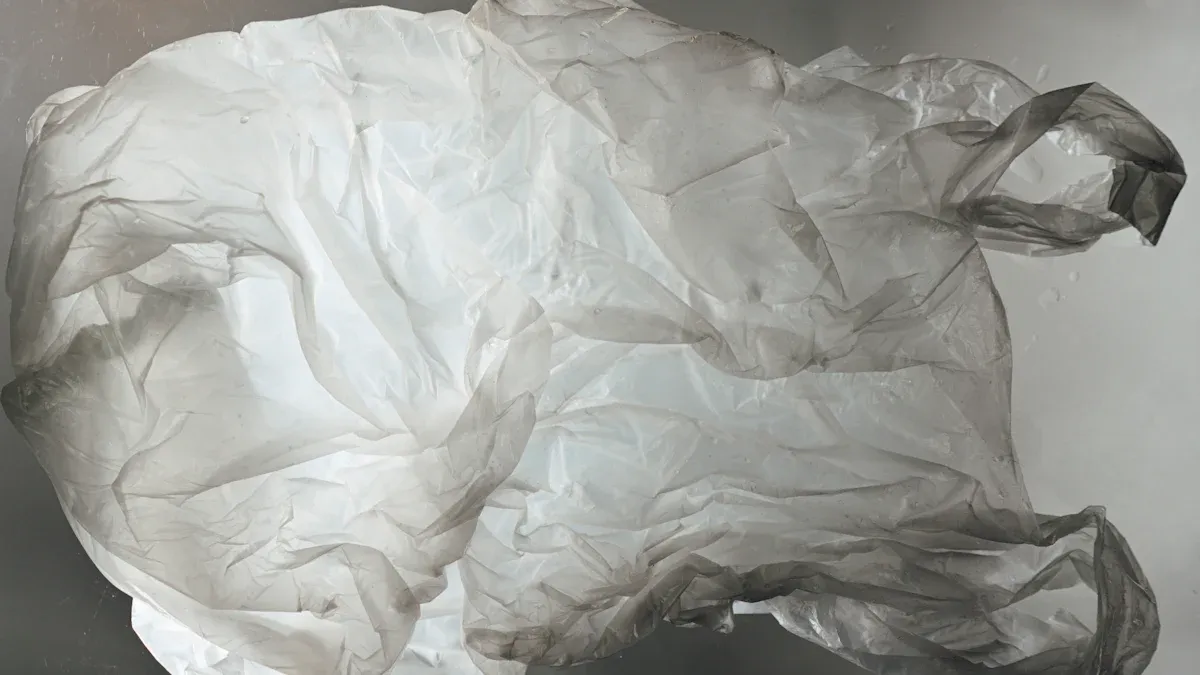
Multi-layer flexible packaging film structures often have uneven thickness levels across their width. These thickness changes across the main roll cause uneven tightness in different lanes during production. Processing complex layers makes outer films stretch at different speeds under pull strength. You must fix these thickness differences to stop material stretching, drifting, and loose edges. Packaging companies use smart tension systems to keep the full film web steady in every lane.
A closed-loop tension system with roller sensors constantly tunes your unwind brake as you work. You can lower rewind tightness as rolls grow larger so outer layers stay smooth. Smart controllers change turning force automatically while main rolls shrink and finished rolls expand. Also, special differential shafts let single cut rolls slip just a little during the process. This controlled slip fixes small thickness changes across your material, giving you firm rolls and smooth work.
Delamination Prevention and Adhesive Layers
Wrong cutting force or too much pulling damages soft glue layers between laminated film sheets. Strong tension stretches layers differently and causes immediate edge separation along your cut lines. Too much friction heat from fast cutting speeds also weakens delicate glue bonds. You should add tension separation zones with extra rollers to split unwind, cutting, and rewind areas. This setup stops heavy pulling from moving across your main cutting zone and ruining delicate layers.
Good blade setup and careful tension control protect your whole packaging production line. You need to run fast cutting jobs with light tension to keep overall product quality high. Sharp, correctly set shear knives slice clean through multi-layer films without pulling layers or splitting edges. Clean knife cuts remove rough edges and stop rolls from sliding out of shape during storage. Balanced pull keeps your flexible packaging web steady without straining inner glue bonds during fast, heavy jobs.
Selecting Slitting Methods for Film Slitting Machines
Shear Slitting Mechanics vs Razor Cutting
Selecting the correct cutting method for your slitting machine protects tough laminated barrier materials. Razor cutting uses simple pulling separation, which works well for very thin films. However, it fails on thick or rough barrier laminates during heavy production. Thick materials form rough edges and separate under razor pressure because stress varies across layers.
Shear slitting combines pushing and cutting forces using circular motion to handle tough materials. This active motion creates clean edges without tearing your delicate barrier film layers. Rotary shear blades keep edges neat and lower dust production on heavy films. The table below compares these two popular slitting process options:
|
Method |
Cutting Mechanism |
Material Suitability |
|---|---|---|
|
Razor cutting |
Tensile separation |
Thin, flexible webs only |
|
Shear slitting |
Compressive and shear force |
Stiff, thick laminates and foils |
Shear slitting protects material properties while delivering high cutting accuracy during your converting process. Thus, you get top-quality results on every finished roll you make.
Blade Alignment and Cut Precision
Getting high slitting quality across laminated packaging requires exact machine alignment during setup. Your operator must set female blade side clearance between 0.002 mm and 0.01 mm for hard polymers. Setting vertical overlap between 0.5 mm and 1.5 mm stops extra heat build-up. Too much heat softens blade edges and ruins your finished product quickly. Keeping blade side wobble below 0.005 mm stops side movement completely. Controlled spacing prevents blade chipping and maintains a steady cutting line.
Blade hardness also plays a main role in your daily slitting process. Standard carbide types like YT15 offer great wear resistance for composite film slitting. Choosing high-performance blades maintains exact slitting width limits within ±0.1 mm. Sharp angles between 20 and 25 degrees lower cutting force on thin films. Meanwhile, smooth polished surfaces reduce drag on soft materials. Tight blade positioning prevents rough edges and keeps every flexible package within target quality standards. Improving your slitter parts lowers waste during fast converting jobs.
Master Tension Control in Laminated Film Slitting Machines
You must master web strain across every lane to convert multi-layer packaging substrates reliably. Unwind systems, guiding units, and rewind shafts work together inside a laminated film slitting machine to prevent web stretching and severe material telescoping.
Unwind EPC Edge Correction Systems
Unwind systems require active monitoring to protect film structure during your daily production runs. Automatic closed-loop tension control systems instantly adjust braking forces based on real-time sensor feedback. Meanwhile, Photoelectric Edge Position Control (EPC) guidance systems actively detect web lateral position changes. These components maintain strict web alignment across the entire machine path. Continuous tracking stops side drifting, prevents web wrinkling, and preserves edge quality.
Stable tension directly prevents unequal layer strain, while active guidance maintains web alignment across every converting stage.
Low-friction high-slip films often present severe operational challenges during conversion. Materials featuring a coefficient of friction below 0.2 easily suffer from internal slippage and roll telescoping. You must wind these slippery substrates as tightly as possible onto a high-torque core. Then, you should gradually reduce the winding tension to a minimum over a diameter of three to four times the core outside diameter. Operators should apply clamping force simultaneously to exclude trapped air and improve finished roll rigidity.
A proper roll-hardness taper protects your final product quality across long production cycles:
-
Wind film tight near the core to build a solid structural base.
-
Reduce hardness progressively as the roll outer diameter grows larger.
-
Start tension settings at the higher end of the recommended range.
-
Lower the applied tension smoothly to prevent internal layer buckling.
Differential Friction Shaft Rewinding
Gauge variation across multi-layer films creates severe tension differences between separate cut strips. Standard solid shafts over-tighten thick lanes and leave thin lanes completely loose. Differential friction rewind shafts solve this technical issue by providing individual slip control for each core. This capability preserves consistent tension control across every slit roll, regardless of local thickness profiles.
-
The central shaft runs at a controlled overspeed rate inside floating friction rings.
-
Each individual ring slips independently like a mechanical clutch around the main shaft.
-
Compressed air inside internal bladders sets the precise winding torque.
-
Higher pneumatic pressure presses internal friction strips directly against the rings.
-
Air pressure increases systematically as overall roll diameters expand.
This clever mechanical design balances torque distribution dynamically during every slitting process. Varying material thickness causes some rolls to slip more than neighboring rolls, allowing all finished packages to wind uniformly. Differential chucks lock directly to each core, eliminating core dust generation completely. These systems support narrow chuck widths down to 10 mm while preventing sideways core movement during high-speed runs.
Using specialized differential shafts improves overall machine efficiency while handling delicate flexible packaging films. Your slitter maintains stable tension continuously, eliminating telescoping, edge separation, and loose core defects on every job. Excellent tension management boosts output quality and maximizes material usage across your flexible converting plant.
Key Machine Specifications and Architectural Rigidity
Frame Stability and High-Speed Performance
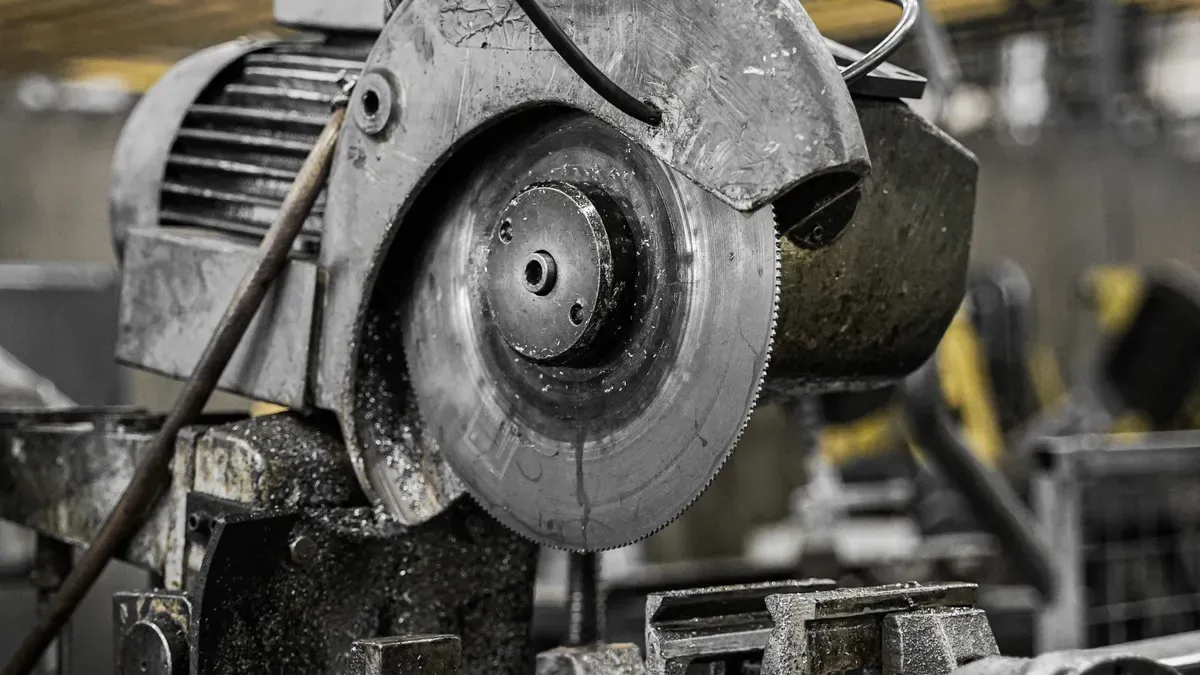
High-speed converting operations require an extremely rigid machine frame design. Heavy steel wall plates minimize machine vibration during demanding converting runs. When you run a high-speed film slitting machine at operational speeds up to 800m/min, frame stability prevents unwanted mechanical resonance. Heavy structural side plates absorb dynamic stress and maintain precise roll alignment across the entire web path. Solid structural architecture keeps core machine components aligned during heavy mechanical loads and high web tensions.
Rigid slitting equipment housing protects long-term operational performance. Reduced structural vibration protects delicate bearing assemblies and prevents subtle blade misalignment. You maintain clean cut edges during extended production cycles without requiring frequent machine stops. Solid machinery construction ensures steady material handling, enhances overall operational efficiency, and delivers consistent finished roll quality during continuous production runs. Proper structural stiffness also dampens internal floor vibrations, protecting delicate optical sensors, web guide rollers, and mechanical drives.
Automated Knife Positioning and Controls
Modern industrial machinery integrates advanced PLC controls and intuitive touch screen interfaces. You raise your plant automation level significantly through intelligent recipe management and motorized knife setup. Automated positioning systems adjust upper and lower circular blades to exact target slitting widths quickly. This automated setup eliminates manual measurement errors during frequent order changeovers. Smart digital control systems store hundreds of custom slitting recipes for instant recall on future production runs.
Smart blade positioning dramatically speeds up job setup times across complex film slitting operations. Operators enter precise parameters directly on the central touch screen interface, reducing knife setting time from hours to minutes. Faster job changeovers maximize overall production efficiency while optimizing total material yield. Reliable digital controls streamline every slitting process, boost daily production output, and secure superior operational results across all specialized slitting equipment installations. Advanced control software monitors operating parameters continuously, ensuring total quality control during fast converting cycles.
Selecting the Right Sanhui Machinery Slitting Machine
Sanhui Machinery builds specialized slitting units for composite converting operations. We produce equipment options ranging from Model 320 to Model 3500. These systems process delicate multi-layer flexible substrates with complete ease. Every laminated film slitting machine incorporates a robust structural frame design. Heavy-duty frame walls effectively prevent dynamic machine vibration during active runs. Consequently, you maintain pristine web alignment across demanding packaging conversion jobs.
Standard vs High-Speed Model Capabilities
You must match overall machine capability directly with your specific plant needs. Standard models operate smoothly at running speeds between 200 m/min and 400 m/min. Small flexible packaging converters handle short-run orders quite efficiently with standard units. Compact body architecture saves valuable floor space inside smaller working facilities. Standard units cut diverse packaging materials cleanly while keeping operational costs low.
High-speed models reach impressive top speeds of up to 800 m/min. High-volume converters require this rapid output rate for continuous daily processing. Advanced automation systems drive these high-capacity production units. Modern PLC units and touch screens control every film slitting machine function. Operators program custom recipes instantly without stopping active production lines for long. High-speed units enhance total efficiency across heavy daily operating schedules. These systems deliver excellent slitting performance for high production volume orders.
Selecting a high-performance slitting machine significantly boosts overall factory yield. You reduce material waste while maintaining strict quality standards across every job. Strong structural housing protects core internal components during fast production runs. Therefore, your slitter maintains sharp cutting accuracy of ±0.1 mm during long shifts. Sanhui machinery helps flexible packaging converters meet tough production goals consistently.
Technical Decision Matrix and ROI
Evaluating key equipment parameters ensures you select optimal slitting equipment. You must compare unwind sizes, weight limits, and winding precision before purchase. Horizontal and vertical frame layouts suit different physical plant constraints. The following technical decision matrix details core machine parameters for accurate flexible packaging film evaluation:
|
Selection criterion |
Specification from source |
|---|---|
|
Unwind diameter |
Vertical models: 800 mm / 1000 mm; Horizontal models: 1200–1600 mm |
|
Rewind end face flatness |
≤0.5 mm |
|
Load capacity |
Up to 1500 kg; specific models over 3000 kg |
Unwind diameter selection directly dictates your raw material master roll handling. Vertical models support smaller unwind roll diameters of 800 mm or 1000 mm. These compact machine designs fit easily into tight factory spaces. Larger horizontal models handle massive unwind diameters ranging from 1200 mm to 1600 mm. Big master rolls reduce roll change frequency and elevate overall plant efficiency.
Load capacity options match your heavy raw material processing requirements. Heavy-duty frames support raw film roll weights up to 1500 kg. Specialized industrial models support massive rolls weighing over 3000 kg easily. Heavy loading units prevent mechanical strain during rapid operational acceleration cycles.
Rewind end face flatness remains vital for downstream converting process success. Sanhui equipment holds rewind end face flatness within ≤0.5 mm consistently. Precise edge alignment prevents roll telescoping during product transit and storage. Clean roll faces protect print quality on finished flexible packages.
Investing in a dedicated laminated film slitting machine guarantees superior production results. High precision reduces material scrap during complex multi-layer film slitting jobs. Less material waste directly boosts your daily business profit margins. You achieve short payback periods while building long-term converting capacity. Match your exact substrate properties with our proven hardware to secure reliable flexible packaging output.
Finding the perfect laminated film slitter relies on three key technical factors. You need a sharp shear slitting system, smooth tension control, and a solid frame. These features ensure high cutting quality and improve your daily work output. Packaging companies get the best factory performance by choosing the right slitting tools.
Sanhui Machinery provides top custom film slitter rewinders for all your packaging needs. Our machines keep strict quality standards even at very high speeds. Reach out to Sanhui Machinery's team today to test your material, get roll quality checks, or request a custom price quote for your plant.
FAQ
Why should flexible packaging converters choose shear slitting over razor cutting for multi-layer laminates?
Razor blades rip soft composite layers and make rough edges on thick laminates. Shear slitting uses circular top and bottom knives. This moving scissor cut slices cleanly through barrier films without splitting delicate edge layers. You keep high quality standards on every cut roll.
How does automatic closed-loop tension control improve film production output?
Multi-layer materials show unequal thickness levels across the web. Automatic tension systems check roll sensors continuously. They adjust braking forces right away to stop web stretching and telescoping. You keep steady material flow while raising total daily work output.
What slitting accuracy and running speed can you expect from Sanhui Machinery models?
Sanhui high-speed slitter models reach fast top speeds up to 800m/min. Standard models run well between 200m/min and 400m/min. Solid machine frames and sharp knife sets keep exact slitting accuracy within ±0.1mm to meet strict flexible packaging needs.
What warranty coverage applies to Sanhui film slitting machines?
Sanhui Machinery gives a standard one-year warranty for the full machine. Main machine parts include two-year warranty coverage. You also get ongoing remote technical help to prevent factory delays during nonstop daily packaging converting work.