The Ultimate Guide to Foam Slitting Machines
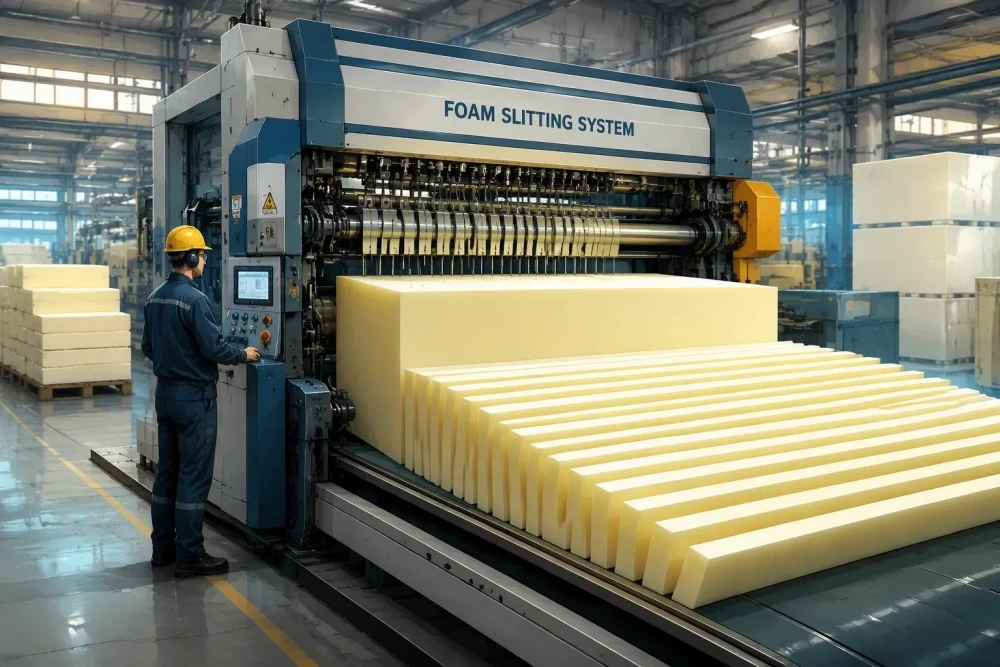
A foam Slitting Machine is a special industrial tool. It cuts large foam blocks or rolls into thinner strips or sheets with great accuracy. It reduces waste during foam processing. Industries like furniture, packaging, automotive, and insulation use foam as a key material. The global market for foam cutting machines reaches USD 175.0176 million in 2024. The market expects a compound annual growth rate of 6.2% from 2024 to 2032. This growth shows the rising need for efficient foam processing.
Modern CNC foam cutting achieves up to 85% material use, cutting waste by nearly half compared to manual methods.
But how does this machine work, and what should you think about before buying one? This guide explains the machine's parts, types, and how to choose. You will make a smart choice.
Key Takeaways
-
Foam slitting machines cut big foam blocks into exact strips, which cuts down on waste and saves time.
-
These machines are used in many industries, such as furniture, packaging, cars, and insulation.
-
Key parts are the cutting head, conveyor, rewind stand, and PLC control system.
-
Pick the machine type—vertical, horizontal, rotary, or CNC—that fits your material and production needs.
-
Choose a machine that fits your foam's density, block size, and how much output you need for the best results.
-
Think about all the costs, like upkeep and automation, not only the buying price.
-
Sanhui Machinery gives you custom options, modern tech, and solid help whenever you need it.
What a Foam Slitting Machine Does
A slitting machine cuts big blocks of soft material, called buns, into thin strips or sheets. You use it to change bulky raw material into useful parts for many products. This process cuts down waste and saves time. Cutting by hand leads to uneven edges and more waste. A slitting machine makes clean, straight cuts every time.
What It Does and Its Main Purpose
Turning Large Buns into Usable Strips
The main job of this machine is to change the shape. You begin with a big foam bun from the maker. These buns come in set sizes. You can cut a block up to 51 inches tall and 88 inches wide. The length can be up to 132 inches. These numbers show how big the material you work with is.
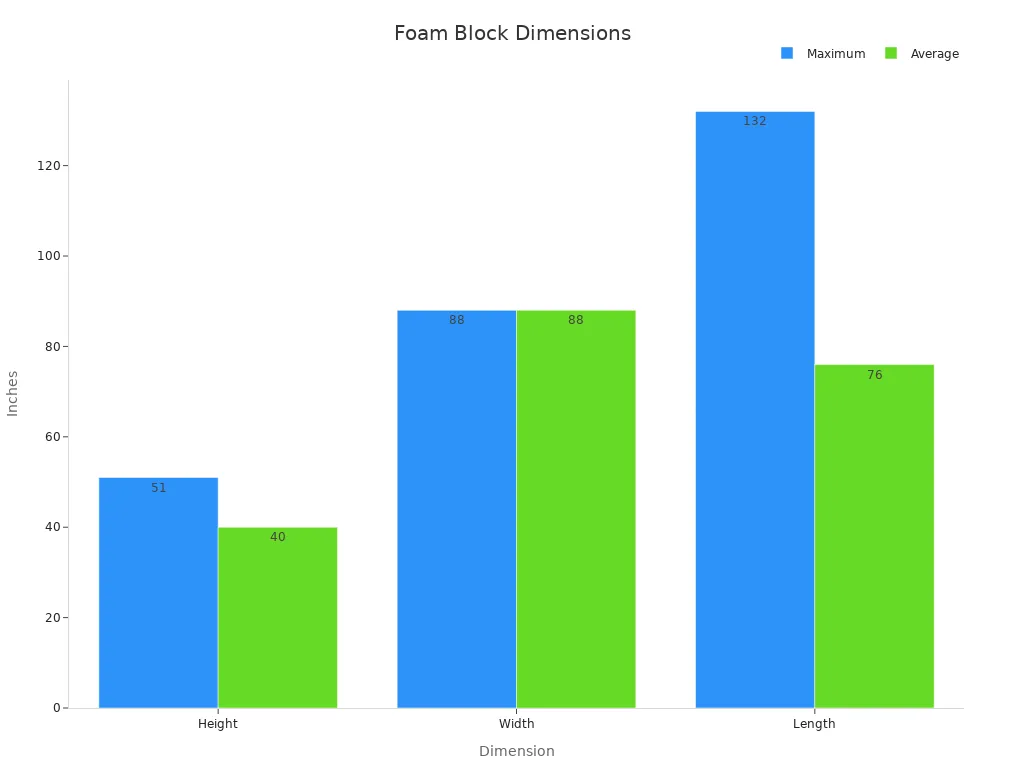
The machine cuts the bun into thinner strips along its length. This step is called slitting.
Slitting means cutting rolled or sheet materials, like foam, into strips of different lengths and widths to meet exact size requirements.
After the foam is first made, the material goes through slitters as part of the change process. This step is a common way to shape foam. You get strips that fit your production needs exactly. A Horizontal Slitting Machine works with big materials like a 2-meter tall foam bun. It cuts them into standard sheets or strips with little waste and high speed. A vertical cutter would not work well for this job.
Making Sure Cuts Are Precise and Consistent
Accuracy is important when cutting foam. Even tiny mistakes in width cause issues in the final product. A slitting machine gets very tight tolerances. The tolerance depends on the width of the strip you cut. Narrower strips need tighter control. The machine keeps this control for the whole run.
|
Material Class |
Width < 25 mm |
Width 25–160 mm |
Width > 160 mm |
|---|---|---|---|
|
Sponge/Foam (BL3) |
±0.63 mm (±0.025") |
±0.81 mm (±0.032") |
Multiply by 0.0063 |
For standard cuts, you can expect tolerances from ±0.010 inches to ±0.031 inches. High-precision machines go down to ±0.005 inches. This accuracy means every strip you cut matches the spec. You get the same results from the first cut to the last. This repeatability is important for industries that need uniform pieces.
Industries That Use Foam Slitting
Many industries rely on slitting machines to make their products. Each industry has different needs, but they all require accurate, fast cutting.
Furniture and Upholstery Making
Furniture makers use foam for cushions, seats, and the backs of chairs and sofas. You need strips of material in certain widths and thicknesses. A slitting machine cuts the material to size. You get even cushioning that fits into frames perfectly. The same density and shape makes the furniture more comfortable and lasts longer. Makers also cut waste by using the exact sizes needed. This method saves money and materials. You can make hundreds of identical strips in one run. This speed keeps production lines running smoothly.
Packaging and Protective Materials
Packaging companies use cushioning material to guard products during shipping. Inserts, padding, and corner protectors all come from slit sheets. You need clean cuts so the material fits tightly around the product. A slitting machine makes strips with smooth edges. These edges do not shed particles or leave debris in the package. The machine's accuracy helps you make custom packaging solutions fast. Custom packaging needs exact dimensions. The insert must fit the product perfectly. A slitting machine gets this accuracy.
Car and Sound Insulation
Car makers use foam for sound proofing, heat insulation, and inside parts. Sound panels in cars and buildings use material to soak up sound waves. You need strips of material that fit into tight spaces. A slitting machine cuts the material to exact sizes. The cuts are clean and consistent. This quality makes sure the insulation works as planned. The car industry also uses this material for seat cushions and headliners. Each of these uses needs precise cutting to meet safety and quality rules. The industry has strict quality rules for cushioning parts. A slitting machine helps you meet these rules.
Sanhui Machinery has a range of slitting machines for these industries. The machines work with different densities and thicknesses. You can trust Sanhui for equipment that meets your specific processing needs.
Key Components of a Foam Slitting Machine
A foam slitting machine is made of several parts. Each part has its own job. The unwind stand feeds the material in. The cutting head slices it. The rewind stand collects it. The control system connects everything. If one part breaks, the whole line stops. Knowing these parts helps you pick the right machine.
Core Mechanical Parts
The Cutting Head and Blade Types
The cutting head holds the blade. The blade type must match the foam density. The wrong blade makes rough edges. It also makes a lot of dust.
|
Foam Density/Type |
Recommended Blade Types |
|---|---|
|
Flexible Polyurethane (low-density) |
Knife edge, Scallop, V-Tooth bandknife blades |
|
Memory Foam (medium to high density) |
Scallop, V-Tooth, CNC blades (14T to 24T) |
|
Polyethylene (closed-cell) |
V-Tooth, C-Tooth, or Scallop for cleaner finish |
|
Rigid Foam (high density) |
Bandsaw blades: Simcor, Butcher, Flexback, Hardback, Bi-Metal M42 |
The slitting section uses three main ways. Razor slitting works well for light films. Shear slitting uses two rotary knives. It gives clean, exact cuts. Score slitting, or crush cutting, is for heavier materials. The method you pick affects cut quality.
The Conveyor and Feeding System
This system moves the material into the cutting area. It keeps the material lined up. Electronic edge sensors find the material edge. The system then adjusts itself side to side.
-
The system feeds rolled goods without tension. This stops stretching.
-
A high-flow vacuum with holes holds the material flat. This stops shifting during the cut.
-
Pneumatic clamps hold foam blocks in place. This lowers variation in block position.
The Rewinding and Take-Up Mechanism
After slitting, the machine winds the narrow strips onto cores. The rewind stand has its own tension control. Proper tension is very important here. Without it, rolls can telescope or have loose edges. The goal is a tight, straight-sided roll. This keeps the finished product even in density.
Control and Safety Systems
PLC and Digital Control Interfaces
Modern machines use a PLC and a touch screen. You set the width, speed, and tension on the screen. The PLC runs the whole process by itself. This makes it a true automatic foam cutting machine. It needs less operator attention. The system keeps steady tension from start to finish. This boosts product quality and production speed.
Safety Guards and Emergency Stops
An automatic foam cutting machine needs strong safety features. Safety comes first. Machines have clear shield panels and locked doors. These stop contact with moving blades. Emergency stop buttons sit at many spots.
|
Safety Feature Category |
Description |
|---|---|
|
Physical Guarding |
Transparent shields, interlocked doors, light curtains, and presence-sensing devices. |
|
Thermal Safety |
Insulation around heated elements, automatic temperature controls, over-temperature protection. |
|
Dust Extraction |
Integrated systems capture airborne particulates at the source, improving air quality. |
|
Ergonomics |
Adjustable-height platforms, tilt tables, and lift-assist devices reduce operator fatigue. |
|
Training & Documentation |
Clear manuals, on-machine labeling, and lockout/tagout support ensure safe procedures. |
Thermal safety features include insulation around heated parts. Automatic temperature controls stop overheating. Built-in dust systems catch particles in the air. This makes the air cleaner. Adjustable-height platforms cut down on tiredness. Clear manuals and lockout/tagout help keep the workplace safe.
How Foam Slitting Machines Work
A foam slitting machine follows a simple set of steps. You load the material, set the settings, and let the machine cut the foam block. The machine can use a blade or a hot wire. Hot wire cutting works well for softer foam. Blade cutting works better for harder foam. Sanhui Machinery builds machines that run at high speeds. This speed lets you cut a lot of foam fast. Knowing each step helps you do a good job.
Step-by-Step Operational Workflow
Loading and Securing the Foam Block
You start by placing the foam block onto the conveyor. The machine has a feed system that moves the material into position. You must line up the block right. If it's not lined up, you waste foam. The system uses pneumatic clamps or vacuum hold-downs to hold the foam still. These devices keep the foam steady during the cut. When the block is still, the cuts are clean. You also need to look for flaws in the block before loading. Taking out bad parts saves time later.
Setting the Desired Width and Speed Parameters
Next, you set the cutting settings. You use the touch screen to type in the strip width. The machine can cut strips to very thin widths. You also set the running speed. High-speed models reach high speeds. The machine automatically measures the foam block. The PLC runs the whole process. It moves the blade and the conveyor. The screen shows you the current settings. You can make changes quickly. This automatic foam cutting machine means you don't have to adjust it by hand as much. You get the same results from one run to the next.
Executing the Cut and Managing the Output
The machine begins cutting. The blade or hot wire cuts through the foam. The conveyor moves the foam at a steady speed. The cut strips go to the rewind area. The machine rolls each strip onto a tube. The tension control system keeps the roll even. You watch the output on the screen. If a problem occurs, the machine stops. You can fix the problem and start again. This automatic foam cutting machine does the whole job. You just need to check the quality of the strips.
The Role of Tension and Blade Sharpness
Maintaining Consistent Tension for Clean Cuts
Keeping the right tension is very important for clean cuts. The machine must keep the foam tight during the whole cut. Consistent tension stops problems. You avoid wrinkles, stretching, or tearing. The foam stays flat and straight. This accuracy helps you meet the size requirements. If tension is not even, cuts are crooked. The edges are not straight. The machine's tension control system adjusts by itself. It keeps the pull the same from start to finish. This feature is key for thin or soft materials. You get a straight cut each time.
The Importance of Blade Maintenance and Replacement
The blade must be sharp for cutting foam. A dull blade rips the foam. It makes rough edges and dust. You need to look at the blade often. Set the blade guide distance based on the foam's thickness. This stops shaking during the cut. Wrong blade tension makes it wobble. The blade goes off track. You get bad cuts. Follow the maker's care schedule. Replace the blade when it looks worn out. A sharp blade cuts faster and makes cleaner edges. This cuts down waste and makes production faster. Sanhui gives advice on blade care. You can keep your machine working well for every production run.
Types of Foam Cutting Machines
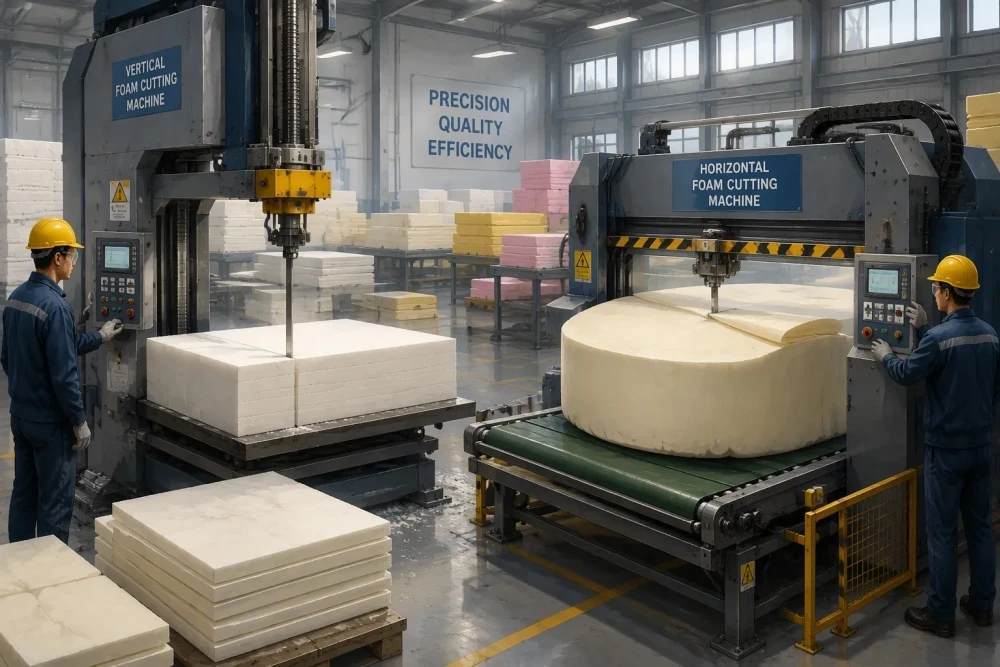
You have several choices when picking a foam cutting machine. Each type does a different job. The best pick depends on your material, how much you make, and the shapes you need. Knowing the differences helps you choose the right machine for your work.
Vertical Foam Cutting Machine
A vertical foam cutting machine has a blade that moves up and down through the foam block. You feed the material sideways into the cutting area. This design works best for cutting thick blocks into sheets or custom shapes. The blade follows a pattern or a set path, giving you exact control over the final piece.
Ideal for Cutting Thick Blocks into Sheets
You use a vertical foam cutting machine when you need to turn large buns into smaller sheets. The vertical blade cuts through the block's height, so you can slice pieces as thick as the whole block. This method works well for medium-density foams. You can change the blade speed to match how hard the material is. The result is a clean, straight edge that needs little extra work.
Common Applications in Custom Cushioning
Custom cushioning depends a lot on the vertical foam cutting machine. Furniture makers use it to trace patterns for seat cushions and backrests. This lets workers follow exact shapes right on the foam surface. You can make ergonomic curves that match your design perfectly. Car suppliers also use this method for seat foam shapes. One supplier dramatically reduced rejection rates after switching to precision vertical cutting, and the machine paid for itself quickly through less waste and lower labor costs.
Horizontal Foam Cutting Machine
A horizontal foam cutting machine moves the blade side to side through the foam block. You place the block on a conveyor, and the blade peels off thin layers from the top. This machine is great at making even sheets from large buns.
Designed for Peeling Thin Layers from Large Buns
The horizontal foam cutting machine uses a band blade that moves side to side. You set the thickness you want on the control panel. The machine then cuts the block into sheets with very steady results. Some models let you set thickness in very fine steps. The cut sheets stay stacked on the block, so the machine can run on its own without someone watching. This feature makes the machine perfect for high-volume production.
Use Cases in Mattress and Packaging Production
Mattress factories rely on the horizontal foam cutting machine for comfort layers and quilted toppers. You can slice a 2-meter tall bun into sheets of different thicknesses for different mattress areas. Packaging makers use the same machine to create protective inserts. The horizontal method gives you clean, flat sheets that fit snugly around products. This accuracy cuts down on material waste and keeps quality steady across every batch.
Rotary and CNC Foam Cutting Machines
For fast production and complex shapes, you use rotary and CNC systems. These foam cutting machines offer automation and precision that manual methods cannot match.
High-Speed Slitting of Foam Rolls
Rotary machines use a nonstop cutting action. You feed the foam roll through the machine, and rotating blades cut it into narrower strips. This method works well for packaging makers who need large amounts of standard-width material. The nonstop operation keeps your production line moving without stops.
CNC for Complex Shapes and Precision
CNC foam cutting machines use computer-controlled blades or hot wires. You program the design into the system, and the machine cuts with accuracy of a fraction of a millimeter. This ability is key for tricky curves and detailed 3D shapes. You can make custom packaging inserts, architectural models, and interlocking furniture parts with perfect repeatability. The computer removes human mistakes, and optimized cutting paths reduce scrap material.
|
Aspect |
Horizontal Blade Systems |
Vertical Continuous Systems |
|---|---|---|
|
Cutting Direction |
Horizontal blade moves through foam block |
Vertical blade cuts as material feeds continuously |
|
Primary Application |
Block slicing into sheets, mattress production |
Continuous sheet cutting, high-volume packaging |
|
Throughput |
Higher throughput (intermittent processing) |
Lower throughput (continuous operation) |
|
Flexibility |
Excellent for variable thicknesses and custom cuts |
Optimized for repetitive patterns and standard sizes |
|
Floor Space |
Larger footprint |
More compact vertical design |
|
Operator Skill Required |
Moderate (setup and material handling) |
Lower (automated feeding systems) |
|
Price Range |
Higher price range |
Lower price range |
|
Ideal For |
Mattress factories, custom foam products |
Packaging manufacturers, insulation producers |
Sanhui Machinery offers both vertical and horizontal models to fit different needs. You can find a machine that matches your production goals and budget.
Comparing Foam Cutting Machines
When you pick a foam cutting machine, you mainly choose between vertical and horizontal types. Each one does a different job. Your material, space, and production goals decide which one works best. Knowing the main differences helps you buy with confidence.
Key Differences in Operation and Output
Cutting Orientation and Material Flow
The cutting direction changes how material moves through the machine. A horizontal machine can handle blocks up to 51 inches tall, 88 inches wide, and 132 inches long. This size allows steady sheet production. You feed the block in one end, and sheets come out the other. The material flow stays smooth and efficient. A vertical foam cutting machine takes up less space. You save room in your workshop. The vertical design works well for squaring blocks. You get material ready before horizontal slicing. The direction also affects output quality. Horizontal machines achieve high thickness accuracy. This precision reduces material waste compared to lower-accuracy machines. Vertical machines shine at profile cutting. You can make contoured shapes easily. But you give up some size accuracy for shape flexibility.
Production Speed and Automation Levels
Speed and automation differ a lot between the two types. Horizontal machines run fast. You can process bulk foam quickly. Advanced software boosts productivity. You make changes on the fly without stopping the line. This setup works great for high-volume work. Vertical machines run slower. You choose flexibility over speed. Automation exists but is not the main focus. You get more customization options instead of raw output. For quick jobs, the horizontal machine wins. For custom work, the vertical machine gives you more control.
Matching Machine Type to Application
Choosing Based on Foam Density and Thickness
Foam density matters a lot in your choice. Higher-density foams, like mattress grades, are tougher. They dull blades faster. You need a stronger machine with better feed control. This strength keeps cutting accurate. A horizontal foam cutting machine suits lower-density foams. You make flat sheets in large amounts. The machine handles very hard materials less well. A vertical foam cutting machine handles denser foam types. You cut blocks or profiles upright. The machine meets the strength needs of high-density materials. Soft upholstery foam may not need this strength. You can use a lighter machine for those jobs.
Choosing Based on Desired End-Product Shape
Your final product shape decides the right machine. Start by defining your use clearly. Know your material types and production goals. Check the material type and thickness. Match them to avoid cutting problems. Pick the right cutting method. Options include CNC hot wire, laser, or die cutting. Think about the accuracy you need. Higher accuracy requires advanced CNC systems. Consider production speed for large output. Multi-head or auto-feed machines work best. Make sure software works with CAD/CAM formats like DXF or G-code. Finally, measure your workspace. The machine stroke must fit your factory layout. These points guide you to the right foam cutting machines for your needs.
Sanhui Machinery offers both types of foam cutting machines. You can handle various materials and densities. The right machine boosts your output quality and cuts waste.
How to Choose the Right Foam Cutting Machines
Picking the right machine takes careful thought. You need to match the machine to your material, your production goals, and your budget. A bad choice wastes material and time. A good choice makes work faster and saves money.
Assessing Your Material and Production Needs
Start by knowing what you work with. You need to know your foam type, its density, and the block sizes you handle. You also need to know how much foam you must cut each day. These facts guide every other choice.
Evaluating Foam Type, Density, and Block Size
Foam density changes how cutting works. Different densities need different blade types and machine settings. Low-density foam cuts easily with regular blades. High-density foam needs stronger blades and slower speeds. The wrong setup makes rough edges or uneven thickness.
Block size tells you how much cutting capacity you need. Bigger blocks need horizontal cutting machines with enough room and blade length. A vertical machine cannot handle a large bun. The machine setup must match the block size and output needs. You must look at density and block size together with production volume and required thickness.
Think about what materials the machine can work with. Some foams react badly with certain blade materials. This can hurt product quality and safety. Cutting speed and blade temperature may change based on the foam's chemicals. You need a machine that lets you fine-tune these settings.
Different end uses for different foam types can help you choose. Some uses need stricter quality control and safety rules. For example, car insulation needs tighter tolerances than general packaging.
Large foam blocks need special equipment for exact horizontal cuts. A horizontal foam cutting machine slices big blocks into even layers. Vertical machines cannot handle these sizes. The machine setup must be sized to the block size and the needed output. The blade path and cutting bed must fit the full block width and length.
Calculating Required Throughput and Volume
You must know your daily output target. Figure out how many strips or sheets you need per shift. This number tells you the machine speed and automation level you need.
According to industry research, picking the right equipment based on output can significantly improve production efficiency and reduce material waste.
Picking the right equipment based on output can significantly improve production efficiency and reduce material waste.
The table below shows how machine types match production scales:
|
Machine Type |
Typical Flow Range |
Suitable Production Scale |
|---|---|---|
|
Small Low Pressure Machine |
Low flow rate |
Small workshops |
|
Medium Low Pressure Machine |
Medium flow rate |
Medium factories |
|
Standard High Pressure Machine |
High flow rate |
Large factories |
|
Large High Pressure Machine |
Very high flow rate |
Continuous production lines |
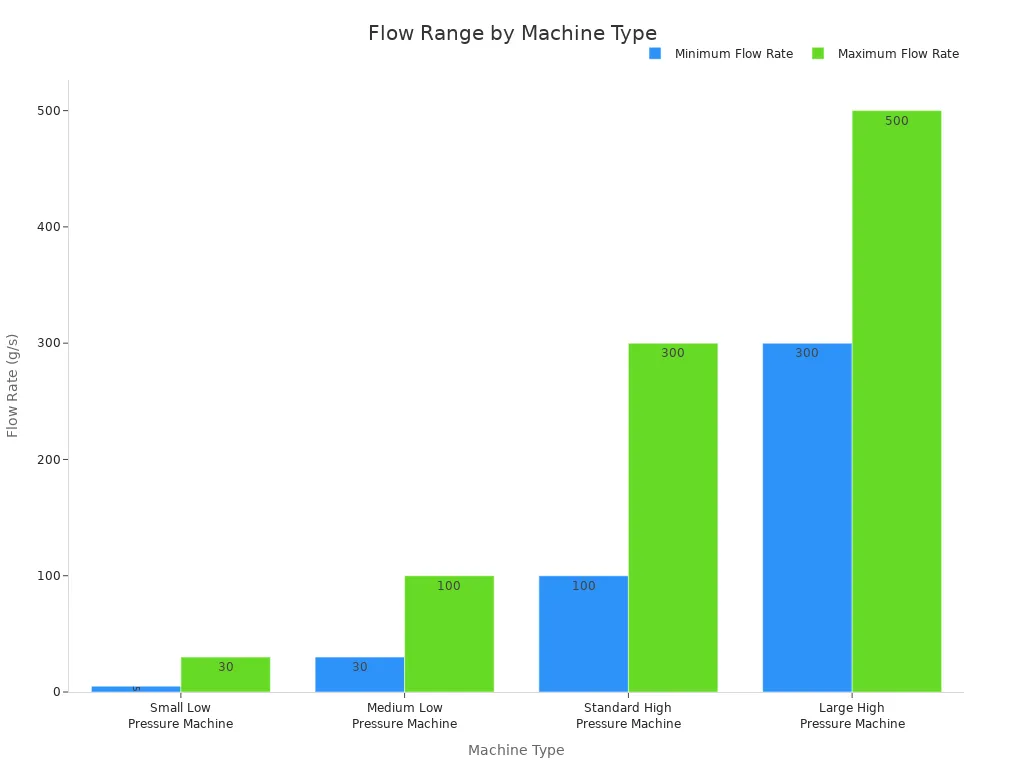
This data shows the link between output capacity and machine choice. Small workshops need less capacity. Large factories need high-pressure systems for continuous work.
Budgeting and Cost Considerations
Money matters when buying equipment. You must look past the sticker price. The total cost includes operation, maintenance, and downtime. A cheap machine may cost more over time.
Initial Investment vs. Long-Term Operational Costs
The purchase price is only the start. You must add energy use, blade changes, and maintenance. A machine that breaks often stops your production line. Each stop costs you lost output.
Most high-volume manufacturers achieve full ROI quickly.
Most high-volume manufacturers achieve full ROI quickly.
This payback period shows the value of buying quality equipment. The savings from less waste and faster production add up quickly.
The Value of Automation and Advanced Features
An automatic foam cutting machine cuts labor costs. You need fewer operators to run the line. The machine does repetitive tasks with steady accuracy. This cuts errors and material waste. Another automatic foam cutting machine option has auto roll change features. This feature cuts downtime further and boosts output.
Automation also makes things safer. Machines with PLC controls and safety guards protect workers. You avoid costly accidents and downtime. Advanced features like automatic tension control keep quality steady. You make better products with less supervision.
Why Choose Sanhui Machinery for Your Slitting Needs
Sanhui Machinery builds foam cutting machines for many industries. The company has focused on slitting equipment for over ten years. You get machines made for real-world production needs.
Customized Solutions and Advanced Technology
Sanhui offers custom solutions. You can adjust machine specs to match your material and output goals. The machines use advanced automation technology. PLC controls and touch screens make operation simple. You can set parameters quickly and watch the process in real time.
The machines handle many materials. You can cut plastic films, paper, aluminum foil, and non-woven fabrics. This versatility makes Sanhui machines a smart buy for growing businesses.
Comprehensive Support and Warranty Services
Sanhui offers a comprehensive warranty on the machine and core parts. You get peace of mind with your purchase. The company offers round-the-clock technical support. If a problem comes up, you get remote help for common faults. For serious issues, a home visit is set up quickly.
Installation and setup for standard models are completed in a few days. Sanhui provides on-site training for international customers. Your team learns to run the machine safely and well. This support keeps your production going smoothly from day one.
Choosing the right foam cutting machines takes time. You must look at your material, figure out your output, and plan your budget. Sanhui Machinery helps you through this process. You get a machine that fits your needs and a partner who supports you long after the sale.
A foam slitting machine turns big foam blocks into exact strips with little waste. You now know its main parts, how it works, and the different kinds you can pick from. This info helps you choose the right machine for what you need to make.
Good foam cutting machines give you real benefits. You waste less material, get cleaner cuts, and get more work done. These gains mean lower costs and happier customers.
Ready to improve your foam cutting line? Contact Sanhui Machinery today to talk about your needs. Our team helps you find the best foam cutting machines for your work. Look at our slitting equipment and see why makers around the world trust Sanhui as their partner.
FAQ
What materials can a foam slitting machine cut?
These machines can cut many rolled materials. Plastic films like PET, OPP, PE, and PVC work well. Roll papers such as kraft paper, coated paper, and adhesive sticker paper also cut cleanly. Aluminum foil and non-woven fabrics work too. The machine handles each material with steady precision.
How accurate is the slitting process?
The machine cuts with accuracy down to ±0.005 inches (0.127 mm) for high-precision models. The rewinding end face flatness is kept very tight. This precision means every strip you make matches the same spec. You get consistent results from the first cut to the last.
What is the maximum operating speed?
High-speed models reach high speeds. Standard models run at various speeds. You should expect stable running speed at a good percentage of the rated speed. This range gives you reliable performance without overworking the machine parts.
Can I customize the slitting width?
Yes, you can set the slitting width to fit your needs. The smallest slitting width is very thin. The number of strips you can cut depends on the total material width divided by your chosen strip width. You adjust the settings easily through the touch screen.
What is the warranty period for these machines?
Sanhui offers a comprehensive warranty for the machine and core parts. This coverage protects your investment and gives you peace of mind. You can focus on production without worrying about surprise repair costs.
How long does installation take?
Standard models take a few days to install and set up. Sanhui provides on-site training for international customers during this time. Your team learns to run the machine safely and well. You start production quickly with little downtime.
What happens if the equipment breaks down?
Sanhui offers round-the-clock technical support for all customers. For common faults, you get remote help to fix the issue. If the problem needs hands-on work, a technician visits your site within a short time. This fast response keeps your production line moving.
How much more does an auto roll change slitter cost?
An auto roll change slitter costs significantly more than a standard model. This higher price brings big benefits. You cut downtime between rolls and boost production efficiency. For high-volume work, the investment pays for itself quickly through more output.