Top Leather Slitting Machines Reviewed for 2026 Pros, Cons, and User Feedback
The best leather Slitting Machines for 2026 are grouped by what they do best. The Druckel V3 works well for all-around leathercraft jobs. Kamege and Camoga band knife splitters are made for precision workshops. Budget manual splitters, like the 3795-00 Deluxe, fit shops that are just starting out. The Sanhui Machinery slitting machine is built for large-scale industrial production. Each option earns its spot through technical performance, how well it fits the job, regulatory compliance, and cost. This review uses user reviews and feedback from leathercraft communities and industry buyers, not just spec sheets. What customers say often shows more than a brochure does. The buying decision starts with honest feedback. Readers will find the pros and cons of each machine, so they can match a model to their own production volume and budget.
 Key Takeaways
-
Pick the machine that fits how much you produce: manual splitters for small shops, band knife splitters for precise work, and industrial machines for high output.
-
Read user reviews and feedback to learn how machines work in real life, not just from spec sheets.
-
Keep in mind that embossing and slitting are two different jobs; a leather embossing machine adds texture, while a splitter controls thickness.
-
Think about costs over time, like blade upkeep and warranty coverage, not just the purchase price.
-
Pick a machine that fits your own leathercraft needs. This will help you work faster and get better quality.
2026 Leather Slitting Machine Comparison Table
Key Specs at a Glance
A side-by-side view helps buyers see how each machine type differs before reading the full reviews. The table below compares the four options on the features that matter most during a buying decision. Where a manufacturer does not publish a figure, the table marks it as not stated rather than guessing.
|
Machine |
Type |
Max Speed |
Slitting Accuracy |
Material Compatibility |
Price Range |
User Rating |
|---|---|---|---|---|---|---|
|
Druckel V3 |
Manual table-top splitter |
Not stated |
Not stated (adjustable scale rings) |
Vegetable-tanned leather, Shell Cordovan, goatskin, exotics |
$469.75 |
Not stated |
|
Kamege / Camoga |
Band knife splitter |
Not stated |
High precision (workshop grade) |
Leather and similar hides |
Camoga models from 1,300 EUR to 16,900 EUR |
Not stated |
|
3795-00 Deluxe |
Budget manual splitter |
Not stated |
Entry-level |
Leather and similar hides |
Budget tier |
Not stated |
|
Industrial slitting machine |
800 m/min (high-speed models) |
±0.1 mm |
Roll papers, plastic films, foil, non-woven fabric, labels |
$8,000–15,000 |
Not stated |
The Sanhui column uses data the company has published. This includes rewinding flatness of ≤0.5 mm, a 10 mm minimum slitting width, and a 1-year machine warranty with 2-year coverage on core components. These numbers help buyers compare how much work it can do against the manual options.
Price Ranges and User Ratings
Price covers a wide range across the four picks. The Druckel V3 costs $469.75, while Camoga band knife models go from 1,300 EUR to 16,900 EUR depending on size. Sanhui lists its slitting machine at $8,000–15,000 per set, and the price drops to $3,000 per set at ten units or more.
No overall ratings are published for any of the four machines, so customer reviews and what customers say in forums matter even more. Buyers looking at value should also know that leather embossing machine features, such as embossing rollers, are a separate equipment category. The best leather embossing machine will not slit leather, and buying a leather embossing machine should not take the place of a slitting machine in the budget. You get better efficiency when you match the machine to the task.
Druckel V3 Reviews
Performance and Build Quality
The Druckel V3 gets good reviews as a leather splitter that works for beginners and skilled makers alike. Owners say the frame is strong and stays steady during long work sessions. Blade adjustment uses scale rings, so a user can set a target leather thickness and come back to it later. Many user reviews and feedback praise how the thickness stays the same across a single hide. The tool handles vegetable-tanned leather, Shell Cordovan, goatskin, and exotic hides just as well. Ease of use stands out for leathercraft work. New users say the learning curve is short, and experienced makers like the repeatable setup. Real-world performance holds up across small production runs, and the build points to solid durability over years of regular use.
Pros, Cons, and User Feedback
What customers have to say about the Druckel V3 centers on value. At $469.75, it gives reliable performance for a fraction of band knife pricing. Owners point to its compact size and simple upkeep as the best features for a home or small shop. Feedback also notes limits. The manual feed fits modest volumes, and very wide hides need extra care. These points are facts, not flaws. The machine simply fits small-to-mid leathercraft shops best. Buyers comparing tools should remember that a leather embossing machine presses patterns into leather, while a splitter shaves thickness. The best leather embossing machine will not slit a hide, and a leather embossing machine purchase should not replace a splitter in the budget. Reviews confirm the V3 is a sound buying choice for craft-focused work. Shoppers weighing a leather embossing machine against a splitter should match each tool to its task, and a leather embossing machine belongs in a different budget line. Efficiency and quality both get better when the tool fits the job.
Band Knife Splitters: Kamege and Camoga
Precision and Application Fit
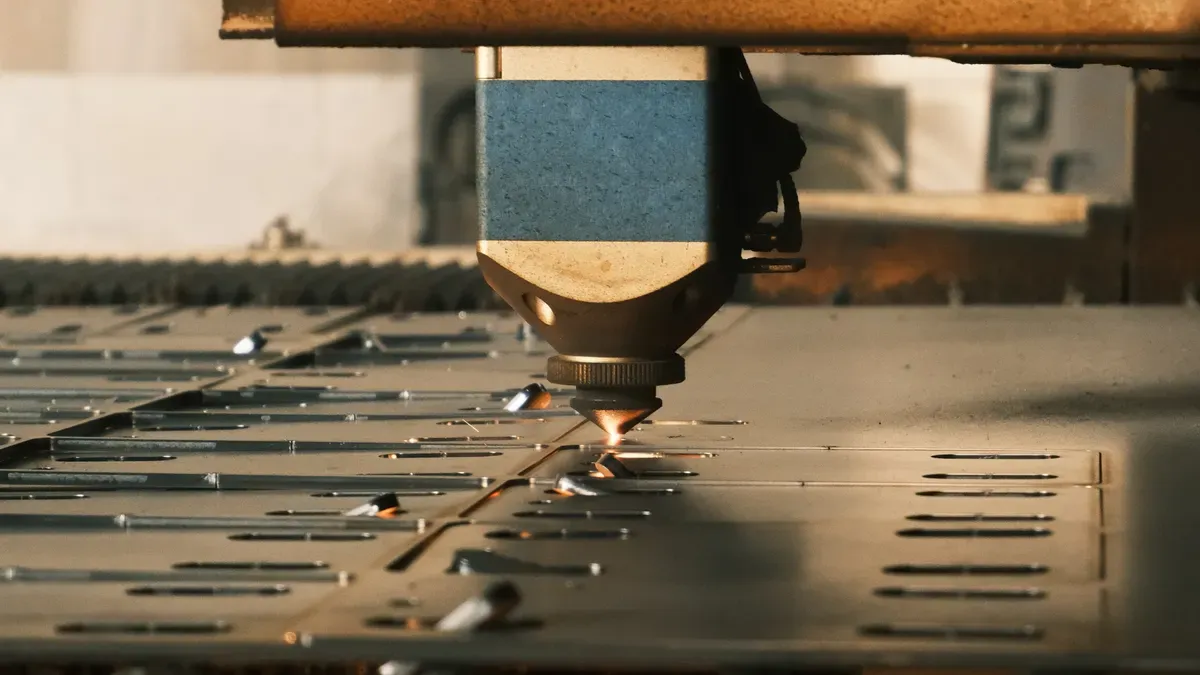
Leathercraft users on forums say a splitter that can handle serious work is a band knife machine. These machines keep tight tolerances over long runs. Camoga lists a splitting accuracy of 0.1mm, and splitting guidance mentions variance of no more than 0.1mm. That level of precision works well for professional workshops that handle demanding hides.
Kamege models show the application range clearly:
|
Model |
Working Width |
Price Range (USD) |
Applications |
|---|---|---|---|
|
Kamege K420L |
420 mm |
$8,657 – $10,303 |
Fabric splitting, leather bag splitting, leathercraft |
|
Kamege K520L |
520 mm |
$10,149 – $11,818 |
Leather splitting, band knife splitting, rubber/EVA splitting, leathercraft |
Accuracy and convenience stand out as strengths. Users mention steady cuts and simple operation. Feedback also points out some downsides. Band knife machines take up floor space and need careful blade care. A leather embossing machine does not replace one, and the best leather embossing machine will not split a hide. Buyers planning a leather embossing machine purchase should budget for it separately from a splitter.
Cost and User Reviews
Pricing context from user discussions puts new Kamege compact models around $8,000, and new Camoga models cost more. Reviews reflect that gap. Owners describe the machines as an investment for shops with steady volume. What customers have to say about durability is mostly positive, and the features support a long service life.
Buying decisions here favor professional workshops that focus on precision. Efficiency gains come from consistent output, not speed alone. The value shows up in fewer rejects. A leather embossing machine adds texture, and the best leather embossing machine serves that separate job. Shops weighing a leather embossing machine against a splitter should treat each as its own line item. A leather embossing machine and a leather splitter both earn their place, and a leather embossing machine fits a different workflow. Reviews of leather tools often mix the two categories, so buyers should read carefully.
Budget Manual Leather Splitters
The 3795-00 Deluxe and Similar Models
The 3795-00 Deluxe is a budget leather splitter for makers who want to shave hides without spending a lot. Reviewers see it as a practical starter tool. Many call it a must-have for a first workshop. The unit handles basic thickness reduction on common hides, and owners say it holds up for light, steady use. Reviews of similar budget models agree. Users say the tool covers simple jobs well and asks little in return.
Shoemakers often ask whether manual leather splitting machines are any good. The answer depends on volume. Users recommend manual models for short runs and mixed projects. They point to the 3795-00 Deluxe and similar hand-fed units as sensible picks. What customers say about these tools centers on control. A maker sets the thickness by hand and feels the cut directly. That feedback loop suits small batches. High daily output calls for a different class of machine.
Pros, Cons, and User Feedback
A leather skiver and a leather splitter do different jobs. A splitter shaves a hide to an even thickness across its full surface. A skiver thins only the edges, which helps folds and seams lie flat. Makers need a splitter for whole-hide leveling and a skiver for edge work. Each tool earns its place in a leather cutting workflow. Buying one will not replace the other.
Manual splitters fit hobbyists, startups, and low-volume shops best. They cost little, take up minimal space, and need no power supply. The features stay simple, and upkeep is easy. Owners note slower throughput and more operator effort as tradeoffs. Those points are facts about the category, not faults. A leather embossing machine is a separate purchase, and the best leather embossing machine will not split a hide. Shops planning a leather embossing machine should budget for it apart from a splitter. A leather embossing machine adds texture, while a splitter controls thickness. The best leather embossing machine serves pattern work alone. Pair a leather embossing machine with a splitter for full capability. Efficiency and value both improve when each tool matches its task. A leather embossing machine rounds out the shop, and a leather embossing machine purchase should follow the splitter decision.
Sanhui Machinery Slitting Machine Review
Speed, Durability, and Efficiency
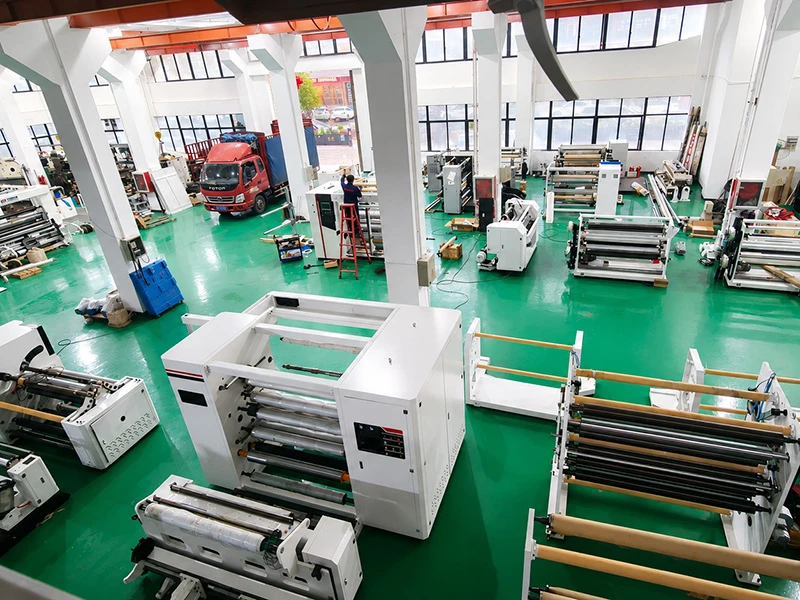
Wenzhou Sanhui Machinery Manufacturing Co., Ltd. began in 2014 in Wenzhou, China. The company makes slitting machines for packaging, printing, labeling, and flexible material work. Its product line goes from Model 320 to 3500, so buyers can pick a machine that matches their output. The design focuses on speed, durability, and efficiency for daily production.
The machine includes precision slitting cutter sets, full-automatic closed-loop tension control, and an EPC edge correction device. A PLC touchscreen interface keeps operation simple. Modular design speeds up maintenance, and safety and emergency stop devices protect the operator. These features support steady output and repeatable quality.
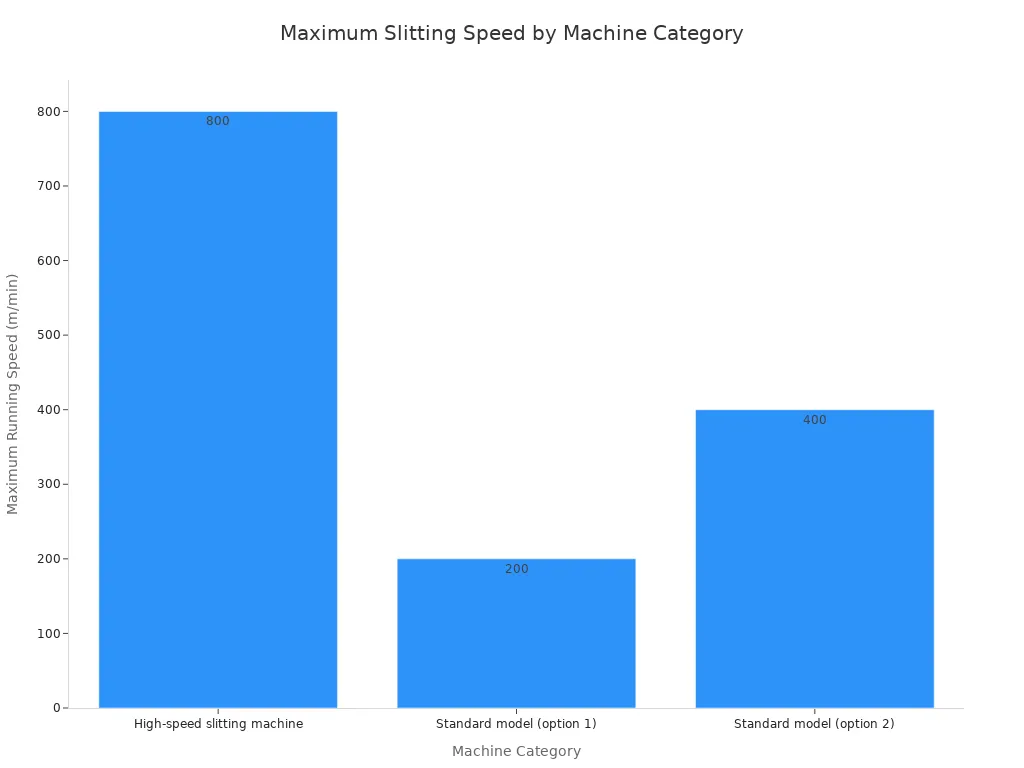
Sanhui Machinery states its high-speed slitting machine reaches a maximum running speed of 800 m/min, while standard models reach 200 m/min and 400 m/min; actual production speed varies with material thickness, width, and slitting accuracy, with stable operation generally at 70%–80% of rated speed.
Compliance, Cost, and User Feedback
The specs back up the claims. Slitting accuracy reaches ±0.1 mm, and rewinding end face flatness stays at ≤0.5 mm. The minimum slitting width is 10 mm. Unwinding diameters run 800–1600 mm, and rewinding diameters run 600–1200 mm. The warranty covers the machine for 1 year and core components for 2 years, with 24/7 technical support behind it.
Material compatibility covers roll papers, plastic films, aluminum foil, non-woven fabric, and self-adhesive labels. That range suits leather cutting workflows that also handle linings and backing sheets. What customers have to say about reliability centers on constant tension control and fewer rejects. What customers have to say about performance points to high-volume runs. This leather slitting machine fits scalable industrial production best. Buyers comparing a leather embossing machine should note that embossing is a separate process. A leather embossing machine adds texture, and the best leather embossing machine serves that job alone. A leather embossing machine will not slit rolls, and a leather embossing machine purchase belongs in its own budget line. Shops weighing a leather embossing machine against a slitter should treat each as its own category. A leather embossing machine and a slitter both earn a place, and a leather embossing machine fits a different workflow. The robust construction and precision of the Sanhui line make it a strong fit for high-volume work.
How to Choose a Leather Slitting Machine
Matching Machine Type to Production Volume
Buyer types fit neatly with machine types. Hobbyists and startups do well with manual or budget splitters. Small-to-mid leathercraft shops get flexible results from the Druckel V3. Precision workshops need band knife splitters from Kamege or Camoga. High-volume industrial operations should look at Sanhui Machinery slitting machines. A side-by-side analysis of daily output against machine capacity settles most decisions quickly.
Material and volume set the accuracy and speed targets. Thin leather and backing sheets need tight tolerances, while thick hides can handle more variance. A shop that runs short batches gains little from an 800 m/min machine. A plant that ships daily cannot absorb manual feed times. Buyers should also keep slitting and embossing separate. Embossing adds texture, and the best leather embossing machine serves that job alone. A leather embossing machine will not slit a hide, and a leather embossing machine buying guide covers a different purchase. Shops planning embossing should budget for a leather embossing machine apart from the splitter. A leather embossing machine and a slitter both earn a place, and a leather embossing machine fits a separate workflow. The best leather embossing machine rounds out a shop after the leather slitting machine decision.
Cost of Ownership vs. Initial Investment
Purchase price tells only part of the story. Blade maintenance, tension control, and warranty coverage shape long-term costs. Constant tension control cuts waste and protects cut quality. Automatic roll change costs 120–130% more than a standard slitter, yet it cuts downtime and lifts efficiency. Warranty terms matter too; Sanhui covers the machine for 1 year and core components for 2 years.
What customers have to say about value for your money often centers on uptime, not sticker price. Buyers weighing a leather cutting setup should match accuracy and speed to real volumes. Feedback from forums supports this buying approach. Efficiency gains follow when the machine fits the work, and embossing stays a separate line item.
For 2026, budget manual splitters work well for entry-level jobs, the Druckel V3 fits many kinds of leathercraft, Kamege and Camoga band knife splitters are made for precision workshops, and the Sanhui Machinery leather slitting machine handles large industrial output. A side-by-side comparison shows the right pick balances technical performance, how well it fits the job, regulatory compliance, and cost. User reviews and feedback should count for a lot next to spec sheets. Real user feedback shows what customers say about daily use. Embossing adds texture, so plan embossing on its own. A leather embossing machine does embossing by itself. Set aside money for embossing tools apart from slitting. Embossing and slitting are still separate steps. Match each leather tool to its task. This approach boosts efficiency, cuts waste, and improves quality.
FAQ
What does a leather slitting machine do?
A slitting machine cuts one large master roll into narrower rolls that are all the same width. For leather work, it shaves hides down to an even thickness. Industrial models like Sanhui's reach ±0.1 mm slitting accuracy and keep rewinding flatness at ≤0.5 mm. Manual splitters do the same job but at lower volume.
How does a leather embossing machine differ from a splitter?
A leather embossing machine presses patterns into the surface. A splitter controls thickness. These two tools do separate steps, so a shop needs both to cover everything. Embossing adds texture, and splitting sets the gauge. Buyers should set aside money for a leather embossing machine apart from the slitter.
Which machine suits a small leather workshop?
The Druckel V3 fits small-to-mid leathercraft shops at $469.75. Hobbyists and startups do well with budget manual splitters like the 3795-00 Deluxe. Precision workshops need band knife models from Kamege or Camoga. High-volume plants should pick a Sanhui slitting machine for output that can grow with them.
How much does an auto roll change slitter cost?
An auto roll change slitter costs 120–130% more than a standard slitter. That extra money cuts downtime and raises efficiency on long runs. Buyers should weigh that higher price against their daily output. Sanhui covers the machine for 1 year and core components for 2 years.
Does embossing replace slitting in a leather workflow?
No. Embossing and slitting are separate processes. A leather embossing machine adds surface texture, and a slitter sets thickness. The best leather embossing machine will not slit a hide. Shops planning embossing should treat a leather embossing machine as its own budget line, then pair it with a splitter.