How Do Label Slitting Machines Work Step by Step?
A label Slitting Machine turns wide master rolls into exact narrow rolls using three connected steps. First, the unwind shaft holds your big roll and keeps the material tight. Next, sharp cutting blades slice the material smoothly into your chosen widths. Finally, two rewind shafts wrap your thin strips onto separate paper tubes.
Machine operators, factory managers, and equipment buyers need clear mechanical details for daily work. Automatic cutting systems boost steady output across your whole factory. People using a high precision automated slitting machine cut their material waste by up to 25% compared to cutting by hand. This dependable process protects the quality of your products.
Key Takeaways
-
Label slitting machines change wide master rolls into thin rolls by unrolling, slicing, and rolling them back up.
-
Automated slitting systems increase factory output and lower material waste by as much as 25 percent.
-
Smart tension control systems stop the material from stretching, wrinkling, and leaking glue while it is being cut.
-
Workers choose shear, razor, or crush slitting methods based on the specific qualities of the paper or film material.
-
Smart web guides and vacuum tubes keep label edges straight and quickly clear away leftover scraps.
-
Adjusting tightness while winding prevents roll problems, such as slipping out of shape and uneven edges.
Overview of a Label Slitting Machine
Core Mechanics of the Slitter Rewinder
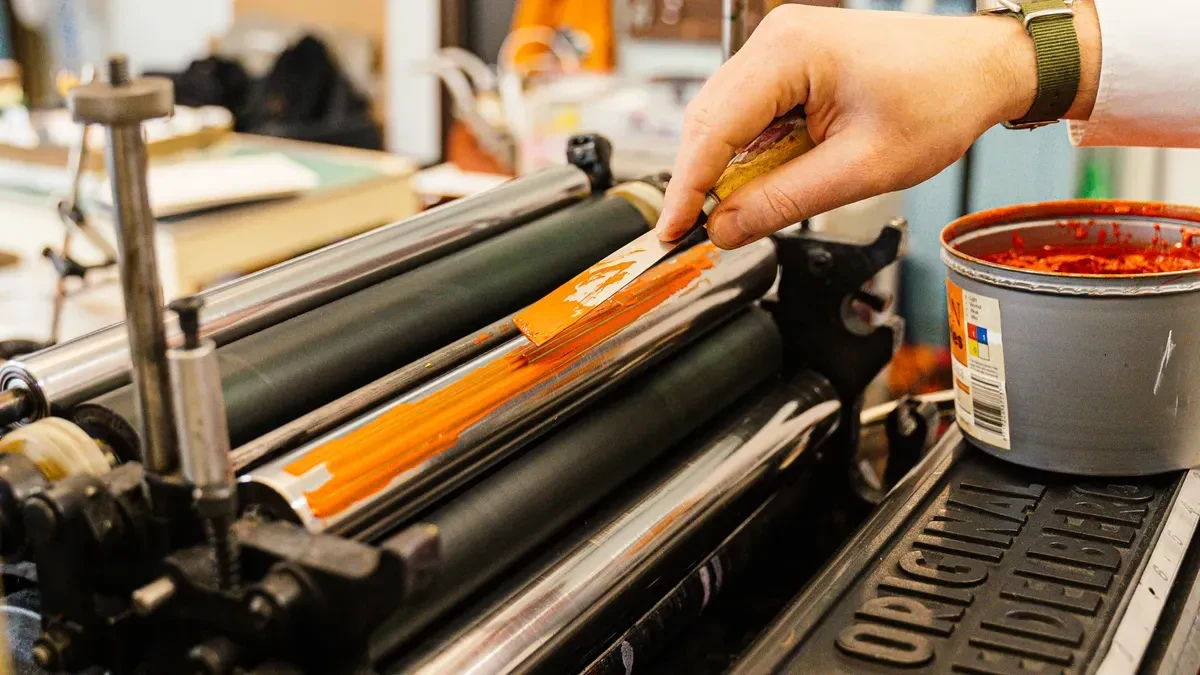
You use a label slitting machine to change big parent rolls into useful, thin reels. The main process uses three matched mechanical steps that work as a team. First, the unwind area feeds the wide master roll into the machine body. Next, the middle cutting unit slices the material into chosen lanes. Finally, the rewinding area collects these single strips onto different paper cores. Smooth web movement keeps the sheet flat through every station.
Steady continuous tension keeps the material from drifting while it is being cut. Regular factory runs usually keep a strict slit width tolerance of ±1/32" to protect later packaging lines. Special jobs require even greater mechanical accuracy.
For the most specialized applications, such as narrow width slitting, our capabilities extend to tolerances as low as ±0.004 inches, producing widths as narrow as 0.375 inches.
You watch the moving material through every machine area all the time. Steady web speed keeps the edges lined up correctly during fast converting runs. Correct blade positioning stops rough edges and keeps the material from getting damaged.
Main Components of the System
Every real part inside the machine has a clear job. Four main areas work together to keep full control over the moving material:
-
Unwinding Systems: Hold and feed the wide parent roll while controlling tight pull to keep the sheet steady and flat as it goes into the cutting area, which is key for steady quality.
-
Guiding Assemblies: Find edge points to keep the sheet straight through the cutting area, making sure you get matching slit width and straight edges.
-
Slitting Assembly: Holds the sharp tools (like rotary blades) set up across the material width, which physically cut the sheet into strips using set measurements. The accuracy of this setup matters a lot.
-
Rewinding Components: Gather the cut strips onto cores with exact pull and speed control to build neat rolls and stop problems like uneven sides or wrinkles, keeping the final product safe.
The tension control system manages sheet stability through every part of the job. It connects directly with the unwind stand and the rewind stand. Good pull management stops material from stretching and removes top wrinkles. You get smooth finished roll shapes by matching the drive speed with the sheet pull.
You trust the unwind stand to keep the starting material feeding smoothly. The rewind stand then makes sure the finished output rolls are rolled just right. These connected parts protect the physical material from start to finish.
Step 1: Web Unwinding and Tension Control
Master Roll Unwinding Setup
You put big master rolls on pneumatic or shaftless stands to begin slitting. Workers raise heavy rolls using air shafts or strong hydraulic chucks. These parts grab the center core tightly from both sides. Heavy raw sheets stay steady while spinning fast during the run.
Good loading stops material damage before any real cutting begins. Sanhui Machinery puts modern EPC edge sensors right on the unwind stand. These electronic devices watch the sheet edge all the time. The frame moves side to side fast to line things up, stopping wrinkles before cutting.
Closed-Loop Web Tension Control
Keeping steady pull stops thin label sheets from stretching or ripping apart. Pull strength changes during normal work for a few simple reasons:
-
Changes in the roll size as the material feeds inside
-
Speed changes during normal cutting work
-
Speeding up or slowing down when starting and stopping
-
Rubbing on rollers and guide parts
-
Natural sheet traits like thickness and stretchiness
Uneven braking power, crooked rolls, and machine shaking also make bad stress across the sheet. Sanhui Machinery uses a closed-loop tension system to fix these issues. The system changes pull force automatically to hold the sheet flat.
Pneumatic Brakes and Servo Motors
Air brakes put smooth drag on the spinning unwind shaft. As the big roll gets smaller, the machine lowers braking power at the same rate. Lowering turning force stops pull spikes that stretch sheets, cause wrinkles, or snap the material.
Servo motors work with air brakes to handle fast speed changes. These motors give exact turning power when speeding up or slowing down. The motor system keeps material moving smoothly, saving sticky layers from sliding or tearing.
Load Cells and Ultrasonic Sensors
Load cells sit under key rollers to check real-time sheet pull. These real sensors measure physical force continuously as material glides over the rollers. The main control box gets this force data right away.
Ultrasonic sensors check the shrinking size of the unrolling master roll. The system finds correct torque settings by mixing size data with live load cell feedback. This smart system lets a label slitting machine run smoothly without extra hand help.
Step 2: Precision Label Slitting Methods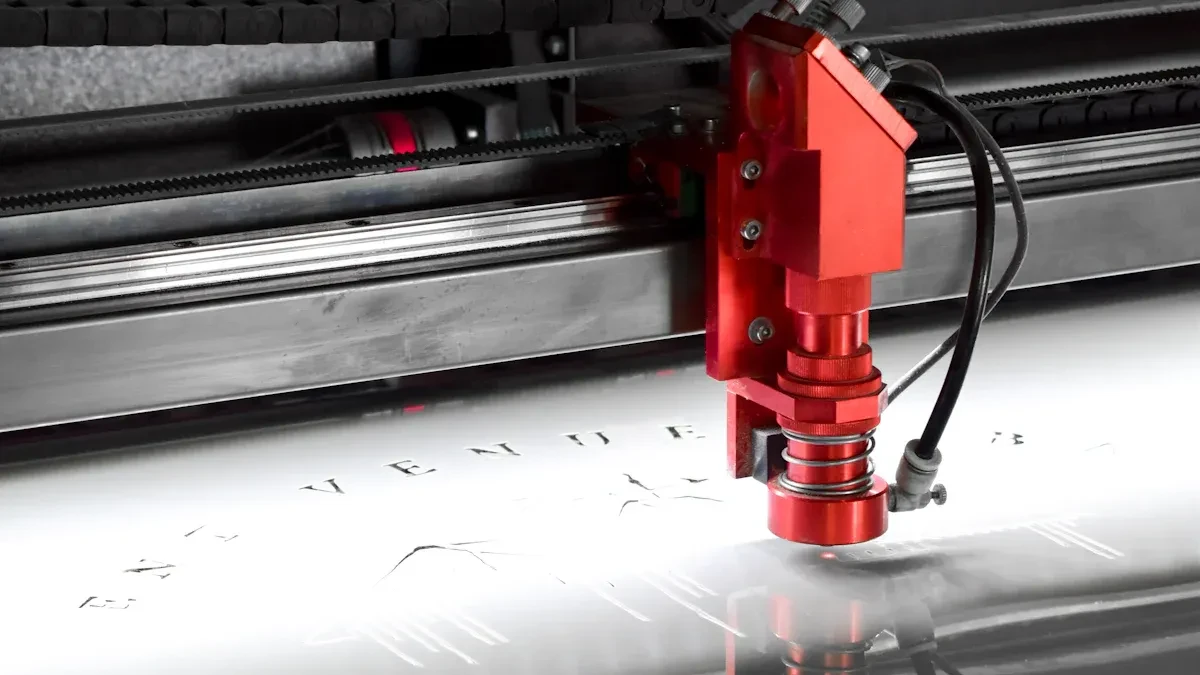
You pick different cutting styles in the tool based on your raw label needs. Matching the best cutting way to your exact sheet prevents torn borders and stops sticky glue leaks.
Flexible Slitting Methods: Razor slitting and shear slitting configurations can be selected according to material characteristics and production requirements.
Shear Slitting for Paper Labels
You use shear cutting mainly for heavy paper label types and thick layered sheets. Shear cutting works just like a set of powered scissors. The top blade crosses over a driven bottom knife ring to make a neat slice through the web.
|
Key Performance Indicator (KPI) |
Description & Purpose |
Quantitative Impact (if provided) |
|---|---|---|
|
Slitting Speed |
The number of labels processed in a given timeframe; directly impacts overall productivity. |
Can lead to a 20% increase in production speed. |
|
Precision / Accuracy |
The machine's ability to perform accurate slits, ensuring proper label fit and reducing waste/rework. |
N/A |
|
Downtime |
Time lost to scheduled maintenance and unexpected breakdowns; indicates reliability and operational efficiency. |
N/A |
|
Material Yield |
The effective use of input material, minimizing waste during the slitting process. |
Can be improved by up to 15%. |
|
Automation Benefits |
Improvements in speed and cost reduction enabled by automated features in slitting operations. |
Can improve production speeds by up to 30% while lowering operational costs. |
Male and Female Knife Angles
You line up upper round top blades with lower bottom rings to build tight slice spots. Correct tool angles create best touch spots between both metal edges. Wrong touch angles cause high rubbing heat and speed up blade wear. Proper overlap depth allows smooth sheet feeding while holding steady side force against paper fibers.
Dynamic Shear Over-Speed Ratios
You run the bottom knife ring a bit faster than the passing sheet. This active speed gap pulls paper labels cleanly through the slice point without catching. The sheet stays tight while cutting, stopping local paper folds and rough edge burrs.
Razor Slitting for Film Substrates
You pick razor cutting when working with thin film bases like PET, BOPP, and PE labels. A fixed blade pierces the fast-moving film sheet as it glides over grooved base rollers. This process cuts soft films neatly without making small edge dust.
To hold great film border traits, you must follow strict tool sharpness rules:
-
Blade Material: Use top-tier real tungsten carbide blades to keep sharp edges under continuous rubbing.
-
Material Hardness: Pick blades treated to HRA 90 strength levels to fight early edge wear.
-
Blade Geometry: Use a 2-facet or 3-facet grind to lower surface drag on thin films.
-
Blade Angle: Place cutting angles inside a 12° to 20° span based on sheet thickness.
-
Edge Type: Use fine-ground or hollow-ground edges to build clean, smooth film edges on label stock.
-
Maintenance Standard: Swap worn blades based on seen edge shape shifts instead of fixed job times.
Razor blades set inside special holder blocks keep strong firmness during fast runs. Grooved roller bases keep the film flat on both sides of the blade slot. This firm support removes sheet bends and gives accurate straight cuts.
Crush and Score Slitting
Crush and score cutting uses single dull-edge round blades pressing right against hard base rolls. The sharp edge squeezes through soft items against the hard roll face, parting the base without scissor moves or blade slots. You pick this style when running thick or stringy special items.
|
Slitting Method |
Ideal Materials for Label Production |
|---|---|
|
Crush Slitting |
Foam, rubber, non-wovens, fibrous materials, and certain types of soft, compressible tapes. |
|
Score Slitting |
Paperboard and cardboard where controlled folding or tearing is required. |
You tweak air cylinder force on each knife holder to keep correct cutting power. Too much force hurts the hard roll sleeve and creates crushed sheet borders. Correct force neatly splits non-woven and foam label layers without tearing main bases. You can shift single knife spots fast along the shaft to change slit widths for special short jobs on your label slitting machine.
Step 3: Guiding, Trim Extraction, and Rewinding
You move the slit material directly into the final phase of continuous converting processing. You must align moving material strips precisely. You need to remove waste trim instantly. You must rewind cut labels into stable, neat finished rolls.
Web Guiding and Trim Removal
Material movement requires active physical control before and after cutting. Uncontrolled material wander ruins exact slit widths.
Automatic Web Guide Sensors
You place specialized electronic sensors near the active cutting zone to track moving material edges accurately. Different label material types require specific sensor technologies. Line edge sensors provide real-time, non-contact alignment detection for converting machinery. Capacitive sensors align non-conductive label stock during packaging operations. Laser sensors deliver high measurement precision. Tension sensors track continuous web pull using dynamic load cells.
Precise guiding in tight spaces — works on clear film and bare liner.
Web guiding errors disrupt continuous converting processing. The following list details direct causes of material deviation during slitting operations:
-
Malfunctioning Web Guide: The main tracking unit stops making real side-to-side fixes on the sheet.
-
Incorrect Sensor Position: Workers set the eye tool way too far from the blade zone.
-
Unstable Material Edge: The physical borders along the moving sheet stay rough or ripped.
-
Unbalanced Tension: Uneven pull force pulls the moving sheet sideways over the turning guide rollers.
-
Misaligned Unwinding Roll: The unwind shaft sits crooked inside the main metal machine frame.
In addition, specific engineering errors create web guiding failure:
|
Cause of Web Guiding Error |
Description |
|---|---|
|
Incorrect Sensor Selection |
Optical edge sensors fail on transparent film when material contrast changes. |
|
Poor Guide Placement |
Installing the guide assembly far from the slitting point lets the web wander. |
|
Inadequate Actuator Specifications |
Insufficient stroke limits movement, while low thrust fails to shift heavy roll structures. |
|
Ignoring Mechanical Constraints |
Operators neglect mounting clearance, sensor access, and actuator stroke limits. |
|
Oversimplified Specifications |
Matching specs across narrow and wide machines ignores frame loads and web paths. |
Venturi Vacuum Trim Ejectors
Edge trimming produces continuous narrow waste strips along outer web borders. You must extract these trims immediately to maintain continuous machine running speeds. Precision CNC-controlled knife positioning with ±0.1mm repeatability sets minimal trim widths between 3-8mm. Small trim widths reduce overall material waste and maximize saleable product width.
Venturi vacuum ejectors create high-velocity suction air streams inside disposal tubes. The air current suction pulls continuous edge trims away from moving blades without tangling. Direct pneumatic trim conveyance systems send web waste straight to repulper equipment. Integrated waste handling achieves fiber recovery rates above 99%. Efficient trim management keeps your workspace clean, eliminates handling downtime, and protects total machine uptime.
Center vs Surface Rewinding
You select the proper rewinding method to build safe, high-quality label rolls. Center rewinding drives the winding shaft directly using core-mounted mandrels. This technique provides distinct mechanical advantages for processing delicate label products:
-
Gentle Handling: Core-driven torque delivers even tension distribution across layers with minimal pressure between layers.
-
Protection for Pressure-Sensitive Materials: Soft plastic film layers resist crushing or permanent layer deformation.
-
Prevention of Tightness Defects: Elastic material rolls avoid tight winding, which prevents adhesive ooze.
Surface rewinding relies on heavy powered drive rollers pressing directly against the outer roll face. Surface winding works well for tough paper rolls, but surface contact crushes delicate pressure-sensitive labels. Center winding preserves soft sticky coatings on your label rolls.
Taper Tension Control for Finished Rolls
Finished roll quality depends entirely on progressive tension management during winding. As core diameters grow larger, you must reduce winding torque systematically. Automatic taper tension control systems lower motor pull force continuously as the rewinding roll radius increases.
Improper taper tension settings generate severe structural defects in finished rolls. The precise mechanical sequence creating roll telescoping involves four clear steps:
-
Tension Imbalance: Bad math setups build uneven pushing forces inside the turning roll body.
-
Interlayer Slippage: Weak pressure lets touching sheets slide around on top of each other.
-
Lateral Movement: Trapped push forces slide the loose moving layers out to the sides.
-
Defect Manifestation: Sideways sliding builds ugly cone shapes on the finished roll ends.
Proper taper tension control holds tight inner cores while relaxing outer layers. This balanced pressure profile produces firm, flat finished rolls every time.
Key Parameters for High Slitting Accuracy
Operating a Sanhui Machinery Label Slitting Machine
You manage main machine settings on your label slitting machine to get smooth work runs. The heavy steel frame gives strong support during non-stop work. You set basic job choices using the connected touch screen display. The main control box guides the drive motors and reads live updates from equipment sensors.
Sanhui Machinery builds equipment with smart automation to keep steady product quality over long work shifts. Your team saves specific job setups right inside the control box. The system sets right pull forces automatically, which lowers human setup mistakes. This steady base helps you process delicate labels and paper stock with solid, dependable results.
Blade Alignment and Depth Calibration
You need to adjust blade depth and touch force carefully before turning on the machine. Deep tool overlap boosts rubbing heat and wears out sharp cutting edges quickly. Shallow setups let the sheet slip, creating rough edge burrs. You adjust lower blade shaft spots to keep steady physical touch across all active lanes.
|
Parameter |
Role in Achieving ±0.1mm Accuracy |
Key Technical Details from Source |
|---|---|---|
|
Slitting Precision |
Sets the goal accuracy for top label output. |
Affected by machine stiffness, blade shaft wobble, and system speed. |
|
Tension Control System |
Stops sheet stretching, side curling, and layer damage. |
Uses full motor controls to hold pull shifts within ±3% of set goals. |
|
Slitting Speed |
Keeps sheet stability during fast, non-stop cutting runs. |
Needs strong shake reduction when moving faster than 200m/min. |
|
Scope of Applicable Materials |
Gives clean cuts without ripping thin metal foil or film sheets. |
Fits exact material thickness limits and tiny cutting width limits. |
|
Degree of Automation |
Gives repeatable output quality over many shift tasks. |
Uses auto pull presets and exact cutter placement parts. |
High accuracy depends on tight blade alignment. A Sanhui Machinery label slitting machine gives slitting accuracy up to ±0.1mm. Exact blade setups stop side shaft shaking during long runs. Clean blade edges protect sensitive top layers on self-adhesive label stock.
Line Speed and Acceleration Curves
You control sheet movement by picking smooth speed lines on the main control board. Sudden speed changes make harsh pull spikes along moving sheets. The automated motor drive smoothly speeds up the web from a full stop to full work speed.
Fast machine types reach top running speeds up to 800m/min while holding tight tool control. Smooth speed increases stop sheet stretching and keep web alignment straight. Active roller pressure holds the moving sheet flat against guide rollers. Good speed handling gives a finished roll rewinding end-face flatness ≤0.5mm. You make neat, smooth output rolls while cutting waste material during starting changes.
Fixing Common Slitting Issues
Stopping Cone Shapes and Curved Rolls
You often see rolls slip into cone shapes when inner layers slide sideways. This issue turns a flat roll side into a pointed cone. You cause this trouble by using uneven wrap pull across the roll size. High starting pull traps air inside the roll, while loose outer wraps let middle layers slide out.
You fix curved roll ends by tweaking your auto pull settings on the main screen. You must lower the turning power slowly as the roll size grows bigger. You also need to check your air shafts for uneven grip. Balanced hold across all core points stops the moving sheet from sliding sideways during long runs.
Getting Rid of Edge Dust and Rough Edges
Slitting paper and film can make fine dust bits and rough edges. You fix these quality problems by following clear blade care rules:
-
Regular Cleaning: Wipe blades at the end of every work shift with safe cleaners and a soft cloth to strip off glue build-up. Clean mid-shift when cutting extra sticky sheets.
-
Good Sharpening: Remove the tiny metal bump left on the secondary edge after grinding by using a smooth stone. Unremoved bumps snap off during early cuts and ruin cut quality right away.
-
Exact Blade Setup: Check and reset knife spots at every job change and during normal checks. Bad alignment stacks cut forces in one spot and makes rough bumps on sheet edges.
-
Focused Dust Removal: Place vacuum tubes right at the cut points to catch and remove dust bits before they land on the sheet or knives.
-
Static Charge Control: Use static bars, proper ground wires, and anti-static coatings to fight static power, which pulls and holds dust bits against sheet edges.
Dull blades crush paper fibers instead of slicing them smoothly. You must swap worn knives fast to keep neat roll sides. Correct knife overlap and sharp cutting edges give clean cut lines across every lane.
Fixing Overlapping Strips and Core Slipping
You run into overlapping strips when side-by-side cut lanes slide together during winding. Crooked cutter sets cause single lanes to drift off line. You stop overlapping strips by checking your edge sensors and shifting side alignment rolls. Good sheet pull keeps cut lanes moving on straight paths without crossing over.
Core slipping happens when shaft rings lose their grip inside paper cores. Loose cores spin slower than the powered shaft, making soft and uneven rolls. You fix core slipping by checking your air pressure supply and swapping worn friction rings. Using an accurate label slitting machine gives steady air power to every rewind core, keeping your final roll quality safe.
Getting good at converting work means taking total control of your whole factory line. You must use lined-up unwinding stands to feed big master rolls without bumps. You count on sharp cutting knives to slice smooth edges without making extra dust. Accurate rewind pull control keeps finished rolls firm while stopping bad cone shapes.
Bringing these steps together protects your costly stock and boosts your daily output. Teaming up with Sanhui Machinery gives you tough machines built for non-stop work. Their smart tools run at fast speeds up to 800m/min and cut material waste by up to 25%. Buying a new label slitting machine upgrades your whole shop and guarantees steady quality on every single run.
FAQ
What is the maximum speed of a Sanhui Machinery slitting machine?
Fast models reach a top speed of 800m/min. Basic machines run at speeds of 200m/min or 400m/min. You often run the machine at 70% to 80% of its top speed for regular daily tasks.
What slitting accuracy can you achieve with these machines?
You get precise cutting accuracy down to ±0.1mm. The gear keeps finished roll end flat levels within ≤0.5mm. These tight limits shield your label quality throughout fast work runs.
What is the minimum slitting width you can cut?
You slice rolls down to a tiny width of 10mm. Your starting sheet size and chosen strip width decide how many small reels you make at once.
What label materials can you process on these slitter rewinders?
You easily cut sticky labels, shiny paper, coated sheets, and brown paper. The setup also cuts plastic sheets like PET, BOPP, PE, PVC, layers, and metal foils cleanly.
Why should you use an automatic tension control system?
Auto pull control keeps steady pull while rolling and unrolling sheets. You stop page folds, material stretch, and glue spills across all paths. This smart tool saves roll shapes and lifts overall output.
How long do machine installation and training take?
Normal models take 3 to 5 days to set up and test fully. You get direct on-site practice during this time to master main software, blade steps, and daily work tasks.
What warranty coverage protects your equipment investment?
You get a 1-year safety plan for the main frame and setup. Key device parts carry a 2-year safety plan. You access online tech support anytime for quick help with parts.