What Is a Lithium Battery Separator Slitting Machine and How It Works
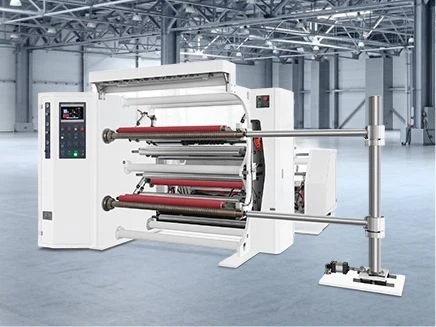
A lithium battery separator Slitting Machine is a precise industrial tool. It cuts large rolls of separator film—usually polyethylene or polypropylene—into narrower strips. These strips match the exact widths needed for individual battery cells. This machine is very important in manufacturing. It makes sure the separator fits perfectly inside each battery, preventing short circuits and keeping performance high. High-precision cutting ensures steady cell performance, since the electrode slitting principle applies directly to separator processing. You need this equipment to make reliable, safe lithium batteries. The next sections explain the separator's role, the machine's main parts, the step-by-step slitting process, available machine types, and key benefits.
Key Takeaways
-
A lithium battery separator slitting machine cuts big rolls of separator film into exact strips for battery cells.
-
The separator stops short circuits and lets ions move; its quality is very important for battery safety and performance.
-
The main parts of the machine are the unwinding, cutting, tension control, and winding systems, and each one ensures precision.
-
The slitting process includes loading, precise cutting, and rewinding, with careful quality checks at every stage.
-
Pick a manual, semi-automatic, or automatic machine based on what you need to produce and how much you can spend.
-
Good-quality slitting cuts waste, reduces costs, and improves efficiency by up to 30%.
-
Future technology combines AI, IoT, and Industry 4.0 to make production smarter and more efficient.
Why the Lithium Battery Separator Matters
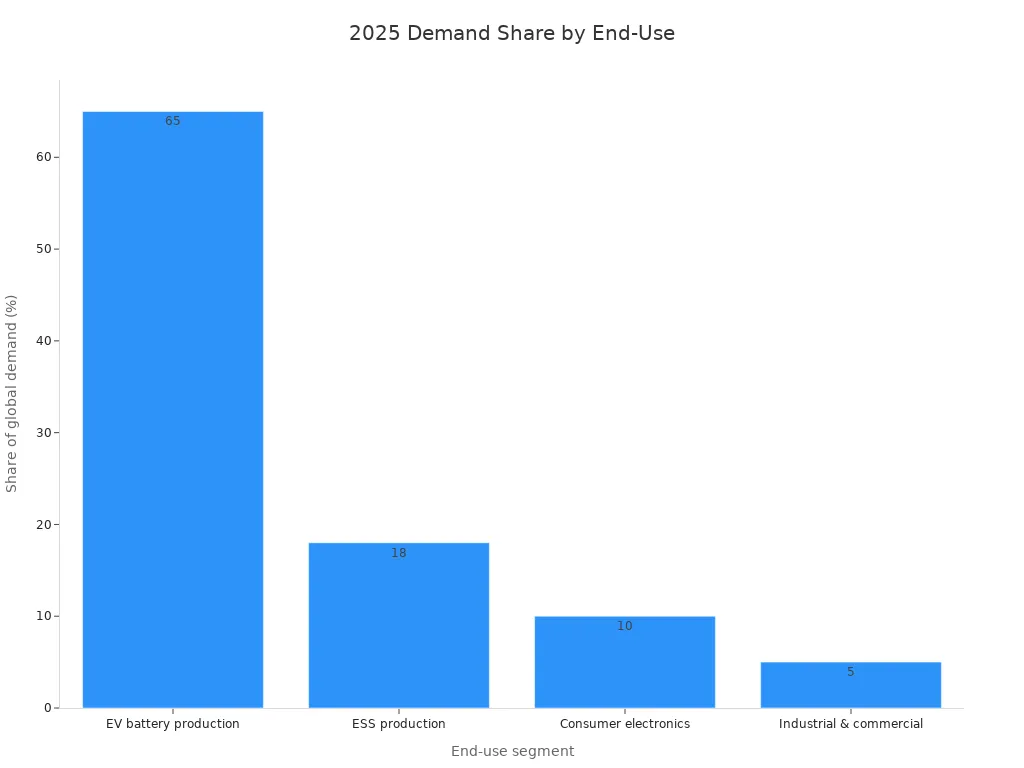
The separator is a thin, porous membrane inside every lithium battery. It sits between the anode and cathode. This physical barrier prevents direct contact between the two electrodes. Without it, a short circuit would occur immediately. The membrane also allows lithium ions to pass through during charging and discharging. Any defect—such as a tear, pinhole, or uneven thickness—can compromise safety and performance. That is why precision slitting is essential. The demand for high-quality slitting equipment is growing rapidly. The global market for lithium battery separator slitting machines is valued at USD 1.2 billion in 2025. It is projected to grow at a compound annual growth rate (CAGR) of 9.4% from 2026 to 2033. This growth is driven by the expansion of gigafactories worldwide. By 2035, the world will add over 3,000 GWh of annual battery production capacity. Each gigawatt-hour of EV capacity requires 2 to 4 slitting lines.
The fastest-growing application segment in terms of revenue is lithium-ion batteries, driven by their widespread use in consumer electronics and electric vehicles.
The Role of the Separator in Battery Safety
Preventing Internal Short Circuits
The membrane's primary job is to keep the anode and cathode apart. If it fails, the electrodes can touch, causing a short circuit. This can lead to overheating, fire, or explosion. The membrane must also maintain its mechanical integrity under stress. During assembly and use, it experiences pressure and movement. If it tears or deforms, it can create a "soft short circuit" that is hard to detect. The microporous structure helps suppress dendrite growth. Dendrites are tiny metal fibers that can form on the anode and pierce the membrane. With a median pore size of 0.132 µm and porosity of 40–60%, the membrane blocks dendrites and ensures uniform current distribution. Key documented functions include:
-
Physical barrier: Keeps electrodes apart, preventing direct contact and short circuits.
-
Mechanical integrity: Maintains structural stability under stress to avoid failure and local 'soft short circuits'.
-
Thermal stability & shutdown: Provides thermal shutdown mechanisms to prevent overheating and thermal runaway.
-
Pore size & structure: Microporous structure suppresses dendrite growth and ensures uniform current distribution.
The separator's integrity is vital for preventing internal short circuits in lithium-ion batteries. Its chemical and thermal stability ensures safe operation under stress.
Enabling Efficient Ion Flow
While the membrane blocks electrons, it must allow lithium ions to pass freely. The microporous structure is key. The pores are large enough for ions to travel through but small enough to block electrode particles and dendrites. Porosity between 40% and 60% provides a good balance. Higher porosity improves ion conductivity but can weaken the material. The membrane must also be thin—typically 10 to 25 micrometers—to minimize resistance. Thinner films allow faster ion flow and higher energy density. However, they are more prone to defects. Precision slitting preserves the pore structure and ion transport capability.
Impact of Separator Quality on Battery Performance
Thinness and Porosity Considerations
The film's thickness and porosity directly affect performance. A thinner film means more space for active materials, increasing energy density. But it requires higher precision in manufacturing. Any variation in thickness creates weak spots. During slitting, the machine must maintain consistent tension and cutting force. If the material stretches or wrinkles, the pores deform. This reduces ion flow and creates hotspots. Porosity must be uniform across the entire roll. The slitting machine's tension control system prevents deformation, keeping the material flat and stable.
Thermal Stability and Durability
The membrane must withstand high temperatures during operation. If the cell overheats, the film can melt and shut down ion flow. This is a safety feature known as thermal shutdown. The membrane must also be durable during assembly. It is handled by machines and must not tear. Thermal stability depends on the material and its processing. Polyethylene and polypropylene films have different melting points. The slitting machine must not generate excessive heat or friction that could damage the material. Precision blades and controlled tension preserve the film's thermal properties. A high-quality slitting machine ensures that the membrane retains its integrity from the master roll to the finished cell.
Core Components of a Slitting Machine
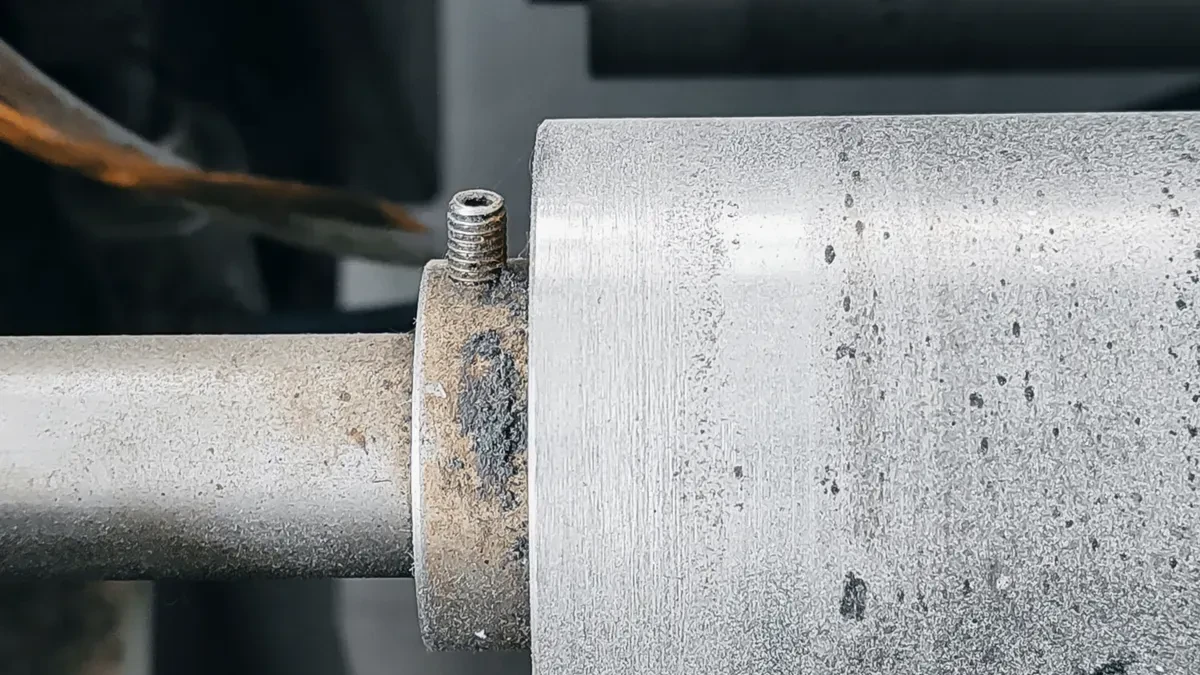
A lithium battery separator slitting machine uses several precision parts that work together. Each part has a specific job in turning a wide master roll into narrow, clean strips. Knowing these parts helps you see how the machine gets its amazing accuracy.
Unwinding and Feeding System
Managing the Master Roll
The unwinding system holds the big master roll of separator film. You place this roll onto a strong shaft that supports its weight—up to 1,500 kg or more, depending on your model. The shaft spins smoothly, feeding the film into the machine at a set speed. A brake system adds resistance to stop the roll from spinning too freely. This resistance creates the starting tension that keeps the film tight as it enters the processing line. Without good unwinding control, the film would sag, wrinkle, or stretch unevenly.
Web Guiding and Alignment
As the film unwinds, it must stay perfectly centered. The edge position control (EPC) system uses sensors to watch the film's side-to-side position. When the film moves off track, the EPC system automatically adjusts the guiding rollers to fix its path. This alignment matters because even a millimeter of drift can cause the finished strips to have uneven widths. The EPC system works nonstop, making tiny adjustments hundreds of times per minute. You can see the results in the clean, straight edges of the final product.
Cutting Station and Blade Types
The cutting station is the core of the slitting machine. Here, the wide film turns into many narrow strips. You have two main blade choices, each suited for different materials and production needs.
Razor Blade Cutting
Razor blade cutting uses a single-edged blade that presses the film against a hard bottom roller. This method offers quick setup and low running costs. You can adjust the blade angle and cutting depth to match your material. However, razor blades have speed limits—they work best below about 300 m/min. At faster speeds, friction creates heat that can melt thin separator films, forming beads or burrs along the cut edge. For delicate battery separators, you must use the "minimum effective cutting depth" to avoid blade-roller contact that speeds up wear and creates dust.
Rotary Shear Cutting
Rotary shear cutting uses upper and lower circular knives that mesh together like scissors. This method gives the best cut quality, especially for thicker or harder separator materials. You can adjust the depth of engagement and the amount of overlap between the knives. Rotary shear handles higher speeds well because the knife speed can match, exceed, or lag the web speed. This flexibility lowers shearing forces and produces cleaner edges. The downside is longer setup time and higher knife maintenance costs, since you must regrind or replace the circular blades regularly.
|
Criterion |
Razor Blade Cutting |
Rotary Shear Cutting |
|---|---|---|
|
Setup & Cost |
Fast setup, low equipment cost |
Longer setup, higher knife maintenance |
|
Cut Quality |
Clean cuts with grooved back-up roll |
Precise scissor-like cuts, accurate width |
|
Speed & Heat |
Limited to ~300 m/min; heat risk |
Flexible knife speeds; higher speeds OK |
|
Material Suitability |
Not for heavy or abrasive materials |
Handles PET, coated films, foil, nonwovens |
|
Operational Risks |
Blade wear, compromised edge in air |
Tearing risk with misalignment |
For battery separator films, many manufacturers prefer diamond-coated or ceramic-coated blades. These materials resist wear and stay sharp longer than regular metal blades. They also reduce dust and burr formation, which is key for keeping the separator's integrity.
Tension Control and Winding System
Maintaining Consistent Tension
Tension control keeps the film stable throughout the slitting process. The system uses closed-loop feedback with magnetic particle brakes or servo motors. Sensors measure the actual tension continuously and send signals to the controller. The controller adjusts the braking force or motor speed to keep the target tension. This system keeps tension changes within ±0.5N, which prevents wrinkles, stretching, or deformation. Anti-wrinkle guide rollers with arc flattening or vacuum adsorption further reduce material stress. You can set and monitor all parameters through the PLC touch screen interface, making operation simple even for complex jobs.
Winding for the Next Stage
After slitting, the narrow strips wind onto individual cores. The winding system must keep the same precise tension as the cutting station. If tension changes during winding, the rolls can telescope or develop uneven edges. The rewinding end face flatness stays within 0.5mm, ensuring the rolls stack neatly for the next production stage. Some advanced models feature automatic roll change, which swaps full cores for empty ones without stopping the machine. This feature greatly reduces downtime and increases output. The finished rolls are now ready for inspection and eventual assembly into battery cells.
Every part of the slitting machine works together to deliver high precision output. From the unwinding shaft to the final winding core, each subsystem adds to the overall accuracy and reliability. When you invest in a quality slitting machine, you gain a production asset that consistently produces defect-free separator strips.
The Slitting Process Step-by-Step
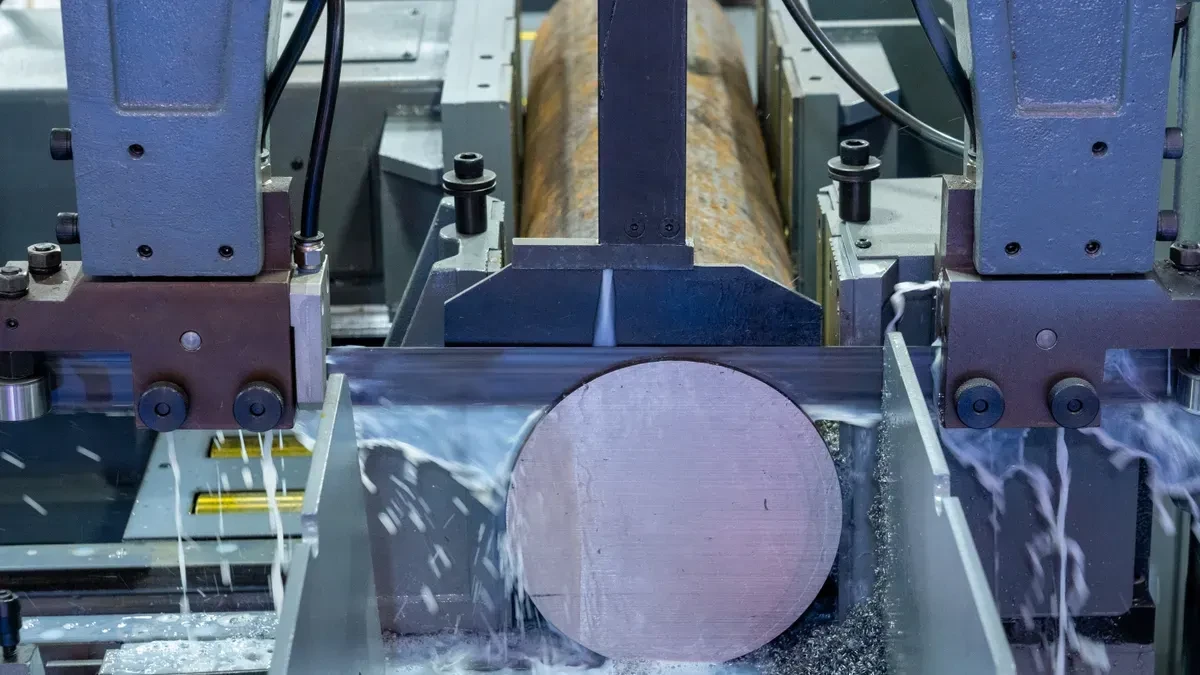
The slitting process changes a big master roll into many exact strips for battery assembly. Each step depends on the one before it. You must do every stage right to get the final quality your customers want. Knowing this process helps you see why each part of the slitting machine is important.
Step 1: Loading and Setup
Your first job is to get the machine and material ready. This stage builds the base for all later steps. A rushed setup causes problems that no later fix can solve.
Follow these standard procedures to load and configure your machine properly:
-
Prepare the site: Make sure your cleanroom meets Class 1000 standards or better. Check that HVAC, dust control, dehumidification, power, compressed air, and chilled water systems all work well. The separator film is easily contaminated, so controlling the environment is key from the start.
-
Position the equipment: Unload the slitting machine and put it where your facility plan says. Do important alignment and leveling now. Even a small tilt can cause problems that affect cut quality.
-
Connect mechanical systems: Attach rollers, frames, and tensioners. Add drives, motors, and pneumatic systems. Connect power, air, and vacuum lines to the machine.
-
Configure the control system: Wire sensors, encoders, motors, and safety switches. Program the PLC and SCADA control systems. Set temperature, speed, and tension controls through the HMI touch screen.
-
Run trial operations: Feed base film through the slitter and adjust settings like tension, speed, and temperature. Check separator properties like thickness uniformity and tensile strength. Make improvements before you start full production.
After you finish these steps, load the master roll onto the unwinding shaft. Set your wanted slitting width and speed on the PLC touch screen. Thread the material through the rollers carefully. Make sure it follows the right path without twists or folds. The EPC system turns on by itself. It is ready to fix any sideways movement during operation.
Step 2: Precision Cutting and Slitting
With the machine loaded and set, the cutting starts. The material moves from the unwinding shaft through the cutting station at your set speed. The blades touch the film and cut it into many strips at the same time.
The EPC system watches the film's side-to-side position all the time. It makes tiny adjustments to the guiding rollers. This keeps the material perfectly centered. At the same time, the closed-loop tension control keeps steady force throughout the process. These two systems work together to stop wrinkles, stretching, or deformation.
The quality of your cuts depends a lot on your blade condition. Precision grinding of slitting knives makes sure they are round, flat, and have good edges. These factors help you get consistent cutting quality and fewer edge burrs. Separator films are 5 to 25 micrometers thick. Ceramic-coated types make blades wear faster. You must check blade condition often to avoid edge defects.
Several factors affect edge quality during the slitting process:
-
Blade geometry: The right angle and shape for your material stops tearing and gives clean cuts.
-
Carbide grade: Better materials last longer and stay sharp for longer runs.
-
Coating selection: PVD coatings cut down friction and make blades last much longer.
-
Grinding precision: Round blades spin smoothly without shaking, giving you consistent edges.
-
Wear monitoring: Edge burrs, poor cut quality, and dust mean blades need to be replaced.
The slitting machine stays very precise during this process. Your slitting accuracy is ±0.1mm. This makes sure every strip matches the exact width. The rewinding end face flatness stays within 0.5mm. So the finished rolls stack neatly.
Step 3: Rewinding and Final Inspection
After the cutting station cuts the film, each narrow strip winds onto its own core. The winding system keeps the same exact tension as the cutting station. This consistency stops telescoping and uneven edges on the finished rolls.
The rewinding process needs careful attention. If tension changes during winding, the rolls get defects that make them useless. The closed-loop feedback system keeps adjusting braking force and motor speed to keep your target tension. Anti-wrinkle guide rollers with arc flattening or vacuum adsorption reduce material stress even more.
Once the rolls reach their set diameter, the machine stops. You take off the finished rolls and get them ready for inspection. This final quality check makes sure every roll meets your specs.
You check each roll for edge quality. Look for burrs, tears, or rough edges. You measure the width at several points to check accuracy. You also look at the roll faces for flatness and uniformity. Any roll that fails inspection is rejected or sent for rework.
The finished rolls are now ready for battery assembly. They go to the next production stage. Workers put them into individual cells. The whole process, from loading to final inspection, takes minutes per roll. But the precision during those minutes affects the safety and performance of every battery that uses these separators.
A lithium battery separator slitting machine gives this level of precision every time. When you invest in good equipment and follow correct steps, you make separator strips that meet the tough needs of modern battery making. The slitting process is a key quality control point. Mastering it makes sure your production line runs well and safely.
Types of Slitting Machines and Their Applications
When you look for a lithium battery separator slitting machine, you will see two main types: wide and narrow models. Wide machines handle large production runs, driven by electric vehicle demand. Narrow machines focus on exact cuts for special, niche uses. Your choice depends on how much you produce and who your customers are.
Manual vs. Automatic Slitting Machines
The biggest choice you face is picking between manual and automatic operation. This choice affects your product quality, labor costs, and how fast you can produce.
|
Machine Type |
Operational Control |
Key Features |
Typical Application |
|---|---|---|---|
|
Manual |
Fully manual |
Poor dimensional repeatability; uncontrollable burr size |
University labs, small R&D |
|
Semi-automatic |
Semi-manual feeding/rewinding |
Low investment; manual tension control; prone to electrode deviation |
Small-batch trial production |
|
Automatic |
Fully automated |
Real-time CCD inspection; stable burr and width control; no manual piece-cutting |
Mass-production battery factories |
Manual machines often make an "S" shape along the cutting length. This crooked edge leads to uneven winding and possible electrode damage. You must press the electrode during feeding to control tension by hand. Semi-automatic machines cut down some labor but still face electrode deviation because manual piece-feeding can misalign with the baffle.
Automatic slitting machines fix these problems. The whole process runs through a transmission device. You only load the roll and adjust the knife settings. No pre-cutting of pieces is needed. Burr control also gets much better. In manual and semi-automatic cases, burrs happen more often and need CCD detection. Burr length must stay below half of the separator thickness to prevent internal short circuits. Automatic systems keep stable burr and width control during the whole run.
Sanhui Machinery's Slitting Machine Solutions
Sanhui Machinery offers a full range of slitting machines, from Model 320 to 3500. These machines handle plastic films, paper, aluminum foil, and non-woven fabrics. For lithium battery separator production, Sanhui clearly lists this application under its supported fields.
High-Speed Models for Large-Scale Production
High-speed slitting models reach a top running speed of 800 m/min. This speed suits large battery factories that need huge output. The slitting accuracy stays at ±0.1 mm, with rewinding end face flatness at ≤0.5 mm. A 1600 mm machine can produce 32 strips of 50 mm width at once. The unwinding load capacity reaches up to 1500 kg standard, with custom options over 3000 kg.
Customizable Options for Diverse Materials
You can customize your slitting machine to fit your exact needs. Optional features include a 6-inch rewinding shaft, automatic paper feeding tube, automatic blade leveling and milling, and automated packaging. Waste edge winding keeps your workspace clean. The minimum slitting width is 10 mm, giving you flexibility for various battery cell sizes. Sanhui backs these machines with a 1-year whole machine warranty and 2 years for core parts like servo motors and PLC systems.
Choosing the Right Machine for Your Production Line
Your choice depends on three things: material type, production volume, and budget. For university labs or small R&D projects, a manual machine may be enough. For small-batch trial production, think about a semi-automatic model. For mass-production battery factories, invest in an automatic machine with high-speed slitting ability.
Think about your material's traits. Thinner separator films need exact tension control. Heavier materials need stronger unwinding systems. Your budget decides if you can afford automatic roll change and advanced tension control features. These features cut downtime and labor costs a lot.
Sanhui provides installation and training within 3–5 days on-site, plus 1–2 days of operator training. After-sales support includes 7×24 technical help, remote guidance, and home visits within 48 hours. This support keeps your lithium battery separator slitting machine running at top performance. The right machine becomes a long-term asset that boosts your production efficiency and product quality.
Key Benefits of Using a High-Quality Slitting Machine
Putting money into a precision slitting machine changes your production line. The good results go far beyond just cutting. You get better product quality, lower costs, and faster output. Each advantage helps the others, making your bottom line even stronger.
Enhancing Battery Performance and Reliability
Precision slitting directly affects how well your battery works. When the separator fits perfectly, you lower the chance of internal short circuits. Clean edges mean no burrs that could poke the membrane during assembly or use. This protection makes every cell you produce last longer.
The cutting quality matters at the microscopic level. A high-quality slitting machine gives micron-level accuracy. It ensures smooth edges and even widths. This precision lowers short-circuit risks and cuts down material waste at the same time. You also avoid electrode coating smearing, which keeps the active material safe. The table below shows the operational benefits you can expect:
|
Operational Benefit |
Documented Detail |
|---|---|
|
Increased Throughput |
Processing speeds go over 2 meters per second, boosting production efficiency. |
|
Adjustable Coil Widths |
Changes on the fly let you meet design specs without mechanical retooling. |
|
Superior Edge Quality |
Clean, burr-free cuts remove defects that affect battery performance. |
|
No Electrode Coating Smearing |
Stops contamination and material distortion, keeping active material safe. |
|
Eliminates Post-Processing |
No extra finishing steps, lowering operational costs. |
|
Optimized for Battery Materials |
Uses nanosecond pulsed IR lasers for precise, controlled removal. |
Laser slitting machines use non-contact processing. They offer high automation and great flexibility for high-precision cutting. Drag-knife slitting machines work well for thin-film materials like separators. They give high efficiency and handle large volumes well.
Your choice of cutting method depends on your material and volume. Both ways give the clean edges your battery cells need.
Reducing Material Waste and Production Costs
Waste reduction starts with tension control. Advanced systems keep constant force during the slitting process. This stability stops wrinkles, stretching, and deformation. You lose fewer meters of expensive separator film to defects.
Automation cuts labor costs a lot. You need less manual work, which lowers human errors and ensures steady output. Automated tension control and automatic core positioning cut down material waste, even during high-speed runs. The financial impact adds up quickly over thousands of production hours.
-
Waste reduction: Consistent accuracy in slitting helps reduce waste and improve productivity.
-
Automation advantage: Companies using automation often do better than competitors by meeting faster production demands.
-
Investment trend: 70% of manufacturers are putting money into technologies that reduce waste, showing a focus on cost savings.
-
Efficiency improvement: Investing in advanced machinery is key for better efficiency and market adaptability.
Investing in advanced slitting technology can boost efficiency by up to 30%. This gain comes from fewer rejected rolls, less downtime, and lower labor needs. The savings build up over time, making the machine a smart financial choice.
Improving Manufacturing Efficiency and Throughput
High-speed operation changes your production capacity. A quality slitting machine processes material at fast speeds while keeping accuracy. You make more finished rolls in less time, meeting customer demand faster.
The efficiency gains from modern equipment are measurable. Look at the improvement in cutting speed alone:
|
Metric |
Traditional |
Optimized |
Improvement |
|---|---|---|---|
|
Cutting Speed |
50 m/min |
80 m/min |
60% efficiency |
Top companies have achieved a single-machine efficiency increase of more than 40%. They did this by digitizing process parameters, using AI defect detection, and predicting maintenance.
Your slitting machine becomes a key asset. It handles larger volumes at lower cost per unit. The steady quality cuts down rework and customer complaints. This production efficiency gives you an edge in the growing lithium battery market. Every minute saved and every roll without defects helps your position.
The Future of Separator Slitting Technology
Advancements in Precision and Automation
The slitting industry is changing fast. New tools are improving how you check and control quality during slitting. One big new idea is AI-driven quality inspection. A self-learning system uses deep learning to sort defects on separator film. It can tell apart pinholes, thin spots, black spots, and metal pieces.
Multiple lighting channels plus HDR technology help the system spot tiny defects that older methods miss. The inspection happens inline across the whole web. High-speed cameras at 400 KHz or contact image sensors at 600 or 1200 dpi scan the material as it moves. Optimized LED lighting makes every defect visible. The system checks separator film at line speeds up to 400 m/min with resolutions down to 20 μm. This level of detail was not possible a few years ago.
The method goes beyond finding defects. The system turns defect data into decision data. You get live dashboards and analytical reports that show where problems occur. Track and trace strategies let you follow each roll through production. This data helps you improve your process continuously. The result is higher efficiency and fewer rejected rolls. You save material and reduce costs while keeping high precision in every cut.
Predictive maintenance is another key advancement. Machine learning algorithms analyze production data from your slitting machine. They predict when parts will fail before failure happens. You can schedule maintenance during planned downtime instead of stopping production unexpectedly. This keeps your line running longer and reduces costly interruptions.
Integration with Industry 4.0 and Smart Factories
The future of slitting technology lies in full integration with smart factory systems. Your equipment no longer works alone. It connects with other production equipment through a network of sensors and controllers. This creates a smooth, automated workflow from the master roll to the finished battery cell.
Several core technologies make this integration possible. The table below shows how each technology contributes to a smarter production line.
|
Technology |
Application in Slitting Machine Integration |
|---|---|
|
Artificial Intelligence (AI) |
Predictive maintenance, quality control, and process optimization to reduce downtime |
|
Machine Learning (ML) |
Analyzes production data to predict equipment failures and optimize operational parameters |
|
Internet of Things (IoT) |
Real-time monitoring and remote diagnostics for proactive maintenance and operational transparency |
|
Cloud Computing |
Centralized data integration across sites for analytics and collaborative control |
|
Robotics |
Precision and safety in electrode handling and slitting processes for high-volume production |
These technologies work together to create a connected factory. Your equipment shares data with upstream and downstream systems. The system adjusts speeds and settings automatically based on real-time conditions. This reduces waste and improves overall line performance.
In August 2025, Yinghe Technology deployed its upgraded calendering and slitting integrated machine for a leading European lithium battery manufacturer. The system operates at speeds up to 120 m/min with widths up to 1.8 m, featuring full automation and precision control. This deployment enhances manufacturing efficiency, product quality, and sustainability in next-generation lithium battery production, demonstrating direct integration of Industry 4.0 principles into the field.
The market direction for lithium battery processing equipment emphasizes continued innovation. Automation, sustainability, and digital integration are top priorities. Manufacturers focus on environmentally friendly practices driven by regulatory pressures. Strategic collaborations between equipment suppliers and battery producers accelerate customized solutions. Companies investing in cutting-edge technology position themselves to capitalize on emerging opportunities.
Sanhui Machinery aligns with this vision. The company offers equipment that supports smart factory integration. Customizable options let you adapt your equipment to changing production needs. The commitment to innovation ensures your machinery stays relevant as technology evolves.
You have seen the whole process: a heavy master roll becomes many exact separator strips ready for battery assembly. The lithium battery separator slitting machine is a key quality control point. Its precision directly affects battery safety, performance, and cost-efficiency. Every clean edge and correct width stops defects that could cause short circuits or shorten battery life.
|
Critical Success Factor |
Description |
|---|---|
|
Advanced Monitoring and Control Systems |
Real-time detection of slitting changes with automatic fixes |
|
Material Handling and Web Tension Control |
Stops wrinkles, stretching, or shape changes |
|
Specialized Slitting Equipment |
Precision cutting with automated feeding and edge checks |
|
Quality Control and Testing Protocols |
Pre-production checks and in-process monitoring |
|
Separator-Specific Handling Techniques |
Static control, contamination prevention, clean edges |
Buying a high-quality slitting machine from Sanhui Machinery helps you meet the growing demand for lithium batteries. Knowing how this equipment works shows the complexity needed in modern battery production. Your choice of machinery decides how reliable your product will be.
FAQ
What materials can a lithium battery separator slitting machine handle?
You can use the machine with plastic films like PET, PE, and PP, plus aluminum foil, paper, and non-woven fabrics. It works with rolls up to 1600mm wide. Your separator film, usually 10-25 micrometers thick, works well with the precision tension control system.
How does the tension control system prevent material damage?
The closed-loop system uses sensors to check tension all the time. It automatically changes braking force or motor speed to keep the force steady. This stops wrinkles, stretching, or shape changes. You set the target tension on the PLC touch screen. The system keeps things stable within ±0.5N during the whole run.
What is the difference between razor blade and rotary shear cutting?
Razor blades work best for thin films at speeds below 300 m/min. They are quick to set up and cost less. Rotary shear uses circular knives that mesh like scissors. It handles thicker materials and higher speeds with cleaner edges. Your choice depends on the material type and how much you need to produce.
Can you customize the slitting width for different battery cell sizes?
Yes, you can set the smallest slitting width to 10mm. The number of strips depends on the total width of your material. A 1600mm machine can make 32 strips of 50mm width at once. You change the width settings directly on the PLC touch screen.
What is the maximum production speed of these machines?
High-speed models can reach 800 m/min. Standard models run at 200 or 400 m/min. The stable running speed is usually 70-80% of the rated speed. This speed range works for both small jobs and large battery factories.
How often do you need to replace the cutting blades?
Blade life depends on your material and cutting method. Ceramic-coated separator films wear blades faster. You should check blade condition often for edge burrs or dust. PVD-coated blades last longer and reduce friction. Replace blades when you see poor cut quality or rough edges.
What warranty and support does Sanhui Machinery offer?
You get a 1-year warranty for the whole machine and 2 years for core parts like servo motors and PLC systems. Installation takes 3-5 days with on-site training. Technical support is available 24/7 with remote help. Home visits happen within 48 hours if needed.
How does the EPC edge correction system improve cut quality?
The EPC system uses sensors to watch the film's side-to-side position. It makes tiny adjustments to guiding rollers automatically. This keeps the material perfectly centered during slitting. Even a millimeter of drift causes uneven strip widths. The system corrects this hundreds of times each minute.