What is a Rotary Knife Slitting Machine and How Does it Work?
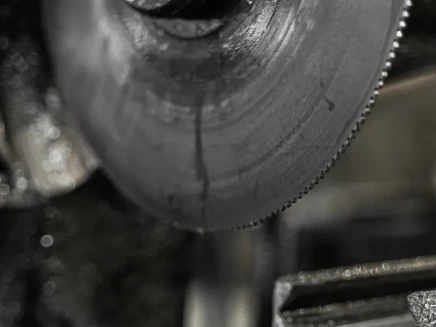
A rotary knife Slitting Machine cuts big rolls. It turns them into small rolls. It uses a smooth shearing process. Spinning round blades cut like sharp scissors. Sanhui Machinery makes top slitting tools. They have over ten years of experience. Top and bottom blades fit together well. They make a precise rotary knife set. This fast machine stays very accurate. It cuts within ±0.1mm. It runs at high speeds. It reaches up to 800m/min. Factories get smooth edges on materials. They also waste very little material. The slitter equipment market keeps growing. It will reach USD 4.39 Billion by 2034.
Key Takeaways
-
Rotary knife slitting machines cut big rolls.
-
They make neat small rolls very fast.
-
Spinning top and bottom blades slice materials smoothly.
-
They act like sharp scissors with no dust.
-
Smart controls protect delicate rolls from wrinkles.
-
They also stop the material from stretching out.
-
Sanhui Machinery builds trustworthy slitting tools.
-
They handle paper, plastic films, foils, and fabrics.
What Is a Rotary Knife Slitting Machine?
A rotary knife slitting machine turns giant rolls into thin strips. Modern plants need a slitting machine for hard materials. This machine is also called a disc knife slitter. Circular blades cut the moving web. Factories often buy a custom rotary knife slitting machine. It handles big converting jobs fast.
Fundamental Rotary Shear Principle
The shear cut uses round blades on parallel shafts. The process follows four simple steps:
-
Blade Arrangement: Staff set top and bottom blades together. They set side pressure.
-
Material Feed: Web moves into blade nip.
-
Shearing Action: The rotary slitter knife spins against lower blade. It cuts like sharp scissors.
-
Rotational Speed Dynamics: Lower knives run slightly faster. Top rotary slitter knife spins smoothly. It makes clean cuts.
Key Advantages in Continuous Converting
A modern slitting machine boosts output. It gives smooth edges. Sanhui Machinery builds a custom slitting machine. Shear cutting leaves no burrs. It makes very little dust. Sanhui design keeps tight accuracy. It keeps roll faces flat. Great precision improves overall roll quality.
High-speed slitter technology maintains uniform web tension while running fragile substrates.
Industrial machines run fast. They reach up to 800m/min. Plants pick a top slitter. It stops waste and bad edges. Smart technology gives maximum efficiency.
Core Structural Components of a Slitting Machine

New slitter machines use strong parts. They work well together. Each part helps web travel. They make exact cuts. They wind rolls tight.
Unwind Stand and EPC Edge Guiding
The unwind stand holds big rolls. EPC systems keep web straight. They work before slitting. Sensors track moving material edges. They do not stop work.
|
Stage |
Component |
Function in Web Alignment |
|---|---|---|
|
Detect |
Sensors |
They track the web edge. |
|
Calculate |
EPC Controller |
It checks edge positions fast. |
|
Correct |
Actuator |
It moves the guide frame. |
-
Ultrasonic sensors track clear films. They track dark sheets too.
-
Systems offer three alignment modes.
Sanhui Machinery installs smart PLCs. They add touch screens. Staff check web edge locations. They see live updates.
Precision Rotary Slitter Knife Assemblies
Cut parts make exact cuts. They handle wide material rolls. An upper rotary slitter knife pairs well. It fits a lower blade. They make clean shear cuts. Staff lock blade holders. They use strong shafts. Easy setup allows 10mm widths.
Stiff shafts stop blade bending. They handle heavy job loads.
Choosing a top rotary slitter knife helps. It creates burr-free edges. Shops set each rotary slitter knife well. They adjust side pressure. Good alignment saves blade life. It helps any fast slitting machine.
Differential Rewind Shafts and Tension Control
Cut strips move to shafts. They use differential rewind shafts. The slitter rewinder uses them. These shafts stop loose edges. They stop bad surfaces.
-
Individual Slip Mechanics: Rings slip to balance thickness. They help many slitter rolls.
-
Dynamic Feedback Control: Load cells send stress data. They alert slitter controls.
-
Defect Prevention: Tight winding stops loose layers. It stops ugly wrinkles. It stops web sag.
Smart systems control web tension. Sanhui Machinery uses smart drives. They protect every slitter. This tech stops film damage. It keeps web stability high. Big plants pick these machines. They fix mechanical errors. They stop tension shocks.
Working Principle of Industrial Slitting
Step 1 Web Unwinding and Tensioning
Work starts at the unwind stand. Large master rolls unroll material. They feed the main converting line. Automatic brakes change the unroll speed. Sensors track material pull at all times. Steady tension stops ugly wrinkles. It stops material wrinkles before slitting. Smooth web feeding helps high accuracy. This happens along the whole line.
Step 2 High-Speed Rotary Shearing
Moving web enters the slitting area. A high-speed rotary knife slitting machine cuts. It uses circular blades for fast cuts. Workers set the blade overlap depth. They set side clearance depth too. Bad settings hurt machine output:
|
Parameter Condition |
Physical Impact |
Effect on Cut Edge |
|---|---|---|
|
Too Little Overlap Depth |
Web pushes into weak separation |
Edge tears and rough uncut strands |
|
Too Much Overlap Depth |
It adds friction and heat |
Faster edge wear and melted edges |
|
Too Large Side Clearance |
Web bends before it breaks |
Burr marks and ragged edges |
|
Too Tight Side Clearance |
It creates strong rubbing force |
Blade chips and fast dulling |
Each counter-rotating rotary slitter knife slices fast. It cuts fast web rolls cleanly. The sharp bottom blade supports it. It holds the top rotary slitter knife. This smooth setup stops all dust. It gives precise cut results.
Step 3 Differential Shaft Rewinding
Cut strips go to twin shafts. Strip thickness changes across big rolls. Modern friction systems fix thickness issues:
-
Independent Core Slippage: Rings let individual cores slip freely.
-
Variable Speed Compensation: Drives turn rolls at dynamic speeds.
-
Surface Speed Uniformity: Speed stays equal on all rolls.
This smart system handles variation well. It fixes thickness changes up to ±5%. Equal tension stops loose material. It stops web breakage and bad rolls. Plants make neat rolls every time.
Comparing Rotary Shearing to Other Slitting Methods
Rotary Shear vs Razor Cutting
Factories pick cut ways. Material thick bounds speed. A flat slitting machine cuts thin films. PE or PVC works. Fixed blades get hot. Heat dulls stationary blades. Edges stretch and warp. A rotary knife slitting machine uses round blades. Spinning blades stay cold. Tension stays low. Edges stay clean. A big slitter cuts fast. It avoids blade changes.
Rotary Shear vs Score Cutting
Score slitting presses knives. An anvil roll crushes web. Crush cutting changes edges. Dust forms during slitting.
|
Cutting Method |
Edge Quality |
Dust & Debris Generation |
|---|---|---|
|
Rotary Shear Slitting |
High accuracy. Clean edges stay flat. |
Very low dust. Clean rooms stay safe. |
|
Score / Crush Slitting |
Rough edges show wide sizes. |
High dust forms fast. Cleanrooms fail. |
-
Shear cuts leave clean edges fast.
-
Low dust keeps plants clean.
A fine slitter cuts paper, film, and foil. Operators pick score cuts for hard jobs:
-
Thick and compressible substrates: Soft foams and rubber.
-
Sticky or pressure-sensitive materials: Sticky layers clog blades.
-
Rigid and high-density paper products: Heavy paperboard needs force.
-
Specific tough laminates: Thick layers peel under shear.
A big slitter handles tough items. Shear systems cut smooth webs best. A smart slitting machine fits materials well.

Industrial Applications for Sanhui Machinery Equipment
Sanhui Machinery builds custom machines. They help many industries. Modern plants use these tools. They cut soft rolls well. They also cut heavy paperboard.
Plastic Films and Laminated Foils
Fast factories use shear tools. They cut plastic films fast. Sanhui tools cut food wrappers. They do not stretch edges. Edges will not tear.
-
Plastic films move smoothly now. Tension control keeps them safe.
-
Special layers stay flat. Wide rolls look very neat.
-
Food packaging keeps tight seals.
Smart guides control thin films. They work during fast runs. Staff run shiny films easily. Surfaces do not get scratches.
Kraft Paper and Coated Board
Heavy paper needs strong tools. Twin blades cut better. Single blades work slower. Twin systems handle thick paper.
|
Performance Metric |
Single Rotary Mechanism |
Synchronous Dual Rotary Mechanism |
|---|---|---|
|
Operational Mechanism |
One blade hits fixed anvil |
Two spinning rollers cut together |
|
Cut Edge Precision |
Thick paper shows small angles |
Flat edges stay super straight |
|
Material Capacity |
It holds medium paper weights |
It cuts very heavy paper |
|
Dust Generation |
It makes some paper dust |
It creates almost no dust |
Twin cylinders spin together fast. They match web speeds well. This scissor action cuts kraft paper. Material stays flat and smooth.
Non-Woven Fabrics and Self-Adhesive Labels
Plants choose custom setups now. They fix tough work problems. These tools help special jobs.
|
Material Type |
Recommended Machine Configuration |
Targeted Issue Prevented |
|---|---|---|
|
Non-woven Fabrics |
Sound cutting or crush tools |
Messy edges and loose threads |
|
Self-Adhesive Labels |
Non-stick rollers and twin shafts |
Glue buildup and stuck edges |
A double shaft stops web breaks. It protects sticky label stock. Smart tools boost daily output. They keep cut sizes exact.
A modern machine cuts fast. It gives very clean cuts. It works well every time. Smart tools save time. They stop material waste. Sanhui Machinery adds automatic tension control. Each slitting machine gets it. These smart machines handle many items. A great slitter rewinder helps work. It boosts total plant output. Workers improve their daily flow. They use custom tools. Contact Sanhui Machinery today. Get special converting solutions now.
FAQ
What materials can a rotary knife slitting machine cut?
This machine cuts plastic films. It cuts paper rolls. It cuts non-woven fabrics. It cuts aluminum foil. It cuts labels. Continuous shearing cuts materials cleanly. Edges do not bend.
What is the maximum slitting speed of Sanhui Machinery equipment?
Fast models reach 800m/min. Standard models run at 200m/min. Other models reach 400m/min. Smart tension systems keep webs stable. They work at all speeds.
What slitting accuracy can operators achieve with these machines?
Exact round blades cut within ±0.1mm.
Sharp circular blades cut without burrs. Automatic edge controls guide material. Differential shafts keep rolls flat. Roll faces stay within ≤0.5mm.
How does automatic tension control improve slitting quality?
Smart systems track web pull constantly. Brakes adjust tension quickly. Smart drives help during unwinding. They help during rewinding too. This balance stops stretching. It stops web sag. It prevents bad wrinkles. It prevents surface defects.