Razor, Shear and Score Slitting Methods A Guide for Converting Professionals
|
Slitting Technology |
Line Speed |
Edge Quality |
Blade Cost |
Ideal Substrates |
|---|---|---|---|---|
|
Razor |
Medium |
Fair |
Low |
Thin Films |
|
Shear |
High |
Excellent |
High |
Paper, Foil, Film |
|
Score |
Medium |
Good |
Medium |
Nonwovens |
Picking the best slitting method helps right away. It improves your work speed and edge quality. You must match materials to methods correctly. This stops defects on the material edges. Common slitting methods give different results at work. Razor slitting offers low tool costs. But a razor Slitting Machine fits thin films. Meanwhile, shear slitting cuts paper fast. Also, score slitting cuts nonwovens cleanly. Advanced Sanhui Machinery slitting equipment uses modular knives. These special knives help simplify your slitting process.
Key Takeaways
-
Pick razor slitting for thin plastic films.
-
This helps lower tool costs.
-
Use shear slitting for heavy paper and foil.
-
It helps to create very clean edges.
-
Pick score slitting for nonwovens.
-
It uses air pressure to make setup simple.
-
Control machine tension and keep blades sharp.
-
This stops dust and bad edge defects.
Overview of Industrial Slitting Methods
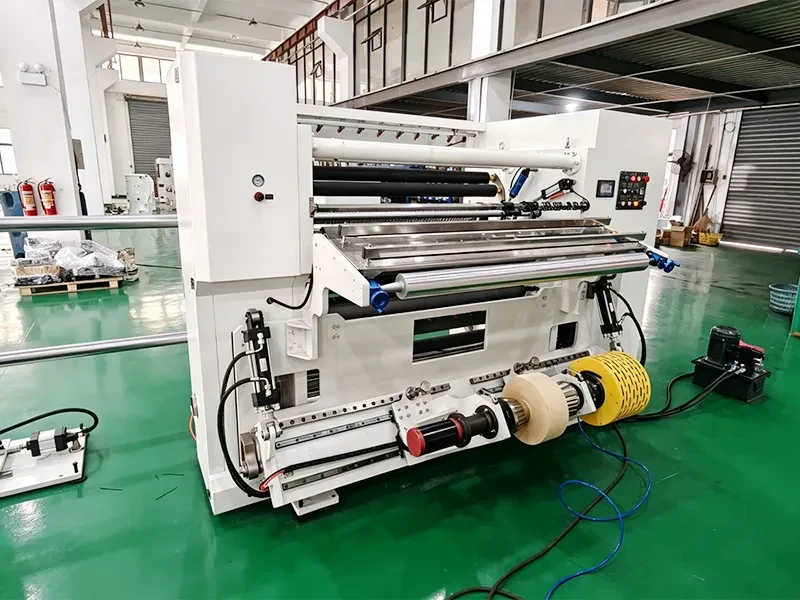
Pick the right way to boost your work line. Three main slitting methods handle bendable items best. They are razor slitting, shear slitting, and score slitting. Modern Sanhui Machinery units cut items with high trust. These top machines cut straight within ±0.1mm accuracy. They keep rewinding end faces flat under 0.5mm.
Mechanics of Web Slitting
Each way handles tight material and splits it differently. Shear slitting uses two spinning knives like scissors. This scissor cut makes neat edges with zero warping. Score slitting uses strong air pressure instead. It presses a round blade on a steel roll. This crush cut pinches the sheet apart. It can leave slightly raised edge borders. Sharp blade angles cut thin films cleaner. Wide blade angles make tools last longer. Razor slitting pulls sheets across steady thin blades. This cuts loose items well.
💡 Operating Tip: Blade angle choice directly affects tool life and edge quality during long runs.
Primary Performance Trade-offs
Balance work speed, tool setup, and product quality now. Fast slitting models from Sanhui Machinery hit 800m/min safely.
|
Technique |
Blade Geometry |
Setup Complexity |
Max Speed Limit |
Material Compatibility |
|---|---|---|---|---|
|
Razor Format |
Thin flat blades (3-hole, slotted) |
Easy setup with quick blade swaps |
Up to 400 m/min |
Thin plastic films, light laminates |
|
Shear Format |
Crossing top and bottom circular knives |
Hard setup needing exact fit and load |
Up to 800 m/min |
Heavy paper, foil, thick film webs |
|
Score Format |
Round edge blades on a steel roll |
Medium setup using air pressure controls |
Up to 500 m/min |
Nonwovens, textiles, pressure-sensitive stocks |
Picking the right machine setup keeps work moving fast. It also stops material waste on your shop floor.
Razor Slitting Technology and Applications
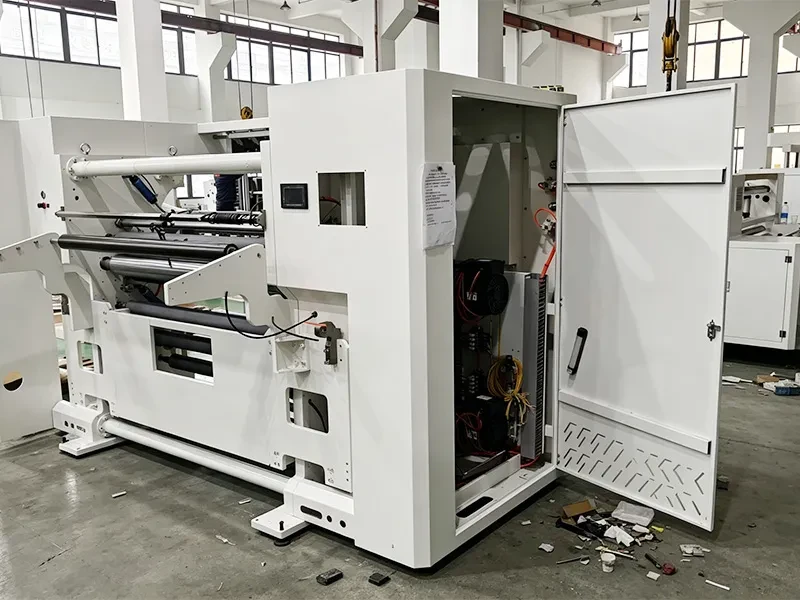
Razor slitting offers a simple way to cut thin materials. You pull a flexible web through fixed blades. The razor blades slice the material cleanly.
Razor Slitting Machine Mechanics
You can run a razor slitting machine easily. The web travels across fixed steel or ceramic blades. These fixed blades slice the moving web constantly. Sanhui Machinery puts precise mounting blocks into every razor slitting machine. This holds blades firm. It keeps tool costs low. It makes daily work easy. Every razor slitting machine cuts well without complex driving systems.
In-Air vs In-Groove Razor Slitting
Set up your razor slitting process in two ways:
-
In-Air Method: You hang the web between two rolls. The razor blade pierces the unsupported web. High web tension holds the path.
-
In-Groove Method: You support the web on a grooved roller. The blade tip sits inside a matched groove. This solid backing holds the film still. It improves cutting precision.
The in-groove trick cuts web flutter. It helps fast slitting operations.
💡 Operating Tip: Pick in-groove razor slitting for thin films. It stops web stretching and bending.
Thin Film Substrates and Blade Wear Limits
Razor slitting works best for plain films. It cuts BOPP, PET, and PE well. Sharp edges make smooth borders. They create no dust.
Watch the wear rate closely during long runs. Web friction builds severe heat on the blade. Heat dulls the edge. Dulling hurts quality.
Converting engineers must watch two main limits here. Thick materials drag hard. They bend thin blades. Also, abrasive coatings wear out tool steel fast. Knowing these limits ensures timely blade swaps. It keeps slitting performance consistent.
Rotary Shear Slitting Precision
Rotary shear slitting gives very neat cuts. It handles tough jobs well. You get exact web cuts. Top and bottom knives run together. They move smoothly to split webs.
Scissor Cut Cutting Dynamics
Pick shear slitting for thick webs. It cuts multi-layer items well too. This method uses two round blades. They slice moving webs fast:
-
Scissor-Like Dual-Blade Mechanism: Top and bottom round knives overlap. They slice cleanly through webs. They do not crush them. This stops material damage. It prevents edge cracks.
-
Superior Edge Integrity: You make super clean edges. They have tight limits. The process makes almost no dust. It leaves no tiny debris.
-
Multi-Layer Substrate Handling: You cut thick webs easily. Laminated webs cut well too. Blades do not drag. Edges will not fray. Margins stay totally smooth.
Tangential vs Wrap Routing Configurations
Route your web in two ways. Use tangential or wrap paths. Tangential cuts touch bottom knives once. This setup allows quick machine prep. Wrap cuts wrap material around shafts. This keeps material steady. It aids high-precision cutting runs. Space and setup limits exist. Check these limits before changing paths.
💡 Operating Tip: Match web paths to material stiffness. This stops slitting errors at speed.
Overlap Cant Angle and Side Load Setup
Proper shear slitting calibration guarantees consistent edge quality and extends blade life.
|
Parameter |
Recommended Setting |
Function in Shear Slitting |
|---|---|---|
|
Overlap Depth |
0.5 to 0.75 mm |
Small overlaps lower blade wear. They keep slitting performance clean. |
|
Cant Angle |
0.5° to 1° |
Correct alignment stops folding. It prevents web breaks. |
|
Side Load Force |
Minimum effective pressure |
Low side force keeps contact. It stops heat build-up. It prevents knife separation. |
Careful setup stops edge dust. It prevents fuzz and width changes.
Score and Crush Slitting Principles
Pneumatic Compression and Anvil Contact
Pick crush cutting for heavy web items. It avoids hard blade setups. The method uses direct force. It skips scissor cuts. Press a round blade on steel. Pinching forces split the moving web. Proper tuning keeps edges clean.
Key rules of crush cutting include:
-
Compressive Severing Action: High pinch pressure splits webs. This compression skips traditional shear cutting.
-
Blunt Blade Geometry: Round knives use dull edges. Standard bevel angles prevent blade chips.
-
Hardness Gradient Requirement: Hard steel anvil rolls resist grooves. The roll stays harder than knives.
-
Regulated Pneumatic Loading: Controlled air pressure pushes knives down. This protects tools and splits items.
Score Cut Applications for Tough Substrates
Use score slitting for tough webs. It cuts dense products easily. Modern lines run crush cutting fast. You get neat, uniform cuts. You can convert these materials well:
-
Thick and tough non-wovens
-
Pressure-sensitive adhesives
-
Laminates and tapes
-
Fabrics and rubber
Managing Dust and Tool Wear
Crush cutting brings unique operational issues. Constant pressure causes fast blade wear. Edge dulling limits your work options. Watch blade nip pressure closely.
High air pressure makes material dust. Adjust machine settings to lower debris. Less downward force extends tool life. Clean score setups protect roll quality. Tracking wear rates improves overall work. Flexible operations need clean blades. Proper setup stops web breaks.
Selecting the Right Slitting Method for Substrates
Match materials to methods for efficient web conversion. Items have unique strengths, stretchiness, and thickness levels. Matching these properties to processes stops edge defects. Sanhui Machinery slitting tools use automatic tension control. They also use EPC edge correction systems. These advanced controls steady soft or firm webs fast.
|
Slitting Method |
Suitable Thickness |
Substrate Hardness & Material Characteristics |
Ideal Web Applications |
|---|---|---|---|
|
Razor Format |
Thin gauge (typically ≤80μm) |
Soft, non-abrasive, low-rigidity materials |
PE, EVA, PP, and thin PET films |
|
Shear Format |
Medium to heavy gauge (~50μm–500μm) |
Tougher, deformation-sensitive, or rigid substrates |
Thicker PET, coated/laminated films, paper, board, aluminum foil |
|
Score Format |
Heavy gauge (≥250μm) |
High-density, highly rigid, or abrasive materials |
High-density rigid paperboard, nonwovens, foam, rubber |
Flexible Packaging Films BOPP PET and PE
Packaging items like BOPP, PET, and PE shift easily. High tension stretches soft plastic films quickly. Low tension creates many ugly wrinkles instead. Choose the right slitting process to stop distortion.
-
Thin Gauge Handling: Thin plastic films below 80μm cut cleanly. Use sharp razor setups or light circular knives.
-
Tension Calibration: Automatic tension controls hold steady web pull. This system stops film stretching at high speeds.
-
Narrow Web Widths: Make slitted rolls down to 10mm wide easily. Edges stay clean without bending or warping.
💡 Operating Tip: Use photoelectric EPC edge correction for clear PET webs. The sensor centers webs to maintain ±0.1mm accuracy.
Paper Board and Adhesive Label Stock
Thick paper board and label stocks need tough tools. Choosing shear slitting over fixed blades stops glue buildup. Fixed blades pull glue out onto roll edges.
-
Active Driven Knives: Heavy labels weighing 150gsm need active knives. Powered circular blades cleanly slice paper and glue.
-
Overlap Reduction: Lower knife overlap depth by roughly 0.2mm now. Smaller overlaps stop blades from squeezing sticky glue out.
-
Special Blade Coatings: Use blades with slick coatings like PTFE. These smooth coatings stop sticky glue build-up fast.
Rotary shear cutting gives neat edges on label stocks. Active scissor cuts leave clean borders and flat faces.
Metalized Films Aluminum Foil and Nonwovens
Metallic foils and nonwoven fabrics need special setups. Metalized films tear if slitter blades shift off-center. Nonwoven fibers need strong pinching forces to cut.
Use crush cutting for nonwovens and rough items. Score slitting uses air pressure on steel rolls. Meanwhile, shear blades cut delicate foil without metal flakes.
Material Routing Strategy:
- Aluminum Foil / Metalized Film --> Rotary Shear Blades (Clean Scissor Cut)
- Dense Nonwovens / Thick Textiles --> Pneumatic Crush Cutting (High Compressive Severing)
Sanhui Machinery equipment supports versatile jobs using modular shafts. Swap slitting methods fast to meet shop demands. Proper mechanical setup keeps rolls flat on every run.
Machine Parameters and Edge Quality Optimization
Machine settings change your final material quality. You balance tension, blades, and speed to cut well.
Web Tension and EPC Alignment Controls
Good tension stops material damage at top speeds. Modern machines use auto systems to keep edges clean.
-
Automatic Closed-Loop Tension Control: Sensors measure web pull. The machine adjusts motors fast to stop stretching.
-
Electronic Edge Position Control (EPC): Optical sensors track edges. Actuators shift webs instantly for clean cuts.
-
Synchronized Alignment: Systems stop wrinkles. They also stop bad line alignment during fast adjustments.
Blade Metallurgy HSS Carbide and Ceramic
Blade metals change tool life and cut quality. You evaluate hardness, costs, and wear limits.
|
Performance Metric |
High-Speed Steel (HSS) Knives |
Carbide Slitting Knives |
|---|---|---|
|
Hardness & Resistance |
63–66 HRC; dulls easily under heavy continuous loads |
HRA 89–93; offers 5x more wear resistance |
|
Unit Purchase Cost |
Cheap option (~50–200 RMB for one unit) |
High upfront cost (~300–1000 RMB for one unit) |
|
Operational Lifetime |
Short life (~50–100 total running work hours) |
Long service life (~500–1000 total running work hours) |
Steel offers low costs. But abrasive items cause fast wear. Carbide costs more upfront. Yet it adds extreme hardness to save money. Ceramic blades offer high chemical protection. But extreme brittleness limits their use on heavy webs. Picking the right blade guarantees great final results.
Speed Capabilities and Thermal Management
Friction creates heat at blade contact points. High friction ruins film edges. It hurts edge quality. You boost production performance by cooling blade points well. Proper air cooling stops heat build-up at speed. Good temp control allows fast runs without melting.
Troubleshooting Slitting Defects on Floor Lines
Fix slitting problems fast with simple diagnostic steps. First, check your blades and setups. Next, change one setting at a time. Last, track web tension readings for maintenance.
Correcting Edge Burrs and Rolled Borders
Burred edges come from worn blades or poor alignment. Check wear patterns to fix edge quality.
|
Edge Defect |
Suspected Root Cause |
Diagnostic Procedure |
|---|---|---|
|
One-sided Burrs |
Worn blades, bad alignment |
Check wear and blade height |
|
Edge Waviness |
Low tension, loose blades |
Check line tension and mounts |
|
Fiber Pullout |
Dull edges, wrong angles |
Check blade sharpness and angles |
Eliminating Slit Dust and Angel Hair
Dull blades and weak vacuums create dust. Check blade sharpness under magnification to stop angel hair. Heavy nonwovens need careful pressure settings. Too much air pressure dulls blades fast. It creates extra dust. Sanhui Machinery builds slitting machines with modular knives. This allows quick setup changes. Call Sanhui Machinery 24/7 technical support for help. They resolve sudden line downtime fast.
Resolving Web Interlocking and Edge Scalloping
Web drift and tension changes cause scalloping. They also cause interlocking rolls. Monitor web guides to keep cuts clean. Proper tension stops web weaving at high speeds. Fast machine checks protect product quality always.
Picking the right slitting method boosts work speed.
Compare each slitting method to your material thickness.
Use a razor slitting machine on thin films.
Use shear slitting for heavy paper sheets.
Pick score slitting for thick nonwovens.
📋 Converting Line Audit Checklist:
Check blade alignment and overlap.
Adjust automatic web tension.
Test anvil roll hardness.
Sanhui Machinery builds custom systems for neat edges.
Our slitting technology cuts waste and boosts total output.
FAQ
Which slitting method works best for thin plastic films?
💡 Quick Answer: Razor slitting cuts thin films best.
Use razor setups on thin materials. BOPP and PET cut well. Fixed blades slice unsupported webs cleanly. This cuts tool costs. Setup stays simple too.
How do you stop dust during the slitting process?
Stop dust with sharp blades. Set correct knife angles. Lower air pressure on score blades. Clean knife edges often. This stops loose dust. You save your rolls.
What slitting speed can Sanhui Machinery equipment reach?
Fast Sanhui Machinery units hit 800m/min. Auto systems keep web tension steady. Materials stay aligned fast. They stay steady at top speeds.
Why does web tension matter for slitting accuracy?
Good tension stops material stretching. It prevents shifting and wrinkles. Auto systems shift motor speeds constantly. This gives you smooth roll faces. Runs stay clean throughout.