How Industrial Slitting Machines Work in 2026
You use an industrial Slitting Machine by first unwinding a big roll. The machine then cuts the material into smaller strips. After that, it rewinds the strips into new rolls. Modern slitting machines use precision and automation. This helps you get the same good quality every time. Today, 64% of factories use slitting machines to work faster. Automation helps you change settings right away. This can make work 20% faster. It also cuts down waste by 30%. AI monitoring helps check quality better.
|
Impact on Production |
Description |
|---|---|
|
Efficiency Increase |
Companies that use automation can work 20% faster. |
|
Waste Reduction |
Changing settings quickly can cut waste by 30%. |
|
Quality Control |
Using AI helps watch quality all the time. |
Key Takeaways
-
Industrial slitting machines cut big rolls into smaller strips. This helps work get done faster by up to 20%.
-
Automation in slitting helps lower waste by 30%. It also keeps quality the same by checking things in real time.
-
It is important to check blade sharpness and tension often. This helps make smooth cuts and stops mistakes.
-
Picking the right slitting machine for your material and job size is important. It makes the work better and faster.
-
Safety features like emergency stops and robotic arms help keep workers safe. They also make slitting work easier and faster.
Industrial Slitting Machine Process
The industrial slitting machine changes big coils into smaller rolls. You follow steps to make sure the rolls are good and made fast. Each part of the process is important for getting the same results every time.
Unwinding Master Rolls
You begin by putting a master coil on the machine. The master coil has the raw material, like paper, film, or foil. You need to set up the coil the right way. If you do not, problems can happen later. If the coil is not straight, the tension can be wrong or the material can wrinkle. The slitting machine uses special tension control to keep the material steady. Sensors watch the tension all the time. The system changes things by itself, so the material does not stretch or break.
Tip: Always check if the coil is straight and the tension is right before you start. This stops the rolls from being loose or wrinkled.
Some common problems when unwinding are:
-
Tension settings that are wrong, which can make rolls loose or uneven.
-
Wrinkles from bad tension.
-
The master coil not lined up, which makes tension different across the roll.
Modern industrial slitting machines help you avoid these problems. The closed-loop tension control keeps everything steady and protects the material.
Precision Slitting Operation
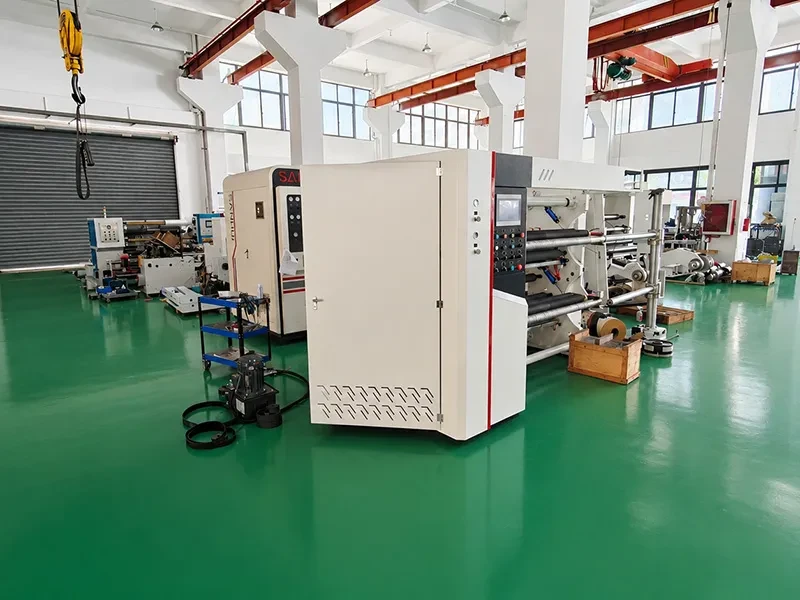
After unwinding, the slitting starts. You guide the material through the slitter rewinder. Sharp blades or knives cut it into thin strips. Where you put each blade is very important. You must set the knives very carefully to get the right size. Sanhui Machinery’s slitting machine lets you move the blades with tiny adjustments. This makes sure each strip is the right width.
-
Some slitting machines can cut with a precision of ±10 micrometers.
-
You can move the blades a tiny bit for perfect cuts.
-
The edge correction system keeps the material in the center, so every strip looks the same.
|
Step |
Contribution to Product Quality |
|---|---|
|
Selection of Master Coil |
Makes sure the size and material are right, stopping misalignment and extra waste. |
|
Slitter Machine Setup |
Putting the knives in the right place keeps the product the same and the sizes tight for the whole job. |
|
Feeding the Coil |
Watching speed and tension stops the material from cracking, which is important for thin strips. |
|
Edge Trimming |
Cleans the edges to stop safety problems and keep the product strong, cutting down on mistakes that hurt quality. |
|
Recoiling |
Checking quality at the end keeps the size the same, making production more reliable. |
You can use the slitting machine for many things, like plastic films, paper, and aluminum foil. The process makes sure the edges are smooth and not wrinkled. This kind of careful cutting is needed for packaging and electronics.
Rewinding Finished Rolls
After slitting, you wind the strips into new rolls. The slitter rewinder uses tension and alignment controls to keep each roll tight and even. You should check if the rollers are lined up and clean. If you see dust or dirt, clean it right away. Change any rollers that are worn out to stop slipping or shaking.
-
Check the tension settings in the control system.
-
Make sure the rollers are lined up and the path is clear.
-
See if the brakes and motors work well.
-
Use guide rollers to keep the film flat and in the middle.
You can add an edge position control system to help the film go into the winding station the right way. Automation in rewinding helps cut down waste and makes the rolls better. High-precision rewinding and good tension control keep the material the same. Automated checks help you find problems early, so you can fix them before they get worse.
|
Technology Type |
Impact on Waste Reduction and Roll Quality |
|---|---|
|
High-precision rewinding systems |
Cut down on waste by keeping quality the same. |
|
Accurate tension control |
Keeps the material strong, lowering mistakes and waste. |
|
Automated inspections |
Makes work faster and keeps products up to standard. |
|
Fiber uniformity testing |
Makes sure the product is always the same, cutting down on changes. |
|
Surface smoothness enhancement |
Lowers mistakes, helping rolls be better quality. |
Note: Check and take care of your slitting machine often to get the best results.
By following these steps, you make sure the industrial slitting machine gives you good rolls every time. The whole process uses smart automation and careful controls. You get the same, reliable results for every batch.
Types of Slitting Machines by Sanhui Machinery
Sanhui Machinery has many slitting machines for different jobs. You can pick from models like vertical, horizontal, gantry, ground roller, automatic roll change, and Aluminum Foil Slitting Machines. Each type works best with certain materials or industries. If you need something special, you can ask for a custom machine. Sanhui’s engineers have worked for over 14 years. They can help you choose the right industrial slitting machine for your work.
|
Customization Aspect |
Description |
|---|---|
|
Tailored Solutions |
Machines are made for your industry and material needs. |
|
Experience |
Skilled engineers help you pick the right machine. |
|
Product Line |
Many slitting machines fit different jobs. |
|
Industry Applications |
Machines work with paper, plastic films, flexible packaging, and more. |
Rotary Slitting Machines
Rotary slitting machines use round blades to cut as material moves. These machines are used in packaging, printing, and electronics. They help make parts for cars, appliances, furniture, and signs. Rotary slitters are good for converting, factories, and aerospace. They give fast, clean cuts and work with many materials.
-
Used in transport, electronics, and making signs
-
Good for fast and big jobs
Shear Slitting Machines
Shear slitting machines have two blades that cut like scissors. You use these for thick films, paper, foils, composites, layered materials, plastic, and non-wovens. Shear slitting gives very exact and neat cuts. These machines are great for tough jobs where you need strong rolls and smooth edges.
-
Best for thick or layered materials
-
Used in packaging, paper, and factories
Razor Slitting Machines
Razor slitting machines use fixed blades to cut thin films and light laminates. They make very clean edges and little dust. These machines are easy to set up and work at slow or medium speeds. You need to change the blades often, but they give great results for thin materials.
|
Criteria |
Razor Slitting |
Shear Slitting |
|---|---|---|
|
Material Type |
Thin films |
Paper, foils, nonwovens |
|
Edge Quality |
Clean |
Precise |
|
Setup Complexity |
Easy |
Moderate |
Choosing the Right Slitting Machine
Think about how thick your material is and how fast you need to work. Make sure your slitter fits your material and job size. Look for features like tension control and digital checks. Pick a brand with good support and a strong history. Plan to take care of your industrial slitting machine often so it works well.
Tip: Always pick a slitting machine that matches your job for the best results.
Quality & Efficiency Factors in Slitting
Tension & Alignment Control
You must keep tension the same during slitting. If tension changes, the material can wrinkle or stretch. Sanhui Machinery uses a closed-loop tension control system. This system checks tension all the time and fixes it right away. You get clean cuts and less waste. Automatic tension control can cut material waste by 30%. You also have less downtime, sometimes up to 40%. Alignment control helps stop uneven cutting. Sensors watch the edge and move guide rollers to keep the material straight. If you check drive belts, pulleys, and motor mounts often, you stop misalignment.
|
Evidence Type |
Description |
|---|---|
|
Tension Control |
Keeps web tension steady for clean cuts and less waste. |
|
Alignment Control |
Stops uneven cutting and lowers wear on machine parts. |
Tip: Always check tension and alignment before every job. This helps you meet tight tolerances and keeps rolls smooth.
Blade Maintenance & Setup
Blades must be sharp for good slitting. You need to check blade sharpness every day. Dull blades make uneven cuts and cause defects. You should recalibrate the machine often. Change settings for each material you use. Replace worn parts to keep the machine working well. If blades are sharp and set up right, you get smooth edges with no burrs or wrinkles. Sanhui Machinery’s cutter adjustment mechanism lets you set blade positions very accurately. You can reach tolerances as close as ±0.05mm.
-
Check blades for sharpness and damage.
-
Recalibrate settings for each material.
-
Replace worn blades and parts quickly.
Note: Daily blade checks help you avoid defects and keep cutting quality high.
Common Defects & Troubleshooting
You might see defects like burrs or camber when slitting. Burrs happen if blade clearance is wrong. Camber comes from tool holders that are not lined up. If you see ragged edges or curved strips, check blade sharpness and alignment. Make sure spacers and locking parts are tight. Sanhui Machinery uses real-time correction and regular calibration to help you meet strict tolerances.
-
Burrs: Fix blade clearance and sharpen blades.
-
Camber: Line up tool holders and check tension.
-
Ragged edges: Replace dull blades and adjust setup.
|
Quality Control Measure |
Description |
|---|---|
|
Cutter Adjustment Mechanism |
Lets you set blade positions with high accuracy. |
|
Tension Control System |
Keeps tension steady for smooth slitting. |
|
Deviation Correction System |
Adjusts guide rollers to prevent slitting deviation. |
|
Accuracy Standards |
Meets tolerances up to ±0.1mm for standard models. |
Callout: If you follow these steps, you get rolls with smooth edges and tight tolerances every time.
Safety & Advancements in Metal Slitting
Safety Features & Practices
It is important to stay safe when using metal slitting machines. Sanhui Machinery makes machines with strong safety protection and emergency stops. These safety features help you stop the machine fast if something is wrong. Emergency stop buttons are bright red and easy to find. You can press them quickly if there is an emergency. Stopping the machine fast helps prevent accidents.
-
Emergency stops shut off the machine right away if needed.
-
You can see and use these buttons even if you are nervous.
-
Good button placement helps you act fast and stay safe.
OSHA says emergency stop buttons must be easy to see and use. This rule helps keep everyone safe at work.
Moving parts have safety guards to protect you. These guards stop you from touching sharp blades or rollers. Robotic arms help lift heavy coils, so you do not get hurt. Automated alignment systems keep the material straight. This helps stop jams and accidents.
Automation & Smart Monitoring
Automation makes metal slitting safer and easier. New machines have automatic blade guards and emergency stops. These tools help stop injuries. Automated systems load and unload coils for you. Sensors check the material’s position and keep it lined up. You spend less time fixing problems and more time making good rolls.
|
Safety Feature |
Description |
|---|---|
|
Emergency Stop Systems |
Stops the machine fast in emergencies. |
|
Safety Guards |
Keep you away from moving parts. |
|
Robotic Arms |
Move heavy coils safely. |
|
Automated Alignment |
Keeps coils straight and cuts clean. |
Smart monitoring uses sensors and real-time data. These sensors watch for problems like shaking or heat. If something is wrong, the system warns you. You can fix small problems before they get worse. Predictive maintenance helps you plan repairs and avoid long stops. This keeps your metal slitting machine working longer and saves money.
-
Predictive maintenance uses sensors to check machine health.
-
Data analytics and machine learning help find problems early.
-
You can fix issues before the machine breaks down.
Trends in Slitting Technology 2026
In 2026, slitting technology is changing a lot. Machines use more automation and smart features. Sensors give you updates right away, so you can act fast. Predictive maintenance tells you when to fix parts, which lowers downtime. Energy-saving designs help you use less power and protect the planet. Modular machines let you change setups quickly for different jobs.
Industry 4.0 and IoT make metal slitting smarter. Machines share data and talk to each other. You get more control and better results. Communication protocols like MQTT and OPC UA help machines and management systems work together. You can see all the data you need to make good choices.
Tip: Pick a metal slitting machine with smart monitoring and strong safety features. This helps you work faster, safer, and with less waste.
You get a big benefit when you know how slitting machines work. It is also important to know why quality matters. New machines, like the ones from Sanhui Machinery, help you work faster. They also help you make better products.
-
Advanced slitting machines help you save time and cut waste. They use smart technology to give you better results.
-
AI systems look for problems, so you get good rolls every time.
|
Benefit Type |
Description |
|---|---|
|
Efficiency |
You can make things faster and stop wasting time |
|
Quality |
You get exact cuts and make fewer mistakes |
|
Safety |
Good safety features help you work without worry |
Experts say you should pick the right partner and use new technology. This helps you stay ahead in 2026.
FAQ
What materials can you use with a slitting machine?
You can use paper, plastic film, aluminum foil, non-woven fabric, and adhesive labels. Sanhui Machinery’s slitting machines work with lots of materials. If you need something special, you can ask for custom options.
How often should you check the blades?
You should check the blades every day. Sharp blades help you make clean cuts. Dull blades cause problems. Replace blades if you see damage or wear.
Why does tension control matter?
Tension control keeps the material steady. You avoid wrinkles and stretching. You get smooth edges and less waste. Sanhui Machinery uses automatic tension systems for best results.
Can you change the slitting width?
Yes, you can change the slitting width. The smallest width is 10mm. You set the blade positions for your job. Sanhui Machinery lets you adjust the machine for different sizes.
What safety features help you stay safe?
Emergency stop buttons and safety guards keep you safe.
Robotic arms move heavy coils for you.
Automated systems keep the material straight.
You work safer and avoid accidents.