Complete Guide to Buying an Industrial Single Shaft Slitting Machine
As factory managers, engineers, and buyers, evaluating machinery components is a critical step in optimizing production. Key factors include assessing material width, advanced tension control, precision slitting tools, and operating line speeds. Before selecting a trusted equipment manufacturer, smart buyers thoroughly define their specific operational needs. Every Slitting Machine setup directly impacts your output, and incorporating a specialized single shaft slitting machine can tailor the slitting process to match your exact material requirements. By utilizing smart tension control, dynamic drive systems, and precise knife configurations, you can significantly reduce material waste and boost overall productivity. Thorough buyers rely on a clear checklist, ensuring they choose the best machine for high-efficiency processing and long-term operational success.
Key Takeaways
-
Check roll size first.
-
Pick the right machine.
-
Run it a bit slower.
-
This protects the sharp blades.
-
It stops the material breaking.
-
Pick the best cutting way.
-
This gives smooth cut edges.
-
Use special tension control tools.
-
They stop thin films stretching.
-
They stop thick paper sagging.
-
Save settings for fast setups.
-
Finish setups under five minutes.
-
Put up good safety guards.
-
Use easy lifts for workers.
-
This helps load rolls faster.
-
Check helper team reviews carefully.
-
Look for good energy savings.
-
This lowers your total costs.
Key Parameters for Single Shaft Slitting Machine
You must check technical specs first. Every plant handles unique rolls. They need different materials and goals. Clear limits help you pick right.
Web Width and Diameter Limits
Roll sizes set your limits. Match machine size with standard rolls. You need correct finished rolls too.
💡 Tip: Pick big roll capacities always. They fit your largest roll. This avoids big production delays.
Parent Roll Unwind and Rewind Capacities
Parent roll size controls runtime. Big unwind stands hold master rolls. They come from paper mills. Normal machines handle up to 1600mm. Big unwinders run longer continuously. They reduce core change stops.
Rewind size limits finished rolls. Industrial single shaft units rewind 1200mm. You can handle heavy rolls easily. You make large finished reels fast. This table shows main size limits:
|
Parameter Type |
Standard Industry Range |
Sanhui Machinery Capability |
|---|---|---|
|
Max Unwind Diameter |
800mm – 1200mm |
Up to 1600mm |
|
Max Rewind Diameter |
600mm – 1000mm |
Up to 1200mm |
|
Minimum Slitting Width |
15mm – 25mm |
Down to 10mm |
Substrate Material Thickness and Weight Range
Material thickness helps pick shafts. Thin plastic needs gentle handling. Thick paperboard needs strong support. A modern slitting machine uses strong frames. These frames stop bad vibrations.
Weight limit matters for heavy materials. Normal machines hold 1500 kg rolls. Stronger models support over 3000 kg. Check that frames do not bend. Stiff frames keep knives straight.
Production Speed and Output Requirements
Machine speed changes total output. Speed affects your delivery schedules. Top speeds differ from normal output.
Rated Line Speeds vs Stable Operating Speeds
Makers grade machines by top speed. Normal models run 200m/min or 400m/min. Fast custom models reach 800m/min.
[ Rated Speed: 800 m/min ] ➔ Real-world Stable Speed: 560 - 640 m/min (70% - 80%)
Do not run top speed constantly. Safe daily speeds use 70% capacity. Safe speeds use 80% capacity too. Material quality sets safe speed limits. Glue and core strength matter too. Good speeds protect tools well. Safe speeds stop broken webs.
Target Daily Yield and Batch Size Versatility
Daily output needs constant uptime. Quick setup changes help output too. High speeds cut processing time. Fast knife tools change layouts quickly.
Good settings lower stop times. Easy shaft loading helps output. Balanced speeds boost total daily yield. Fast setup features add more profit.
Material Compatibility and Substrate Handling
Your slitting work needs flexibility. Machines handle many different materials. Each material needs custom settings. Different tools are needed too. A slitting machine cuts film. It cuts heavy paper too. It cuts foil very easily. Good machines perform well daily.
Processing Diverse Flexible Substrates
Flexible materials react differently. Tension changes how materials act. Blade pressure changes things too. Choose correct knives for materials.
Film Laminates BOPP PET and PVC
Plastic films stretch very easily. High tension stretches these films. BOPP needs gentle web handling. PET needs careful handling too. PVC needs light tension also. Good handling stops film stretch. Use precise cutting tools. Precision tools stop edge slivering. Straight rollers keep film flat. Flat films run very fast.
Kraft Coated Paper and Specialty Paperboards
Thick paper makes heavy dust. Dust forms during conversion work. Coated paper needs sharp blades. Sharp rotary blades cut smoothly. Paperboard needs strong shaft supports. Sturdy drive motors are needed. Strong holders keep knives straight. Holders will not bend easily.
Non-Wovens Aluminum Foil and Adhesive Labels
Non-woven fabrics tear very easily. Thin aluminum foils tear too. Bad tension ruins delicate materials. Sticky labels need coated rollers. Anti-stick coatings help rollers move. Match blades with material types. Correct blades protect product quality.
💡 Tip: Clean knife parts very often. Clean them when cutting labels. Glue build-up dulls sharp edges. Dirty blades ruin web flow.
Precision Slitting Accuracy Demands
Cutting raw rolls takes control. Control creates neat finished reels. Customers expect clean roll edges. Every delivered roll needs precision.
Minimizing Burrs Wrinkles and Deformation
Defects waste expensive raw materials. Bad knife angles make burrs. Loose tension creates ugly wrinkles. Smooth material flow protects quality. Good flow speeds up processing.
Achieving Strict Slitting Width Tolerances
Exact measurements mean true success. Narrow slitting needs precise settings. Special setups hit ±0.1mm limits. Small strips measure 0.375 inches.
|
Substrate Type |
Common Slitting Blade |
Target Quality Result |
|---|---|---|
|
BOPP / PET Films |
Razor Blades |
Burr-free edge, zero stretch |
|
Coated Kraft Paper |
Rotary Shear Knives |
Clean edges, minimal dust |
|
Adhesive Labels |
Air-cooled Shear Knives |
Smooth roll edges, no bleed |
Proper slitting ensures exact widths. Every run stays very consistent. Great machine accuracy improves quality. Finished products look much better.

Core Tension and Control Features of Slitting Machine
New plants need good web systems. Smart tools give operators full control. Sanhui Machinery builds every slitting machine with PLCs. They add full-automatic closed-loop tension systems. These parts speed up daily setups. They make your slitting process stable.
Web Tension Management Systems
Steady pull stops thin film stretch. It keeps heavy paper from sagging. Auto systems change motor torque fast.
Closed-Loop Tension Control and Load Cells
A fast single shaft slitting machine uses sensors. These load cells check web pull. Sensors send data to the computer.
|
Stage |
Action |
Impact on Web Distortion |
|---|---|---|
|
Sensing & Feedback |
Cells check web pull. Data goes to controllers. |
Sensors catch small pull changes. They stop early web stretch. |
|
Evaluation |
Computers compare data to settings. |
Systems find precise force errors. They check the whole web. |
|
Actuation |
Computers signal brakes and motors. |
Motors adjust pull force fast. They stop web curling completely. |
Load cell sensors keep pull steady. This feedback stops material warping. It brings neat results every time.
Differential Rewind Shafts vs Solid Shafts
Material thickness changes across wide rolls. Picking right shafts keeps rolls firm.
|
Shaft Type |
Speed & Core Rotation |
Response to Gauge Variations |
Impact on Roll Density & Quality |
|---|---|---|---|
|
Solid / Standard Air-Expanding Shafts |
It locks all paper cores. All cores spin together. |
It ignores thickness changes. Thick areas grow fast. |
Rolls get uneven density. Some rolls stay loose. |
|
Differential Rewind Shafts |
Cores spin on their own. Internal air rings slip. |
Cores slip when thickness changes. Pull stays very steady. |
Winding stays completely even. It stops overlapping rolls. |
Programmable Taper Tension Settings
Rolls grow bigger during winding. Leverage changes inside the roll. Operators type settings into PLCs. The system lowers rewind torque slowly. This step stops core crushing completely. It maintains high product quality.
Edge Guiding and Alignment
High speeds cause sideways movement. Auto edge guides fix positions continuously.
Photoelectric and Ultrasonic EPC Devices
Photoelectric EPC sensors check edges fast. Ultrasonic EPC tools read margins too. Sensors send errors to guide frames. Frames pivot fast to align material. They adjust webs before blades cut.
Preventing Material Deviation During High-Speed Runs
Stopping web drift protects tiny tolerances. Sanhui Machinery uses precise slitting cutter sets. They add strong EPC edge tools. This mix hits ±0.1mm cutting accuracy. Rewind face flatness stays under 0.5mm. You get great output quality always.
Selecting the Right Slitting Method
Pick the right cutting method. Raw materials guide your choice. Tool setups change line output. Material thickness sets motor speed. Proper setups boost factory yield.
Shear Slitting Mechanics
Shear cutting uses round knives. Twin round blades cut clean. This acts like home scissors.
|
Parameter |
Shear Slitting |
Razor Slitting |
|---|---|---|
|
Mechanism & Tooling |
Two spinning knives cut using spring force. |
Uses fixed sharp blades. |
|
Edge Quality & Dust |
Cuts smooth with low dust. |
Gets hot and wears fast. |
|
Setup Complexity |
Needs tricky knife alignment. |
Easy and cheap to set up. |
Rotary Male and Female Knife Assemblies
Top and bottom blades chop. The top blade overlaps the bottom. Spring force keeps blades tight. Twin spinning knives keep high precision. Scissor cuts help heavy rolls.
💡 Tip: Set top blade pressure carefully. High pressure dulls sharp edges. Correct force keeps cuts clean.
Ideal Substrates for Clean Edge Finishing
Round shear knives save product quality. Operators choose shear setups for fast jobs. This method cuts clean without rough edges.
Shear cutting fits these plant needs:
-
Thick Laminated Substrates & Rigid Board: Cuts thick paperboard, coated films, and foil.
-
Strict Quality Control Standards: Helps long jobs that need exact widths.
-
Clean Edge Requirements: Stops fuzzy edges and ugly press marks.
Razor Slitting Mechanics
Fixed blades make razor cutting cheap. Tool holders clamp flat blades. You push film through sharp blades.
Slitting in Air vs Slitting in Groove
Set up razor blades two ways. Cut in thin air or grooves.
|
Technique |
Structural Support Requirement |
Operational Speed Suitability |
|---|---|---|
|
Razor-in-Air |
Needs no extra bottom support. |
Best for slow line speeds. |
|
Razor-in-Groove |
Uses grooved rolls for support. |
Handles faster line speeds. |
Air setups use basic tools. Smooth cutting needs steady tension. Loose webs cause width errors. Grooved setups use slotted rolls. Solid support keeps webs steady. Web support improves edges at high speeds.
Cost-Effective Processing for Plastic Films
Razor blades cut thin films well. Operators set up machines fast.
-
Production Speed Capabilities: Razor setups run under 2,000 feet per minute. Shear setups cut faster.
-
Production Volume & Run Length: Razor setups suit short jobs. Shear setups run long jobs.
-
Substrate Compatibility: Razor blades cut thin films. Shear knives cut heavy rolls.
Razor blades cut cheap plastic films. Swap dull blades in minutes.
Score and Crush Slitting Mechanics
Score wheels press hard anvils. Hard anvils hold lower webs. Dull blades crush through materials.
|
Performance Metric |
Shear Slitting |
Score (Crush) Slitting |
|---|---|---|
|
Cut Edge Finish |
Makes clean and smooth edges. |
Leaves rough edges and marks. |
|
Slit Precision & Tolerance |
Keeps strict and exact widths. |
Holds lower accuracy limits. |
|
Operational Speed |
Runs medium to fast speeds. |
Runs slow to medium speeds. |
|
Debris & Dust Generation |
Makes very little material dust. |
Makes high amounts of dust. |
|
Thermal Generation |
Stays cool during long runs. |
Builds up operational heat. |
Heavy-Duty Processing with Pneumatic Holders
Air crushers cut sticky webs. Air cylinders push blade holders down. Crush setups use heavy force. Air holders cut rough rolls easily.
Air crush systems fit these items:
-
Materials that are thick, soft, or uneven
-
Sticky, soft, or tacky layers
-
Tough materials that clog shear blades
Crushing stops blade jams during cuts.
Dust Management and Blade Longevity
Crush cutting makes heavy dust. Put dust tools near cuts. Vacuums pull away flying dust.
High air pressure wears anvils fast. Inspect anvil surfaces often. Smooth anvils save blade tips. Good setups keep roll shape. Shear blades cut rigid webs best. Cutting choices set factory profit.
Machine Automation and Drive Systems
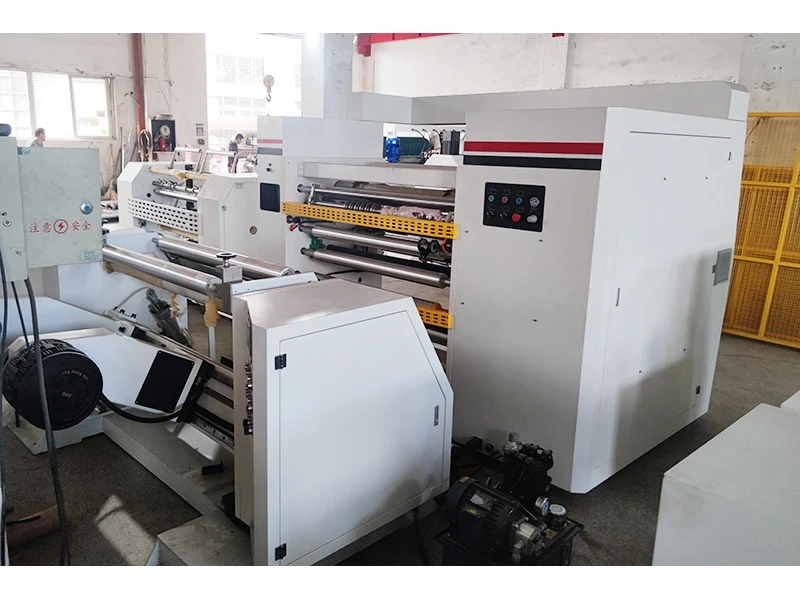
New smart drives turn converting into fast production lines. Adding smart drive systems boosts machine output very well. Upgrading your drive design cuts energy waste daily too. Integrated drive tools speed up product changeovers quickly. These smart upgrades keep your plant profitable always.
Motor and Drive Configurations
AC Servo Drive Systems and Energy Savings
AC servo drive systems supply exact torque now. They control web motion very easily. You save much power over old motor setups. These drives change power use dynamically every second. They optimize every slitting machine for top work.
Speed Synchronization Across Unwind and Rewind
Servo drives lock all shafts in total sync. They match unwind and rewind speeds fast today. This tight control stops loose web slack completely. It protects thin materials during the whole process. Continuous feedback keeps right torque on all cores. This step stops core slipping during slitting work.
Automated Setup Features
💡 Tip: Auto blade tools and laser alignment save time. They end alignment guesswork and protect soft blades.
Automatic Blade Positioning and Alignment
Manual blade setups waste precious plant hours daily. Integrating auto knife tools cuts setup times fast. Digital guides and lasers drop changes under 5 minutes. That step saves over 55 minutes of downtime. This quick setup boosts total slitting work well. It keeps strict cutting accuracy on every run.
Laser Core Alignment and Auto Roll Change Systems
Laser tools show clear light lines along shafts. Operators place cores fast with no guesswork needed. A specialized slitting machine uses auto turret winders. They handle big heavy roll cycles very easily. Auto roll changers drop manual loading delays fast. They lower plant labor costs on every shift. High-speed systems create some commercial trade-offs today. Auto changers add 120% to base costs. Big plants get fast ROI from continuous runs.
Recipe Storage for Fast Product Changeovers
Digital screens store full job settings for operators. You tap saved recipes to set spacing fast. The machine adjusts web speed and pull force. These smart tools stop manual typing errors today. They bring top precision to every slitting run. The slitting machine gets ready in seconds. Smart tools boost factory yield every single day. They maintain high output and precise fast cuts.
Safety Standards and Ergonomic Operations
Modern plants must protect workers. Safe teams work very fast. High safety brings peak output.
Compliance and Operator Protection
Safety rules require strong barriers. You must check all standards.
ANSI OSHA and CE Safety Guarding Rules
Global rules guide machine design. ANSI, OSHA, and CE need guards. Strong covers hide sharp blades. Guards block dangerous nip points. Operators cannot open closed guards. Open doors stop motors fast.
Emergency Stop Devices and Light Curtains
Smart tools build safe spaces. E-stop buttons sit near panels. Big red switches freeze parts. Light curtains project clear beams. Beams watch open loading zones. System stops when beams break.
💡 Tip: Test safety tools every shift. Safe tests protect all workers.
Ergonomic Loading and Maintenance
Smart tools ease worker strain. Good designs speed up loading.
Pneumatic Shaftless Lifting Unwind Stands
Heavy rolls cause team injuries. Special stands lift big rolls. Hydraulic arms pick up rolls. The unwinder aligns rolls fast. Fast lifts stop back pain.
Modular Construction for Easy Maintenance Access
Modular frames simplify repair work. Techs reach motors very fast. Techs swap blades very easily. Easy access cuts down downtime. Teams run the slitting machine safely. Smart paths keep webs moving. Great designs ensure top work. Good routines help every slitting machine.
|
Component Feature |
Operator Benefit |
Safety & Output Impact |
|---|---|---|
|
Interlocked Physical Guards |
Blocks access to sharp tools |
Prevents workplace injuries |
|
Infrared Light Curtains |
Halts operation upon entry |
Protects hands during loading |
|
Shaftless Unwind Arms |
Eliminates manual roll lifting |
Speeds up roll loading cycles |
Evaluating Slitting Machine Manufacturers and TCO
Buying machines takes deep math. Look past the price tags. Checking slitting machine manufacturers helps you find total ownership costs. Smart buyers compare future value with fast savings. Special slitting machine manufacturers like Sanhui Machinery build Models 320 to 3500. A strong builder creates custom setups for your daily needs.
Initial Capital Investment vs Operational ROI
Balance starting machine costs with future plant gains. Good slitting machine manufacturers build setups to speed up paybacks.
Comparing Base Machine Cost with Custom Add-Ons
Basic machine options give plain cutting setups. Yet auto blade tools expand your choices. Smart buyers compare extra tool prices with fast work. A solid slitting supplier shows you needed tools. Any good slitting supplier stops useless tool buying. You pick handy tools without spending too much cash.
Reducing Material Scrap Rates and Energy Costs
New drive systems lower daily power use. Precise web pull stops scrap on fast runs. High cutting accuracy makes great finished rolls always. You grow factory output while dropping waste costs. Strong machine quality keeps your cash safe long term. Wise buyers check energy scores before buying tools.
💡 Tip: Ask your machine builder for power stats during full tests.
Manufacturer Support and Warranty Services
Service after sales saves your big investment. Wise slitting machine manufacturers offer top plans for smooth operations.
|
Service Area |
Key Buyer Considerations |
Sanhui Machinery Standard |
|---|---|---|
|
Warranty Coverage |
Component protection terms |
1-year full machine, 2-year core parts |
|
Technical Assistance |
Response speed for troubleshooting |
24/7 technical support & remote guidance |
|
Global Support |
On-site assistance readiness |
Rapid dispatch within 48 hours |
Evaluating Factory Acceptance Testing Protocols
Ask for full test runs before shipping. A prime builder cuts real items in their plant. Smart buyers check web motion and blade stability. Your buyer list needs clear checks for clean edges.
[ Material Trial Run ] ➔ [ Quality & Speed Inspection ] ➔ [ Factory Sign-Off ]
Spare Parts Availability and Remote Technical Diagnostics
Unplanned stops hurt your plant schedules. Sanhui Machinery gives 24/7 help with quick online advice. Your main slitting supplier keeps key spare parts ready. A global slitting supplier fixes code bugs using web links.
On-Site Installation Commissioning and Training
Top slitting machine manufacturers send skilled techs to your factory. Smart engineers set up machines and teach your team well. Live training guarantees great cuts on day one. Smart buyers select builders who promise real long partnerships.
Smart buyers know their needs first. They buy one-shaft slitting machines. Good buyers check machine parts. They pick smart, auto tools. They calculate all real costs. Top machine makers build systems. These machines improve roll quality. Choosing a good supplier helps. It ensures true cutting accuracy. You get high output quality.
Good machine makers help buyers. They guide you through tests. Wise buyers trust strong makers. They get custom machine setups. Smart buyers get constant help. They use a great maker. Buyers need skilled machine suppliers. Sanhui Machinery is an expert. We are your top maker. We are a trusted maker. Contact our team today! Get your custom machine quote!
FAQ
What materials can you process on a single shaft slitting machine?
Cut plastic film and paper. Cut non-woven fabric now. Aluminum foil cuts easily. Smart buyers pick a slitting machine. It converts big rolls. It makes narrow strips. It gives exact edge control.
💡 Tip: Check material limits first. Verify unwind weights with experts.
How do you determine the right slitting method for your substrate?
Match materials with proper tools. Pick shear or razor blades. Crush tools work well too. Shear blades cut paperboard cleanly. Razor blades process film smoothly. Ask your maker for tests. Test samples before buying.
Why should buyers evaluate closed-loop tension control systems?
Closed-loop systems adjust pull force. Load cells change settings fast. You stop web stretching completely. You avoid ugly paper wrinkles. This prevents roll damage fast. Leading makers add these tools. They guarantee maximum output yield.
What running speed should you expect during daily slitting operations?
Fast models hit top speeds. They reach 800m/min rated speed. Run daily jobs slower. Use 70% of top speed. Use 80% capacity instead. Safe paces save blade edges. They stop broken webs completely.
How does automatic roll changing benefit your factory output?
Auto changes cut idle time. They end manual loading delays. Auto tools add starting costs. Smart buyers gain fast returns. Labor costs drop very quickly. Production stays completely steady.
| Automation Feature | Daily Production Impact | Cost Recovery Speed | | : | : | : | | Auto Slitting Cutter Setup | Cuts changes under 5 mins | Very Fast | | Auto Roll Change | Ends manual loading strain | Rapid ROI |
What warranty and support should you request from a trusted manufacturer?
Top makers give one-year warranties. Core parts get two years. Ensure 24/7 tech help exists. Get fast remote diagnosis tools. This keeps factory uptime high. Top suppliers send parts fast.