What Is a PET Film Slitting Machine and How Does It Work?
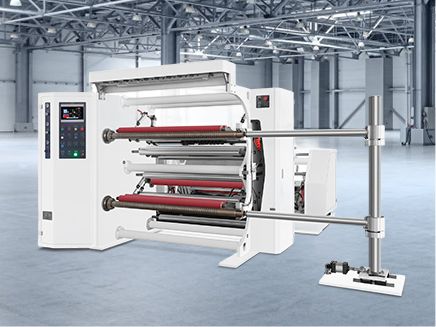
A pet film Slitting Machine is precise equipment. It cuts wide polyester film rolls into narrow rolls. PET material needs special design features to process well. This material is very strong and stiff. You must handle its sensitive surface with care. Fast movement also creates static electricity constantly.
Basic slitting machines cannot handle these special needs. You need machines built for this continuous process:
-
Accurate tension control system
-
Modern web guiding unit
-
Special blade setups
This article shows how the machine works step-by-step. You will learn about key machine parts. We cover knife choices and setup settings. You also learn how to fix defects easily. This helps you get maximum slitting accuracy.
Key Takeaways
-
PET slitting machines slice big plastic rolls. They make small, neat custom widths.
-
Tough PET film needs strong machine frames. Smart sensors help keep processing steady.
-
Five easy steps turn huge rolls into small rolls nicely.
-
Differential friction shafts stop loose winding. They balance pull force on each roll.
-
Shear blades cut thick sheets well. Razor blades cut thin soft films.
-
Static bars remove static electricity. Vacuum systems clean dust off moving film.
-
Proper speed and tension settings prevent film stretching. They stop roll wrinkles and edge burrs.
-
Cut plastic rolls help make food wrappers and screens. They also help make solar panels and medical tools.
Understanding the PET Film Slitting Machine
Sanhui Machinery has over ten years of experience. We build strong slitting tools for global plants. A high-performance pet film slitting machine stays steady. It uses a rigid body frame. A simple PLC touch screen gives you total control.
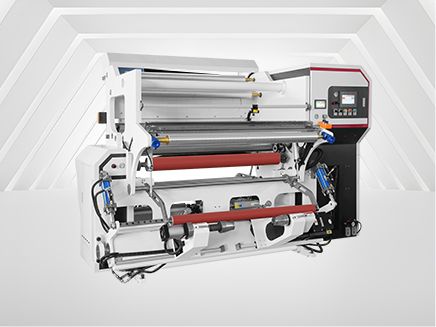
Definition and Industrial Purpose
A pet film slitting machine cuts wide rolls. It makes custom widths for factory needs. Large factories make huge rolls for better efficiency. Packaging tools need smaller material sizes. Converting plants use this tool to feed varied buyers.
Converting Master Rolls into Sub-Rolls
Big plants make wide rolls to save money. Packaging tools cannot load these giant rolls. Slitting machines cut wide sheets into small rolls. This makes shipping much easier for you.
-
Cutting wide rolls boosts early factory output speed.
-
Small slit rolls fit right into packaging tools.
-
Custom widths allow flexible inventory stock control.
-
Small finished rolls make product shipping simple.
High-Precision Roll Edge Alignment
Clean edge control stops web drifting at high speeds. Modern sensors line up the moving sheet. Sanhui machines offer a slitting accuracy of ±0.1mm. This system gets roll end face flatness ≤0.5mm. You can cut narrow widths down to 10mm.
Unique Physical Demands of PET Material
Polyester sheets cause big slitting problems. High strength resists knife cutting. Soft coatings need gentle paths.
High Modulus and Tensile Strength
Tough pet film needs strong machine frames. Bad tension stretches sheets. It creates bad surface flaws on final rolls.
|
Mechanical Subsystem |
Structural Components |
Operational Function |
|---|---|---|
|
Tension Control System |
Tension sensor, floating roller, servo drive motor |
It absorbs quick tension shifts easily. It stops film snap on tough sheets. |
|
Winding System |
Differential slip shaft, pressure roller, swing arm |
It fixes film thickness changes fast. It stops side slipping on roll edges. |
Surface Scratch and Optical Clarity Sensitivity
Clear optical film needs soft sheet handling. Guide rollers must stay super smooth. Smooth roller surfaces stop friction scratches. Clean dust systems keep clear film free of dirt.
Electrostatic Charge Accumulation
Fast film movement makes big static charges. Static attracts flying dust to clean film. High static increases fire dangers fast. You must use static bars to kill charges.
Step-by-Step PET Slitting Process
This continuous cutting process turns big film rolls into narrow rolls through working machine steps. You run five easy steps from loading to unloading.
Unwinding the PET Master Roll
Hydraulic Shaftless Loading
Strong arms lift heavy big rolls right onto the unwinder. You load heavy material easily without hard manual lifting.
Primary Unwind Braking Control
Air brakes hold back the spinning roll. You control sheet release while keeping good web tension.
Web Guiding and Tension Alignment
Optical EPC/LPC Edge Correction
Light sensors watch the moving edge all the time. Smart controllers move guide rollers to fix film position fast.
Closed-Loop Strain Gauge Monitoring
Tension sensors check web pull during fast running. Drive motors change speed right away to stop film stretching.
High-Precision Longitudinal Slitting
Material Pass Through Blade Holders
The film goes through steady blade holders very accurately. Strong bases hold knives still to stop film shaking.
Continuous Linear Shear Cutting
Shear cutting uses hard round knives with scissor motions. Top round blades press bottom rings to cut film smooth.
Differential Rewinding and Trim Disposal
Duplex Differential Shaft Winding
You need steady tension control for narrow rolls. Film thickness changes across wide web sheets. Standard solid shafts create loose or tight rolls. A modern slitter rewinder uses duplex differential shafts.
Differential rings slip on internal air cores. Each small roll gets exact turning force. Air pressure sets this precise force. Output rolls get uniform hardness with no web damage.
Automated Trim Vacuum Extraction
Slitting makes thin edge trims on both sides. You must remove scrap strips right away. Powerful vacuum tubes grab loose edges at the knives.
Fast air streams pull scrap through solid pipes. Fan blades chop long strips into small flakes. This automatic system prevents jams and stays clean.
Essential Hardware Components of a Slitting Machine
Strong parts keep each system accurate. Heavy parts hold film paths steady.
Unwind Stand and Edge Guiding Systems
Unwind stands grip big master rolls. Smart systems line up moving film.
Heavy-Duty Chucks and Lift Arms
Chucks grip the core very tight. Lift arms raise heavy floor rolls. This step saves time and safety.
Ultrasonic and Infrared Edge Sensors
Sensors scan moving film edges constantly. Sensor types fit different material needs.
|
Sensor Technology |
Detection Mechanism |
Suitable Material Applications |
|---|---|---|
|
Fiber-optic Sensors |
Infrared reflection |
Works on clear films, foils, and nonwovens |
|
Infrared (IR) Sensors |
Light beam blockage |
Works on dark films, paper, and metal foils |
|
Ultrasonic Sensors |
Sound wave pulses |
Perfect for clear films and nonwovens |
|
CCD / Line Scan Cameras |
Optical image analysis |
Fine guiding on printed lines and edges |
Closed-Loop Tension Control Hardware
Steady tension stops film from stretching. Quick systems react to changes fast.
Low-Friction Air Cylinder Assemblies
Air cylinders move dancer rolls fast. These parts absorb quick speed shifts.
Real-Time Load Cell Feedback
Sensors hold exact web tension easily:
-
Sensors measure web force constantly.
-
Controllers test signal data fast.
-
Controllers send fixes to brakes.
-
Brakes adjust to changing rolls.
High-Precision Blade Assemblies
Sharp knives make clean roll edges.
Hardened Groove Anvil Rollers
Hard rollers support film under knives. Grooves guide blades for straight cuts.
Pneumatic Shear Blade Holders
Pneumatic holders use top western standards. Strong builds fit old machine spaces easily. Small frames fit standard spots well. Top blades use air to lock fast. Standard holders cut light film quickly. Heavy holders cut thick film well. Good tools ensure clean knife cuts.
Differential Friction Shafts and Lay-On Rollers
Ball-Type Differential Rings
Big film rolls have thick and thin spots.
Solid shafts make some small rolls too loose.
Other small rolls wind up far too tight.
Special ball rings fix this winding problem fast.
Tiny steel balls lock tight inside paper cores.
Friction rings slip on their own inside.
Air pressure pushes keys inside the friction rings.
Each ring changes its own speed right away.
This keeps tension even on every small roll.
Even tension stops film from stretching out bad.
It also keeps final rolls in good shape.
You throw away much less material this way.
Air Cushion Layers fine-tuning Rollers
Fast roll winding traps air inside film layers.
Trapped air forms a slippery cushion inside.
This air layer makes moving rolls turn unstable.
Top rollers push down on the growing roll.
They press out air bubbles while rolling smooth.
These rollers push evenly across the whole roll.
Air cylinders set exact pressure on top rollers.
They clear out air without scratching soft film.
This keeps roll ends flat under half a millimeter.
It stops rolls from sliding out of shape.
You get neat and tight rolls every time.
Blade Technologies for PET Slitter Operations
You must choose the right knife for your machine. Good blades protect weak film edges from damage. You also waste much less costly material.
Shear Slitting Method
Shear slitting works like running scissors. Film passes between top and bottom knives. Round shear blades keep edges very clean. They do not bend on thick film sheets.
Scissor Action Male and Female Knives
Top knives press on bottom knives. This scissor motion cuts tough film easily. The setup makes smooth edges with no burrs.
You pick two main methods for film thickness:
|
PET Substrate Thickness |
Recommended Cutting Method |
Specific Configuration & Application Benefits |
|---|---|---|
|
Thin PET (≤80μm) |
Razor Slitting |
Well-suited for easily cutting lightweight or soft plastic substrates. |
|
Heavier / Rigid PET (50μm–500μm) |
Wrap Shear Slitting |
Material partially wraps around the bottom blade to deliver uniform pressure and superior edge control. |
|
Deformation-Sensitive PET |
Tangential Shear Slitting |
Blades make slight tangential contact to execute clean cuts without distorting fragile materials. |
Ideal Blade Angles for Crisp Edges
You must set exact blade angles and depth. Right angles stop knife wear and film tears. Fine narrow tapes need single-bevel round blades.
-
Single-bevel shapes push film one way. This cuts friction and stops edge curling.
-
Use shear cuts for film over 50 microns. It makes little dust for clean electronics.
Razor Slitting Method
Razor slitting saves money on light film. You set fixed razor blades inside film paths.
Razor-in-Groove Configurations
Razor-in-groove cuts thin soft film best. Moving film over fixed blades cuts stress. This stops film from stretching out bad.
Grooved rollers hold moving film steady at speed:
-
Strong roll support helps film move much faster.
-
It keeps thin film still for tight cuts.
Suitability for Thin PET Substrates
Razors cut thin films up to 23 microns. Razors leave rough edges on thick film. Hard film dulls cheap razor blades fast. Save razor setups for thin soft sheets.
Tungsten Carbide and Hardened Blades
Hard blades last much longer on fast lines. Tough metals stand up to constant heat.
Extended Wear Resistance Features
Carbide knives cut normal plastic film well. Hardened edges last through long factory jobs.
Solid carbide knives cut technical film best. They give high stability for micro-level accuracy.
Minimizing Micro-Dust and Flaking
Dull blades smash film edges instead of cutting. Crushed edges make tiny plastic dust.
Hard tungsten blades stay sharp much longer. Sharp cuts stop dust to keep factories clean.
Critical Parameters in PET Film Slitting Machine Operation
Mastering settings on a pet film slitting machine brings good rolls. Correct force protects thin film surfaces.
Tension Profile Management
Proper pull keeps film strong while you run machines.
Taper Tension Rewind Calibration
Outer layers crush inner core layers. Taper tension drops pull force as rolls grow big.
Taper tension drops pull force to balance inside stress.
Sanhui Machinery builds smart tension systems into every machine. This system stops high force from crushing core tubes. You stop bad roll shapes easily.
Thickness Gauge Variation Compensation
Film sheets have tiny thick spots. Solid shafts press hard on thick areas. Differential shafts change speed for each roll strip fast. This keeps pull even and stops film wrinkles.
Line Speed vs. Frictional Heat
Running speed changes output and edge clean cuts.
Thermal Edge Distortion Prevention
Normal machines run from 200m/min to 400m/min. Fast machines reach 800m/min. Run machines at 70%-80% speed for best output.
High speed creates hot friction heat on knives. Hot heat melts tough pet film edges. Steady speed stops edge heat damage.
Synchronized Knife and Web Speeds
Wrong knife speed drags moving film. Shear knives must match film speed fast. Equal speeds give smooth edges without cracks.
Roll Density and Pressure Fine-Tuning
Removing trapped air makes solid film rolls.
Air Entrapment Elimination
Fast film brings air layers underneath. Trapped air makes bad line flaws during winding.
|
Method |
Operational Mechanism |
Adjustment / Action |
|---|---|---|
|
Contact Winding |
Top rollers push air out at touch points |
Change pressure for thin or thick films |
|
Speed Optimization |
Slow speeds stop air from entering rolls |
Run slower to cut down air layers |
|
Roller Fine-Tuning |
Special roller shakes break air cushions easily |
Set roller shakes to clear trapped air |
Uniform Sub-Roll Hardness Control
Even pressure makes every roll hard and smooth. You set pressure rollers to clear air cushions fast. Good touch stops side slips and keeps edges flat.
Industrial Uses for Slit PET Rolls
Flexible Packaging and Protective Covers
Factories use cut PET material in packaging systems. Food lines need clean PET rolls to block air. You cut wide sheets into narrow rolls easily.
Clean cuts stop edge damage on layered sheets. Straight roll edges help seal packages smoothly. Fast packing machines run narrow rolls without jams.
Display Screens and Electronics
Tech plants need clean PET films for phone screens. You cut clear films carefully to stop scratches. Dust tools keep every roll clean during fast cutting.
Good machines keep clear films bright and clean. Gentle guide parts protect thin film layers. Screen makers need straight roll edges for touch panels.
Solar Panel Back Sheets
Solar builders use strong PET back sheets outdoors. You cut thick PET sheets to handle hot heat. Exact cutting gives right widths for solar modules.
Clean edges stop cracks during panel sealing steps. You supply clean rolls to packaging and solar plants. Even roll hardness speeds up factory production overall.
Medical Diagnostic and Tape Substrates
Doctors need clean plastic film for test strips. Factory tools cut thin plastic layers very cleanly. Machines leave no tiny dust or rough edges.
Sharp knives stop surface scratches to keep film clear. You cut clean rolls into thin sticky tapes easily.
Health products need very high safety standards. Good machines keep dust off sensitive test areas.
Static bars remove electrical charges to protect material. Medical plants make drug patches and liquid bags.
Steady tension stops clear film from stretching out. Clean edges stop peeling during fast package steps.
Smooth roll ends help machines move sticky tape fast. Good cutting protects sensitive chemicals inside soft packages.
You send neat sub-rolls to boost daily factory output. Modern tools align edges well for clean tape unwinding.
Troubleshooting PET Slitting Defects
Running a pet film slitting machine takes care. You can fix film flaws fast.
Eliminating Edge Burrs and Micro-Cracks
Dull knives rip film edges. Check blades to save film quality.
Blade Sharpness Inspection Protocols
Check blade edges before every shift. Sharp knives stop rough dust. Magnifiers help spot dull blade nicks early.
Shear Overlap Depth Calibration
Set knives right for clean cuts. Bad setups ruin film edges fast.
|
Aspect |
Causes / Resolution Details |
|---|---|
|
Causes of Edge Burrs |
• Dull, chipped, or worn blades |
|
Overlap Calibration & Resolution |
• Set blade depth between 0.5mm and 1.5mm |
Preventing Roll Telescoping and Ribbing
Bad roll shapes ruin printing steps. Equal air force stops side slips.
Differential Friction Ring Alignment
Uneven film makes loose inner rolls. Friction rings slip to match pull force. Line rings up with blade paths easily.
Taper Tension Curve Adjustment
High force crushes inner paper cores. Set taper curves to drop pull force automatically. Smart pull control keeps roll ends flat.
Controlling Static and Dust Particles
Fast sheets build big static charges. Static pulls dust onto clean film. Use static bars and vacuums together.
Ionizing Anti-Static Bar Positioning
Put ionizing bars above moving sheets. Bars kill static charges right away. Pick the right system for your factory line:
-
Chemical Anti-Static Sprays: Mix water and alcohol to kill static fast.
-
Airless / Non-Blower Ionizers: Remove static without air blowing on thin film.
-
High-Pressure Air Purge Ionizers: Blow strong air to clear dust and static.
-
Pulse AC/DC Bar-Type Ionizers: Send ion pulses across wide moving film.
Cleanroom HEPA Vacuum Integration
Strong vacuum hoods sit behind knives. HEPA filters pull small dust away. This keeps optical sheets super clean.
A PET film slitting machine turns big rolls small. Strong frames and smart sensors guide the moving sheets. Differential shafts keep accurate control over the film pull. Choosing sharp knives and correct pull stops roll flaws. Fine cuts make clean edges for flexible packages.
Sanhui Machinery builds custom slitting tools for you. As a top maker, we build every tool carefully. Our machines handle PET and other soft sheets well. Call our technical team now to upgrade your plant.
FAQ
What is the maximum running speed of a PET slitting machine?
Standard units reach 200m/min to 400m/min speeds. High-speed units hit 800m/min. Best results happen at 70% to 80% speed.
What slitting accuracy can you achieve on PET film?
Exact engineering gives high accuracy up to ±0.1mm. System keeps roll end flatness within ≤0.5mm. You can cut narrow strips down to 10mm.
Which blade cutting method works best for thin PET films?
Use razor slitting for thin film under 80μm. This method cuts light film without bad bends. Shear blades work better on thick film up to 500μm.
How does automatic closed-loop tension control prevent film wrinkles?
Sensors check web pull continuously during fast runs. The auto controller adjusts brake force right away. Constant tension stops stretching, twisting, and wrinkling.
Can this machinery process materials other than PET film?
Yes, versatile slitters cut many flexible materials easily. Machines cut OPP, PE, PVC, and foil. They also handle paper, non-wovens, and labels.
How do you eliminate static electricity during the slitting process?
Fast motion builds big static charges on film. Position ionizing anti-static bars above the web path. These devices discharge static electricity fast to stop dust.
What warranty coverage protects your equipment investment?
You get a full 1-year machine warranty. Main parts include a 2-year warranty cover. Tech support teams provide remote aid and fast repairs.